


Balancing development with accountability

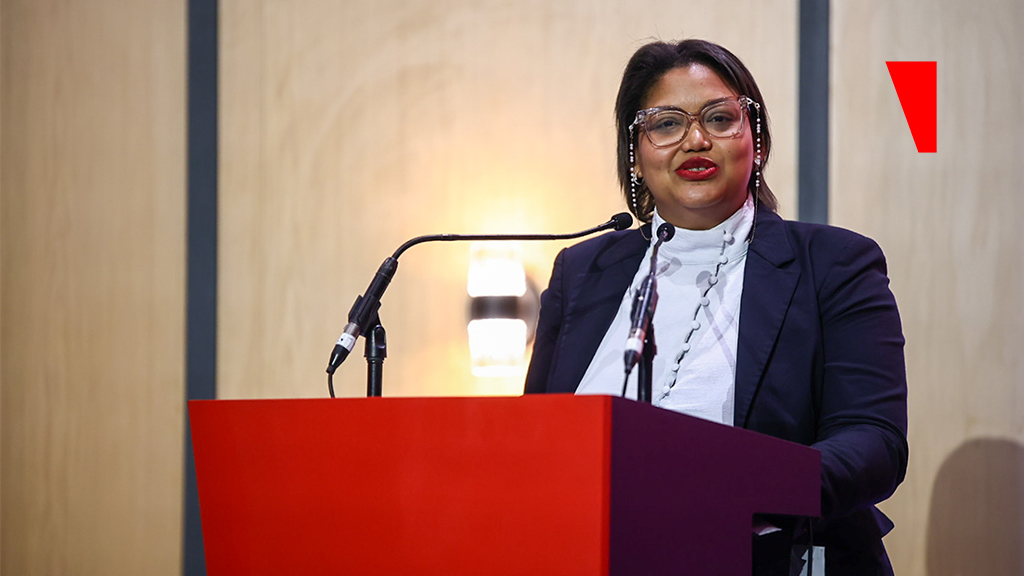
Provincial Minister of Finance for the Western Cape, the Hon. Deidré Baartman opened her keynote with words of welcome – to SiGMA and also to the broad gathering of industry who were in attendance at the SiGMA Africa 2026 conference. A gathering, she noted, was 3,000 strong.
“Events of this size do not happen without reason. They happen when an industry is expanding, when a city has the infrastructure and the capability to host global decision makers and when the economic opportunities are ripe with opportunity.”
“I want to congratulate you for that with representation across the continent and far beyond even the borders of Africa. It speaks to the weight of the conversations that are being held here”, she went on to say.
A closer look at the South African gambling market
South Africa has grown rapidly, recording a gambling turnover of 1.5 trillion rand in the 2024-25 financial year with online activity driving a large share of that growth. Digital betting, esports, fintech payment systems and compliance-focused technologies have reshaped the environment at a rapid pace.
A sector that once looked to physical brick and mortar venues now operates across digital platforms that scale globally. It is a shift that requires a fair but responsive approach, one able to keep up with new tech whilst still remaining protective.
There is a ripple effect from the growth of this industry, she says that extends far beyond operators to a large network of service providers. In the Western Cape in particular, this has created a vast amount of opportunity in multiple sectors – including tourism, entertainment and technology – all of which have natural overlap. It is the strength of this value chain that has made the Western Cape a highly desired location for businesses operating in this space, making the region central to the country’s gaming and gambling journey. Indeed, it has become one of the main drivers of the country’s GGR, she explains.
Growth has been so strong that the Western Cape Gambling and Racing Board recorded collections of approximately 1.7 billion rand in gambling taxes in 2025. Ten years ago this figure sat at 52 million rand. A rise that is reflected in a 16% increase in licence holders and annual sector growth.
So, where do these taxes go? Straight back into the Western Cape government budget.
Early intervention
“Responsible gambling practices, early warning interventions, and stronger public awareness are essential if the sector is to remain sustainable.”
Top of the priority list is reinvestment of revenue back into communities for support services. She underlines that growth must go hand in hand with stronger safeguards. The Western Cape Gambling and Racing Board has been proactive in the implementation of community outreach initiatives, early intervention programmes at schools, and working with licence holders to ensure that the COI is effective and transformational.
She then turned to the operators in the room. What safeguards are you putting in place when it comes to children, she asked. What are the conversations we should be having to ensure access to skills and knowledge happen long before harm becomes an everyday problem.
The rapid expansion of online sports betting
A sustainable industry requires a framework where commercial success does not overshadow the well-being of households. But growth on this scale also places new pressures on institutions responsible for oversight and regulation.
“To ensure that regulation keeps pace with the market, the Western Cape government will allocate more than 25 million rand to strengthen our capacity at our board over the next three financial years. The investment will support the board in collecting more than 3 billion rand in gambling taxes over the same period as the gambling sector continues to grow into its new phase.”
Ahead of the curve
The Honorable Minister also spoke about the need to adapt, with Western Cape Gambling and Racing Board modernising its systems, including looking at AI as an important tool that can help it keep up with the demands of modernising industry – one that increasingly relies on real–time analytics, cybersecurity systems, digital identity verification and cross-border connectivity. These improvements will make it possible to detect irregularities sooner, speed up licencing processes, and ensure fair play across the value chain.
She also spoke of deadlines for regulatory updates – for onboarding stakeholders – a crucial step that will not only make things more efficient but make it easier for individuals to complete licencing requirements.
Looking to the future
“Hosting SiGMA Africa strengthens our competitiveness and reinforces regions in the province, such as Cape Town and Stellenbosch, as natural centres for investment regulation and innovation in this space. We are seeing growing interest from international investors who view South Africa as a gateway to the African digital market. The province offers governance stability, reliable service delivery, responsible fiscal management, and a talent base that continues to attract global companies.
“These are building blocks that underpin long-term economic growth, so I welcome SiGMA’s focus on collaboration between the industry and government. The engagement with policymakers, gaming authorities, and regulators from across the world recognises that the long-term health of the sector depends on transparent, constructive dialogue.”
In conclusion – regulatory frameworks should aim to balance development with accountability.
“Looking ahead, our priorities remain clear. We will continue to strengthen our Western Cape Gambling and Racing board so that it remains equipped to regulate a rapidly evolving industry. We need to make sure that the legislation is more fair, more responsible, and more innovative. We must also confront the risks that come with growth. Illegal gambling, payment fraud, and the misuse of digital platforms undermine both industry and public confidence. Addressing these challenges requires coordinated monitoring systems, partnerships with financial institutions, public education campaigns, and broader commitment from society.”
The Western Cape, she believes, is the right place to have these conversations.
About Alea
Alea is a B2B iGaming platform that lets casino operators access many games and suppliers through a single integration. The company focuses on clear operations, strong performance, and scalable infrastructure to support operators in both established and developing markets.
As the main partner of SiGMA Africa 2026, Alea supports the summit’s goal of encouraging sustainable growth and industry collaboration across Africa. Delegates interested in aggregation and African market expansion can meet the Alea team at Booth 065 in Cape Town.
For more insights on mobile-first game design and other industry topics, see the summit’s full agenda and connect with delegates through SiGMA Match during the Cape Town summit from 03 to 05 March 2026, endorsed by Alea.


