


Counter-Strike 2 team strikes deal with gambling blocking app, Gamban

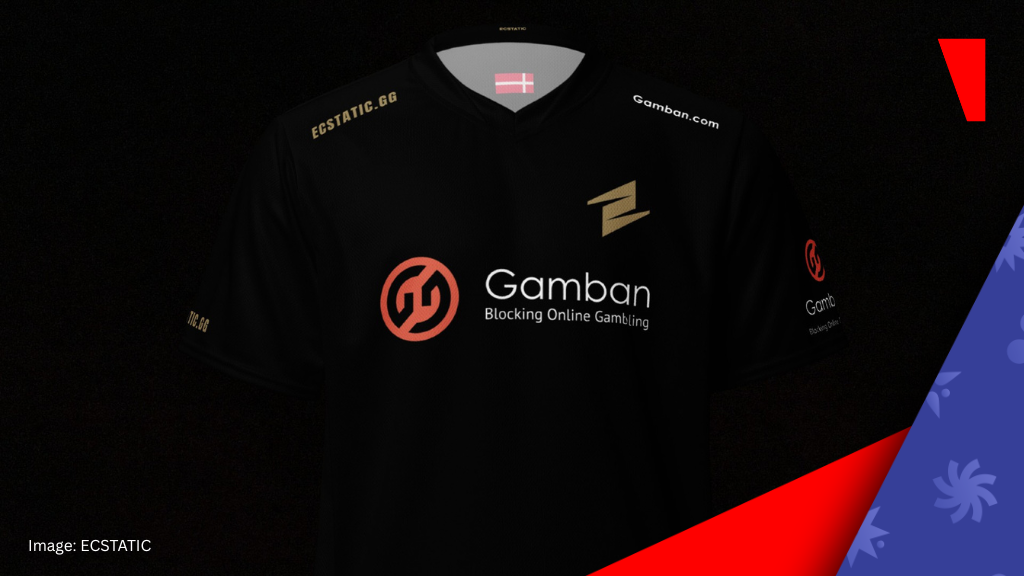
Danish esports organisation ECSTATIC has taken a step few expected in the sponsorship game, unveiling a deal with gambling blocking software provider Gamban. It is the first time an esports team has signed a primary sponsorship agreement with a company whose business is built on preventing gambling, rather than promoting it.
Shifting away from the usual betting deals
Betting sponsors have long been a fixture in Counter-Strike. Two-thirds of the biggest organisations in Europe hold gambling-related deals, while more than 80 percent of the top Counter-Strike 2 teams are backed by betting operators. For many, those partnerships have become a financial lifeline, one of the few reliable revenue streams available to competitive teams.
ECSTATIC’s choice to go in the opposite direction is a statement. The organisation described the Gamban deal as “groundbreaking,” saying it wanted to use the partnership to highlight different ways of approaching sponsorship in esports. For a scene so heavily reliant on betting money, a team publicly rejecting that model sends a deliberate signal about where it sees the industry heading.
Welfare and ESG enter the conversation
The timing of the deal is significant. Across Europe, gambling sponsorships are under growing scrutiny. Spain has already imposed strict advertising restrictions, the Netherlands is weighing further limits, and conversations are active in other jurisdictions about how much exposure gambling brands should have in sports and esports.
ECSTATIC framed the deal around player welfare, posting on X: “Although gambling is heavily engrained in the scene and always has, we aim to prove that success without gambling sponsors is possible – while helping many people along the way.”
It’s a message that lands well at a time when ESG standards are gaining ground in sport. Teams are no longer judged purely on the size of their sponsorship deals but also on the ethical baggage that comes with them, and the reputational risks of linking too closely with gambling are becoming harder to ignore.
Matt Zarb-Cousin, co-founder of Gamban, echoed this theme, saying the company hoped the deal would “serve as a jumping-off point for other companies to invest in esports without exploiting addiction.” In other words, ECSTATIC and Gamban are positioning the agreement as more than a business deal; it is a statement of intent about the kind of sponsors esports should attract.
What it means for operators and teams
For gambling operators, the sponsorship adds another layer of complexity to their already sensitive relationship with esports. Betting firms remain some of the most active sponsors in Counter-Strike, and financially, they are still hard to replace. Yet the demographic profile of esports: younger fans, regulators watching closely, means the risks of overexposure are higher than in many traditional sports.
For ECSTATIC, the move also shows how teams are rethinking their place in the sponsorship game. It is no longer just about sticking a logo on a jersey. Deals now help shape how a team is seen by fans, regulators, and even sponsors from outside the usual gambling bubble.
By taking Gamban on as a primary sponsor, ECSTATIC is signalling that teams can actively participate in the bigger debate around sponsorship ethics, rather than just waiting for regulations to dictate the boundaries.
Watching how the market responds
Whether ECSTATIC’s deal sparks a wider shift remains an open question. For now, the bulk of esports sponsorship income still comes from betting companies, and there is little sign of that changing overnight.
But this partnership plants a marker in the ground. It demonstrates that there are alternative models and that, for teams willing to take a stand, there is value in positioning themselves ahead of regulatory and cultural shifts.
For the gambling industry, the sponsorship is unlikely to shake its dominance in Counter-Strike in the short term. But it does introduce a new dynamic to the conversation, one that regulators, rival teams, and sponsors will be paying attention to.
ECSTATIC’s agreement with Gamban is less about rewriting the rulebook today and more about testing how esports responds to alternative options.


