


The authorities in the Indian state of Goa have approved a new regulatory framework aimed at strengthening oversight of the state’s casino industry, one of the most visible gambling markets in India.
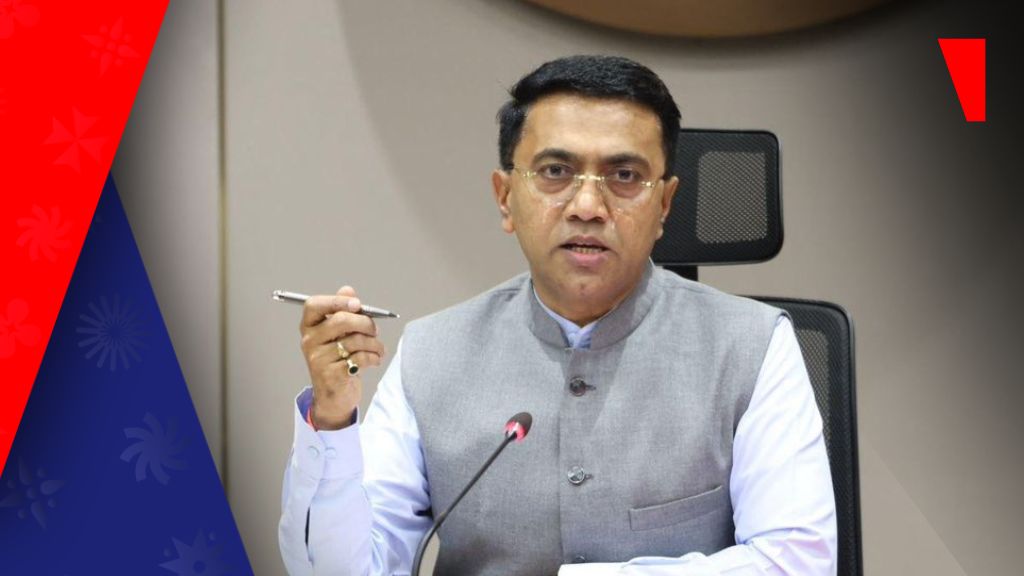
The state government has cleared the Goa Public Gambling Rules, a set of regulations designed to bring tighter monitoring and clearer enforcement powers to casino operations. The rules were approved by Chief Minister Pramod Sawant (as depicted in the featured image) after undergoing review by the state’s law department ahead of the budget session.
Officials said the rules are expected to be formally notified later this month. Once that process is completed, the office of the gaming commissioner will become fully operational and assume responsibility for supervising casino activity across the state.
Sweeping powers for commissioner
Under the new rules, the gaming commissioner will have broad authority over both onshore and offshore casinos in Goa. Officials say this is meant to modernise the state’s regulatory approach and address gaps in oversight that have existed for years.
One of the government’s main concerns involves the lack of reliable monitoring of casino visitors and their financial background. According to the CM, authorities currently have limited ability to track who enters casinos, how much they spend, or where their money originates.
To address this issue, the new rules introduce mandatory client profiling for casino patrons. This process will require casinos to record basic information about visitors so regulators can assess whether gambling funds originate from legitimate sources.
Officials say this measure is meant to improve financial transparency and help authorities identify potentially suspicious transactions or patterns of high-value gambling.
New entry rules for citizens
The regulations also introduce a major procedural change in how visitors enter casinos. Previously, casino operators themselves controlled entry tickets and visitor records, meaning much of the data remained within the private sector.
Under the new rules, the gaming commissioner’s office will issue casino entry tickets directly. By shifting responsibility away from operators, the government aims to establish an independent and verifiable record of visitors entering casino premises.
The commissioner will also maintain daily inventory records of visitor numbers, allowing authorities to analyse activity patterns across the industry. Officials believe this system will make it easier to monitor how busy casinos are and identify unusual spikes in activity.
Regulatory supervision will extend across Goa’s entire casino landscape, including 12 land-based casinos located inside luxury hotels as well as six offshore casino vessels anchored along the state’s coastline.
Focus on compliance
The commissioner will be responsible for supervising casino operations and ensuring that all gaming activities comply with existing gambling laws. This includes monitoring the types of games offered and verifying that operators follow regulatory requirements. The new rules also provide authorities with stronger enforcement powers. If violations are detected, regulators can order the closure of casinos operating within five-star hotels. In more serious cases, officials may seal casino premises found to be in breach of legal or regulatory obligations.
Offshore casinos face similar scrutiny. The gaming commissioner will have the authority to seize casino vessels if operators fail to comply with regulations. Analysts say these expanded powers are necessary because previous regulatory arrangements made enforcement difficult.
These reforms bring a major change towards centralised supervision of Goa’s casino industry, bringing visitor monitoring, compliance enforcement and operational oversight under a single regulatory office.
Manila’s calling and it’s not whispering. From 01 to 03 June 2026, SiGMA Asia returns to the undisputed regional heavyweight. With 16,000 delegates, 3,040 operators, and 250+ speakers under one roof, this isn’t just an expo. It’s ignition!


