


Shaping the future of iGaming support and localisation in Asia

Asia’s iGaming market is growing fast, with a mix of cultures, languages, and levels of digital access shaping the way people play. Social interaction is an important part of gaming, as players often use it to connect with friends and family. Being aware of local customs, player preferences, and communication styles is vital for offering effective support and a smooth gaming experience.
Localisation in Asia is more than just translation. It involves utilising appropriate language, humour, and cultural clues while maintaining a polite tone to create material that feels organic and familiar for local gamers. Due to linguistic, cultural, and customary differences, what appeals to players in one nation might not work in another.
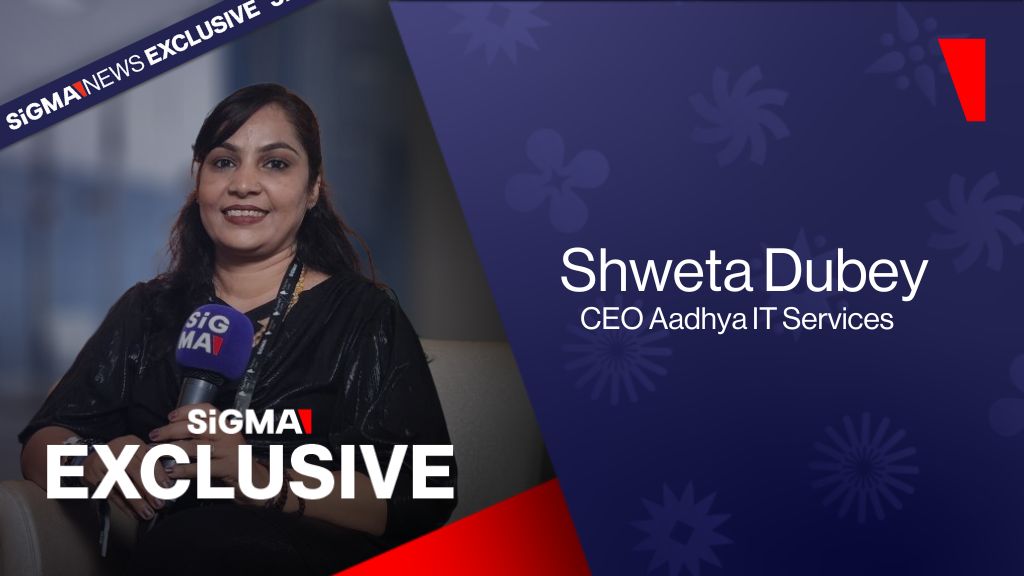
To better understand how player support and communication are evolving in Asia, SiGMA News spoke with Shweta Dubey, Founder and CEO of Aadhya IT Services. She shares her insights on the importance of cultural awareness, localisation, and meeting the expectations of players in this fast-changing region.
SiGMA News: In your experience, how does player support in Asia differ across markets? Are there any notable behavioural or cultural expectations?
Shweta Dubey, Founder and CEO of Aadhya IT Services: Player support in India historically had its own distinct characteristics, largely shaped by the country’s unique cultural nuances and linguistic diversity. Unlike some Western markets that prioritised sheer transactional efficiency, Indian players often valued a more personal connection and empathetic approach. They wanted to feel heard and understood, which built crucial trust. The country’s vast array of languages meant multilingual support wasn’t just a bonus; it was a competitive necessity, as many preferred to communicate in their regional tongue. This required support agents who were not just linguistically proficient but also culturally attuned to avoid misunderstandings.
Digital literacy also varied, leading to a common preference for voice calls or live chat for immediate assistance over emails, especially for frequent payment-related queries. Players often appreciated a “jugaad (lifehack)” mentality from support – a resourceful problem-solving approach. Compared to more formal East Asian markets (e.g., Japan’s extreme politeness and precision), support in India often required a blend of respect and approachability. The high influence of community feedback also meant positive or negative support experiences could spread rapidly, underscoring the role of agents as brand ambassadors.
SiGMA News: How do language and cultural preferences shape the way player support and communication should be designed in multilingual regions like India and Southeast Asia?
Dubey: Language and cultural preferences are absolutely fundamental in shaping effective player support and communication in multilingual regions like India and Southeast Asia. It’s about moving beyond simple translation to transcreation – adapting content so it genuinely resonates with local audiences. This involves using appropriate idioms, humour (where safe), and cultural references, ensuring the tone of communication is perfectly aligned with local expectations for formality and respect. For instance, direct translation of marketing taglines might fall flat or even be misinterpreted if not culturally adapted.
For support, this meant providing services in native languages with agents who understood not just the words but also the nuances of local communication styles. Player support channels also needed to align with local preferences, often prioritising mobile-first communication via push notifications, in-app messages, and highly popular platforms like WhatsApp in India. Furthermore, promotions and in-app content had to be culturally sensitive, timing offers with local festivals and incorporating relevant visuals. By embracing this deeper localisation, brands fostered trust, enhanced clarity, and significantly improved player engagement and satisfaction.
SiGMA News: What localisation strategies have proven most effective for iGaming brands looking to expand in high-growth markets?
Dubey: For iGaming brands eyeing high-growth markets, truly effective localisation goes far beyond just language; it involves deep cultural embedding. The most impactful strategy is hyper-localised content and game offerings. In India, this meant prominently featuring and even developing local variants of Teen Patti, Rummy, and Andar Bahar, while tailoring sportsbooks to cricket and kabaddi. For the Philippines, it focuses on local card games and prevalent sports like basketball. Content, including marketing materials and in-app messages, must be transcreated to resonate culturally, not just translated.
Crucially, seamless integration with local payment methods is non-negotiable. In India, this included UPI and popular e-wallets; in the Philippines, GCash and local bank transfers. Providing multilingual customer support in native languages via preferred local channels (live chat, local phone numbers, WhatsApp) built immense trust. A mobile-first design optimised for varying network speeds and device capabilities was also essential. Finally, hyper-localised marketing, including partnerships with local influencers and robust affiliate networks that understood local SEO nuances, drives organic visibility and conversions in tier-2 and tier-3 markets. All these efforts had to strictly adhere to local regulatory compliance.
SiGMA News: Do you think backend automation like bonus crediting, fraud monitoring, and CRM is underused or misused in some Asian markets? How can operators better leverage these tools?
Dubey: In my experience, backend automation across bonus crediting, fraud monitoring, and Customer Relationship Management (CRM) is often underused or not fully optimised in many Asian iGaming markets. This often stemmed from reliance on legacy systems, a perceived lack of in-house expertise, or a conservative approach to automation that feared losing the “human touch.” However, the potential gains in efficiency and player experience were enormous. Operators could significantly enhance their operations by leveraging automation more intelligently.
For bonus crediting, it was important to move beyond generic offers to segment-based, event-driven triggers. Bonuses could be automated for new players, high-value customers, or dormant accounts based on real-time behaviour. For fraud monitoring, investing heavily in Artificial intelligence (AI) and machine learning models was key. These could analyse vast datasets to detect complex patterns of multi-accounting, bonus abuse, and payment fraud in real-time, automating alerts and immediate actions. In CRM, automation allowed for hyper-personalised communication at scale, delivering tailored messages via preferred channels based on player activity, preferences, and lifecycle stage. This powered automated customer journeys, from onboarding to re-engagement, freeing up human resources for more complex issues and leading to smarter, more proactive player engagement.
SiGMA News: How do loyalty and reward programmes in Asian markets compare with those used in the West? What works best for player retention in this region?
Dubey: Loyalty and reward programmes in Asian markets often differ significantly from their Western counterparts, driven by distinct cultural values and player behaviours. While Western programmes tend to focus heavily on direct monetary value (cashback, clear point-to-cash conversions) and structured VIP tiers for high rollers, Asian markets place a much stronger emphasis on gamification and a visible sense of progress. Players in India, for example, responded exceptionally well to loyalty programmes that felt like a “journey,” with clear tiers, badges, missions, and leaderboards that unlocked new perks and statuses, tapping into a desire for achievement and recognition.
Personalisation is paramount, often more granular than in the West, with rewards highly tailored to individual game preferences, betting patterns, and even cultural background. Social and community elements, such as referral bonuses, also hold significant weight. What works best for player retention in Asia was a blend of robust gamification, deep personalisation powered by data analytics, and a seamless user experience that made earning and redeeming rewards intuitive and integrated with local payment methods. Ultimately, players seek a rewarding experience that extends beyond just monetary wins, valuing progress, recognition, and a personalised connection with the brand.
SiGMA News: How important is real-time data in managing player experience and operational efficiency? And how are tools like Power BI helping operators make smarter decisions?
Dubey: Real-time data is no longer just “important” for iGaming; it is the lifeblood of managing player experience and operational efficiency. In today’s incredibly dynamic market, it’s the difference between reactive problem-solving and proactive, intelligent decision-making. For player experience, real-time data allows for instant personalisation, delivering tailored offers and game recommendations based on a player’s current activity and preferences. It also enables proactive support, identifying players in distress, such as repeated failed transactions, and intervening immediately, often preventing churn.
For operational efficiency, real-time data is critical for dynamic resource allocation, ensuring server capacity scaled precisely with demand. It powers rapid fraud mitigation, detecting suspicious patterns as they emerge and enabling instant countermeasures. Marketing teams can conduct real-time campaign optimisation, adjusting strategies based on live performance data. Tools like Power BI (and similar BI platforms) are central to this, connecting to streaming data and providing live dashboards with key performance indicators (KPIs) that are easy to visualise and drill down into. This democratises data, making insights accessible to various departments, empowering them to make faster, smarter, and more informed decisions across the entire operation.
SiGMA News: What’s the current landscape of SEO and link building for regulated iGaming brands in Asia? How does content localisation improve affiliate performance in tier-2 and tier-3 markets?
Dubey: The landscape of SEO and link building for regulated iGaming brands in Asia is a complex balancing act between global best practices and local regulatory realities. Due to varying legal frameworks, regulatory sensitivity heavily influenced strategies. In many areas, direct SEO for “gambling” terms is risky, prompting a focus on brand protection SEO and, particularly in India, a strong lean towards “skill gaming” keywords. Mobile-first indexing was non-negotiable given Asia’s mobile dominance, demanding lightning-fast site speeds and excellent Core Web Vitals. High-quality content adhering to Google’s E-E-A-T (Experience, Expertise, Authoritativeness, and Trustworthiness) principles is crucial for building trust, especially with clear responsible gaming information.
Link building is challenging, requiring focus on reputable local sources and robust affiliate networks. This is where content localisation dramatically boosts affiliate performance in tier-2 and tier-3 markets. Affiliates creating content in local languages, using local slang and cultural references, can tap into untapped markets where English content fails. This personalised approach leads to better local SEO rankings for long-tail keywords, increased relevance and trust with the audience, and ultimately, significantly higher conversion rates as players engage with content that genuinely resonates with them, addressing their specific needs and cultural context.
SiGMA News: Looking ahead, what backend or support innovations, like AI chat, advanced reporting, or automation, do you believe will shape the future of iGaming in Asia over the next few years?
Dubey: The next few years will see transformative innovations shaping iGaming backend and support in Asia. The most impactful will be hyper-personalised, AI-powered player journeys. Advanced generative AI chatbots will not only answer questions but also proactively offer tailored game recommendations and bonuses based on real-time player behaviour, even detecting sentiment and providing empathetic support. This proactive engagement will extend to AI analysing patterns to predict churn or identify at-risk players, triggering personalised interventions or alerts for human teams.
Furthermore, advanced predictive analytics will evolve beyond current reporting. These systems will not only show past trends but actively predict future events (like traffic surges or fraud attempts) and prescribe optimal actions, allowing operators to dynamically adjust server resources or marketing campaigns. End-to-end automation will move from isolated tasks to full workflow orchestration, enabling automated KYC, dispute pre-resolution, and self-healing backend systems for maximum uptime.
While still emerging, blockchain technology holds promise for enhanced transparency and faster payouts, alongside the rise of voice and multimodal interfaces for intuitive player support. These innovations are critical for scaling operations, navigating diverse markets, and maintaining compliance in Asia’s rapidly evolving iGaming landscape.


