


Indian state blocks Telegram groups promoting illegal bets

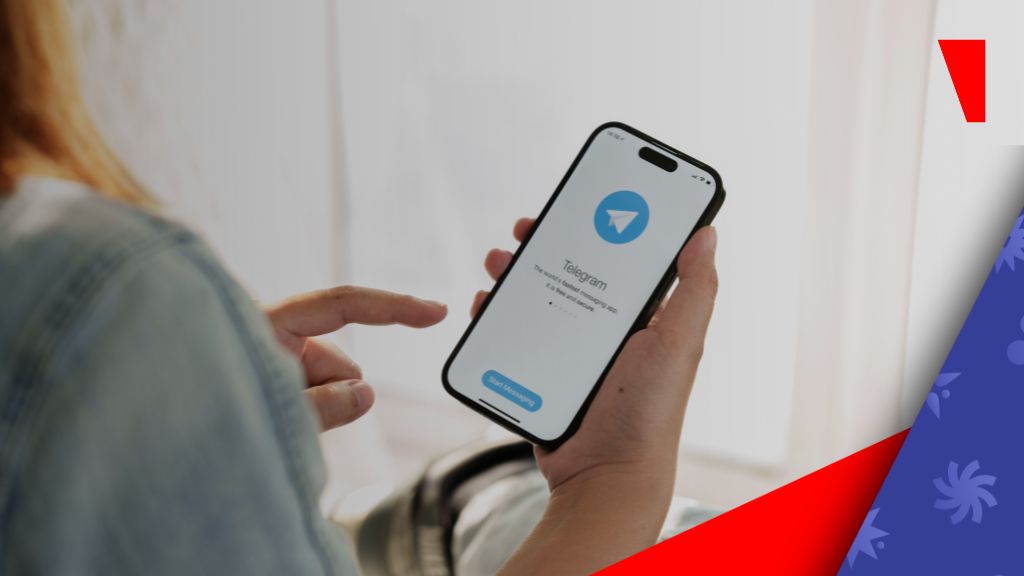
The Tamil Nadu Online Gaming Authority (TNOGA) has stepped up action against illegal online gambling by blocking three Telegram groups and their administrators for promoting unregulated betting activities. The move highlights the growing use of encrypted messaging platforms by offshore gambling operators to reach Indian users. With more than 13,500 members across the blocked groups, the action shows the scale of exposure faced by consumers and the state’s renewed focus on enforcement under its updated real money gaming framework.
Telegram under scrutiny for illegal betting promotions
Telegram has emerged as a major distribution channel for illegal online gambling promotions in India. Authorities say the platform’s large user base, private group features and limited traceability make it attractive for operators running offshore betting services. These groups often share betting links, payment details and promotional offers, especially during major sporting events such as cricket leagues and international tournaments.
Telegram has been identified by law enforcement organisations in a number of states as a major source of gambling marketing. The most recent action in Tamil Nadu involves deactivating the administrators of three groups and preventing access to them. The total membership of 13,518 users demonstrates the rapid expansion of these networks and the extent to which betting content is disseminated via digital platforms.
New real money gaming rules introduced in February 2025
In February 2025, Tamil Nadu introduced the Tamil Nadu Online Gaming Authority Real Money Games Regulations, 2025. These rules set out strict requirements for platforms offering real money gaming services in the state.
The total prohibition of minors is one of the main features. It is forbidden for anyone under the age of eighteen to play real money games. Before granting access, platforms must make sure that users are of legal age.
Another essential criterion is mandatory Know Your Customer (KYC) checks. In addition to one-time password verification connected to their cellphone numbers, users must complete Aadhaar-based authentication. This attempts to stop abuse and enhance traceability.
Playtime, spending and access restrictions
The regulations introduce playtime controls to address excessive gaming. Platforms must display pop-up warnings after one hour of continuous gameplay, followed by additional alerts every 30 minutes.
Spending controls are also required. Players must have the option to set daily, weekly and monthly deposit limits. Each deposit must trigger a reminder showing the user’s total spending.
All real money gaming platforms must display a warning label on login screens stating that online gaming is addictive in nature. Access to platforms must also be blocked between midnight and 5 am to curb prolonged gaming sessions.
Legal background and rising social concerns
Tamil Nadu has previously attempted to regulate online gaming through legislation. The Tamil Nadu Prohibition of Online Gambling and Regulation of Online Games Act, 2022, sought to classify games such as rummy and poker as games of chance and impose a ban. The Madras High Court struck down key provisions of the law, citing constitutional issues related to the distinction between skill and chance. An appeal is currently pending before the Supreme Court of India.
Join the world’s iGaming village with SiGMA’s Top 10 news countdown. Subscribe HERE for weekly updates from the biggest iGaming community in the world and exclusive subscriber-only offers.


