


Kalshi’s Luana Lopes Lara becomes youngest woman billionaire

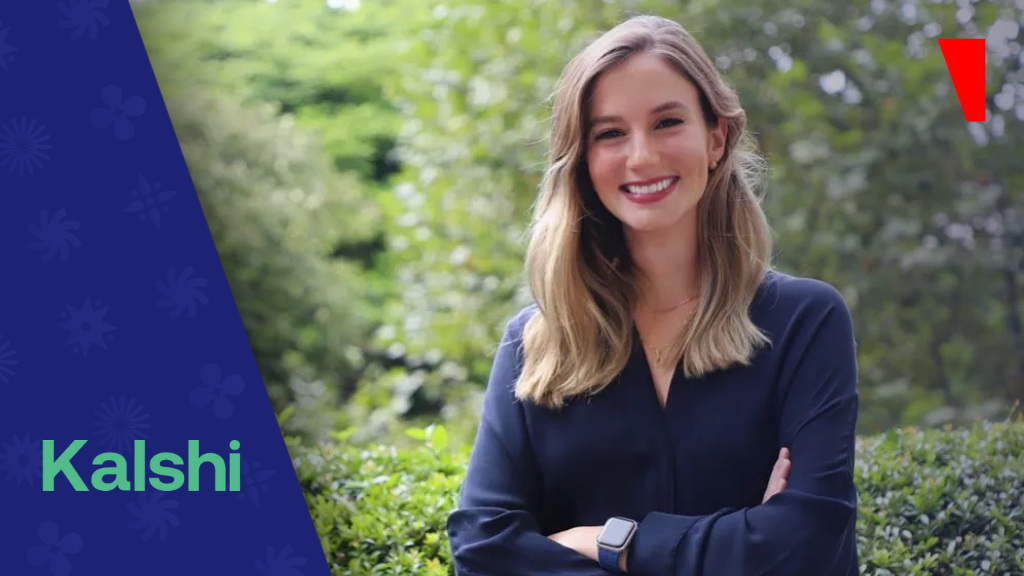
Kalshi co-founder Luana Lopes Lara didn’t inherit her way into a billion; she built it, one regulatory fight and high-stakes valuation at a time. Her story runs from ballet studios to MIT labs, then into a courtroom battle that rewrote what can legally be traded in America. Kalshi’s latest one billion dollar raise simply confirmed the success she had already engineered.
From ballet studios to the trading floor
Lopes Lara grew up training under the Bolshoi system in Brazil, where long rehearsals and strict standards taught endurance the hard way. It was a world measured in repetition and pressure, not spreadsheets. Yet that discipline translated. Instead of pursuing a dance career, she pivoted into engineering and cognitive science at MIT, swapping choreography for code and internships with market figures such as Ray Dalio and Ken Griffin.
That shift pulled her into environments where markets are interpreted, narrated and priced. Later, it would give her the intellectual footing to build something that sits somewhere between finance, forecasting and online culture.
Turning an idea into regulated infrastructure
In 2018, Lopes Lara and co-founder Tarek Mansour launched Kalshi. Their concept was simple to describe but hard to execute: let people trade outcomes of real-world events, from inflation figures to policy decisions.
Plenty of prediction sites have operated around the edges of regulation. Kalshi chose the slower route. The founders spent years working through the federal machinery to secure formal oversight. In 2020, the US Commodity Futures Trading Commission signed off on Kalshi as a designated contract market. It was the first time an event trading exchange had been treated this way, and it neatly separated Kalshi from the offshore players still circling the space.
Legal fights that reshaped the market
Kalshi’s toughest regulatory challenge came through election trading. After years of pushback, a federal judge ruled in 2024 that it could legally offer election markets. The decision reopened a category that had effectively been shut for more than a century.
Liquidity followed. Users wagered more than 500 million dollars on presidential outcomes at peak moments. Notably, Forbes observed that Kalshi’s pricing accurately signalled Donald Trump’s return to the White House. For a niche financial platform, it was a memorably public validation.
The valuation surge that made her a billionaire
The funding round that pushed Lopes Lara into billionaire territory came when Kalshi raised one billion dollars at an eleven billion dollar valuation. Backers included Paradigm, Sequoia, Andreessen Horowitz and Y Combinator.
With roughly twelve percent equity, her net worth crossed 1.3 billion dollars, putting her ahead of peers like Lucy Guo and even Taylor Swift on lists of youngest self-made female billionaires.
Business outlets framed her ascent as part of a broader trend of fintech founders turning infrastructure into outsized personal fortunes.
Why it matters for gambling and finance
Kalshi’s weekly trading volumes have at times crossed one billion dollars, with annual activity now running into the tens of billions. That scale places it within the conversation alongside mid-sized financial exchanges rather than as a quirky side project
Traditional gambling operators are now facing an unfamiliar competitor. Kalshi prices politics, economic trends and certain sports-linked events with financial-style liquidity rather than entertainment stakes. Whether operators see it as competition or convergence, the shift is difficult to ignore.
Why this is more than a billionaire story
Becoming a billionaire is a headline. The more interesting bit is that an idea many previously dismissed now carries institutional backing. Prediction markets have moved from the fringes into a space where regulators, investors and users treat them as legitimate tools. That shift did not happen by accident. It comes after years of legal argument, infrastructure building and the slow work of convincing sceptical counterparts that event pricing belongs in regulated finance.
Join the world’s biggest iGaming community with SiGMA’s Top 10 News countdown. Subscribe HERE for weekly updates, insider insights, and exclusive subscriber-only offers.


