


New Zealand gambling bill faces pushback from sports groups

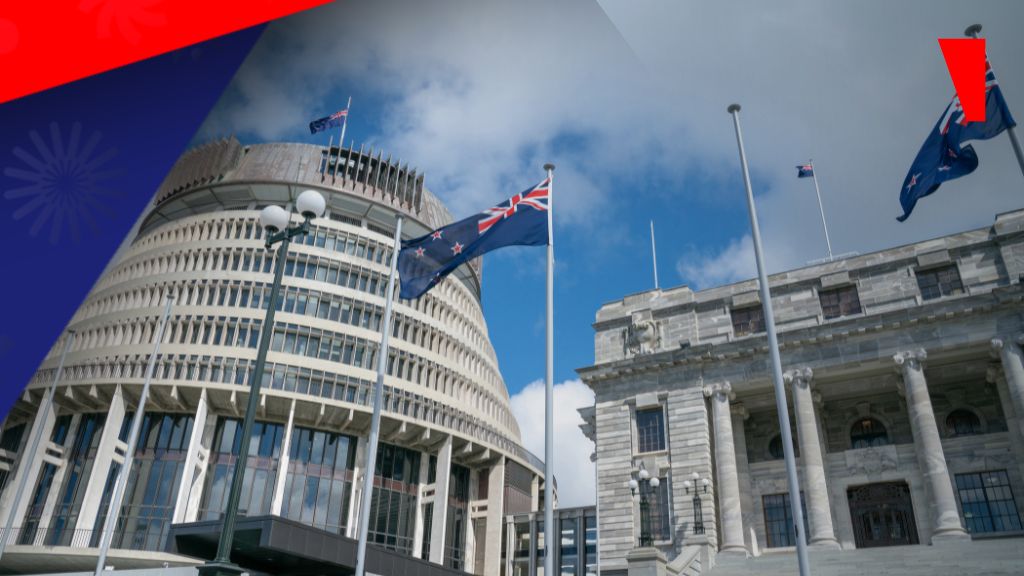
The New Zealand Government’s proposed Online Casino Gambling Bill has received opposition from over 50 sports organisations. They argue that the legislation may reduce funding available for local sports programmes. The central issue is whether online gambling can be regulated without affecting financial support for regional sporting activities.
Overview of the proposed bill
The Online Casino Gambling Bill, introduced in July by Internal Affairs Minister Brooke van Velden, proposes allowing up to 15 offshore online casino operators to apply for licences in New Zealand. Supporters of the bill state that it aims to regulate the currently unregulated online gambling market, implement consumer protection measures, and generate tax revenue. As part of the proposal, NZD 81 million ($47.48 million) has been allocated for gambling harm prevention initiatives, according to The New Zealand Herald.
Funding from pokie machines
Pokie machines in pubs and clubs operate under a system where a portion of profits is distributed to the community through grants. These grants generate approximately NZD 170 million ($99.64 million) each year, supporting sports programmes, local projects, health services, and arts initiatives. Funding from pokies contributes to basic needs such as equipment for junior teams and maintenance of sports facilities in smaller towns and clubs.
Why sporting groups are opposing the bill?
Martin Snedden, Chair of Cycling New Zealand, has stated that the bill could disrupt a long-standing arrangement where gambling is accepted due to its financial contributions to community organisations. He believes that allowing online casinos without similar obligations may reduce funding for local sports clubs. New Zealand’s gambling laws have traditionally involved public acceptance in exchange for community reinvestment, and the bill alters that framework.
If licensed online casinos are not obligated to contribute to community funding, sports organisations may face a significant reduction in financial support. At the same time, rising operational costs, limited council funding, and declining sponsorships are putting additional pressure on many local clubs.
Academic and expert opinions
According to Blake Bennett, a lecturer at the University of Auckland, the proposed bill would put additional pressure on neighborhood organisations that already struggle to find and keep volunteers. He points out that fewer funds would force volunteer-run clubs to close, which would disrupt social relationships and widen the gap between communities with higher and lower incomes.
Across New Zealand, Sport Manawatū CEO Kelly Shanks estimates the region could lose NZD 5 million (2.93 million) in pokie funding, affecting programmes that support youth participation in sport. Urban areas may be able to offset funding losses through sponsorships, but rural communities are likely to face greater challenges.
Minister van Velden has stated that the bill is intended to move users away from unregulated offshore gambling sites to a monitored system. The government has indicated that tax revenue from licensed operators will be used to support gambling harm prevention.
Public consultation and next steps
Public submissions on the bill closed on 17 August 2025, and hearings are scheduled to begin on 8 September 2025. Sports organisations are advocating for amendments to the legislation to ensure continued funding for community programmes.


