
UK finance minister Reeves under pressure over gambling tax fallout

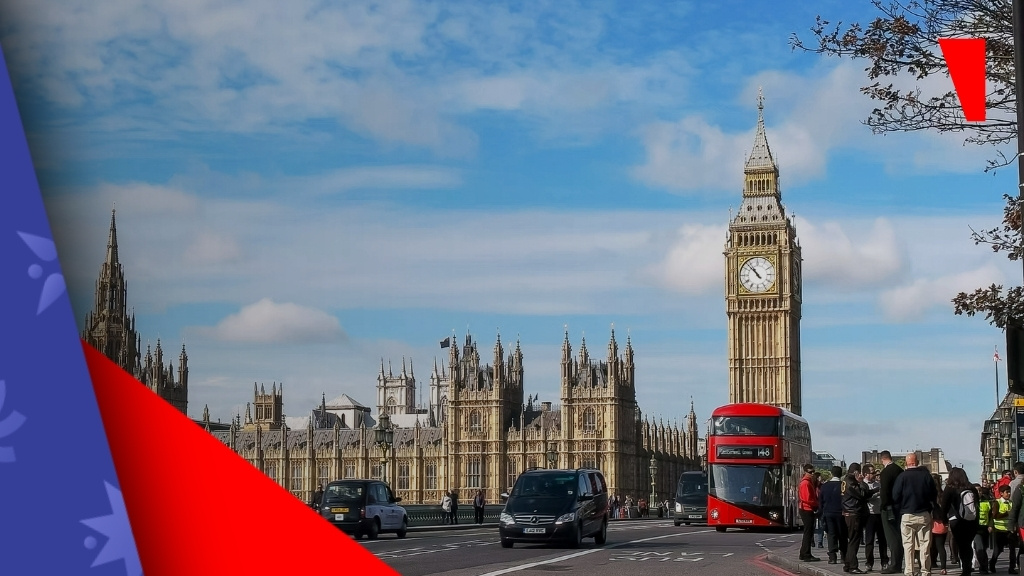
Chancellor Rachel Reeves, the UK’s finance minister, is facing renewed pressure over her gambling tax increases after documents and company disclosures suggested ministers were warned the policy could cost jobs, shrink the regulated market and push more betting activity into illegal channels, but chose to ignore the warnings.
The controversy has gathered pace after reports that officials raised concerns before the measures were finalised, while major operators have since pointed to steep financial hits from the changes. The row now threatens to become a wider argument about whether the Treasury misjudged both the economic and market consequences of one of the most aggressive tax increases imposed on the sector in recent years.
Warnings before the Budget
According to The Sun, Treasury officials had been warned that higher gaming taxes would not raise as much money as expected and could instead fuel black market betting and force regulated operators to close. Analysis of Freedom of Information material by the newspaper showed the Department for Culture, Media and Sport told the Treasury before November’s Budget that projections promoted by campaigners for a tougher tax regime were unrealistic, and that the policy would cost jobs and shift customers away from licensed firms.
Under the changes, remote online gaming duty was set to rise from 21% to 40%, while online sports betting, excluding horse racing, was set to increase from 15% to 25%. These rates will come fully into effect in April 2026, with the rate for horse racing betting scheduled for 2027.
That settlement was sold by ministers as a way to raise revenue while preserving special treatment for racing. But critics inside and outside the industry argue the horse racing carve-out does little to soften the broader blow to bookmakers and online operators that fund sponsorships, levy payments and wider sporting partnerships.
Concerns raised before the Budget are now being largely reflected in company results and strategic decisions. Operators are not merely warning of future strain; several are already reorganising around the new tax burden.
Operators count the cost
Entain, the owner of Ladbrokes and Coral, said this week that UK tax changes were a major factor behind a widening annual loss. The company posted a post-tax loss of £681m for 2025, with a £488m impairment charge linked to the tax changes announced in Reeves’s Budget. Entain still generated annual revenues of £5.26bn, up 3% year on year, but argued that the fiscal changes were reshaping the economics of the UK market.
Entain’s own annual results showed a net loss after tax of £680.5m, alongside underlying operating profit of £1.16bn, slightly ahead of expectations. The group said the UK tax changes are likely to add around £200m in annual costs, though it plans to offset part of that through cost savings, greater use of AI tools and lower marketing and promotional spending.
Chief executive Stella David made clear the company believes scale will determine who copes best. According to GB News, she said smaller operators would struggle to absorb the increases, while larger groups such as Entain were better placed to take market share.
That points to another uncomfortable implication for ministers. Rather than simply raising money from a stable sector, the tax increases may accelerate consolidation, squeezing mid-sized and weaker firms while strengthening the biggest international groups.
Evoke, the owner of William Hill and 888, has already offered an even starker warning. In January, the company withdrew its 2026 outlook, saying the UK tax shock had forced a strategic rethink. It estimated the changes would add £125m to £135m to its annual tax bill once fully phased in, with around £80m of the impact landing in 2026 alone. In December, it also began exploring options, including a sale or break-up of the business after the Budget upended its plans.
Industry warns of wider fallout
Industry groups have argued for months that higher duties would reduce investment, threaten jobs and encourage migration to unlicensed sites, where consumer protections are weaker.
The Betting and Gaming Council has said the package could put nearly 17,000 jobs at risk and shift billions of pounds in stakes to offshore operators.
The question now is whether the government stands by the policy unchanged or comes under pressure to revisit it before the full increases take effect. Reeves may still argue that tougher taxation of remote gambling is justified on public policy grounds.
Stay ahead of iGaming’s biggest stories with SiGMA’s Top 10 News countdown. The world’s biggest iGaming community brings you weekly insights and subscriber-only offers. Join HERE today.


