



On 4 March, as part of the SiGMA Africa 2026 conference in Cape Town, a panel titled “Responsible marketing, youth protection and the limits of creativity” took place. The discussion focused on the most sensitive pressure points — red lines for advertising, age-gating, and how the industry can remain visible in the media without shifting risk onto younger audiences. More in our report.
SiGMA Africa 2026 is endorsed by Alea
Who took part in the discussion
- Lombo Mfande (moderator) is a Director at Bet Chats. He focuses on responsible gambling, youth protection and reducing risks for vulnerable groups. Through Bet Chats, he is developing an educational platform centred on informed choice, risk awareness and mental wellbeing.
- Moruntshi Kemorwale is CEO of the Gambling Authority of Botswana. He focuses on strengthening transparency and shaping modern regulatory standards that support the sustainable development of Botswana’s gambling sector, aligned with Africa Agenda 2063 and the Sustainable Development Goals.
- Obakeng Sesane is Acting CEO of the Free State Gambling, Liquor and Tourism Authority. With extensive experience in finance and audit, Sesane promotes an approach in which effective oversight is combined with transparency and resilient administrative processes.
- Nnanna Chigozie Ewuzie is Compliance Manager at 1xBet Nigeria. His work focuses on implementing practical user-protection mechanisms and increasing trust across the online gaming ecosystem.
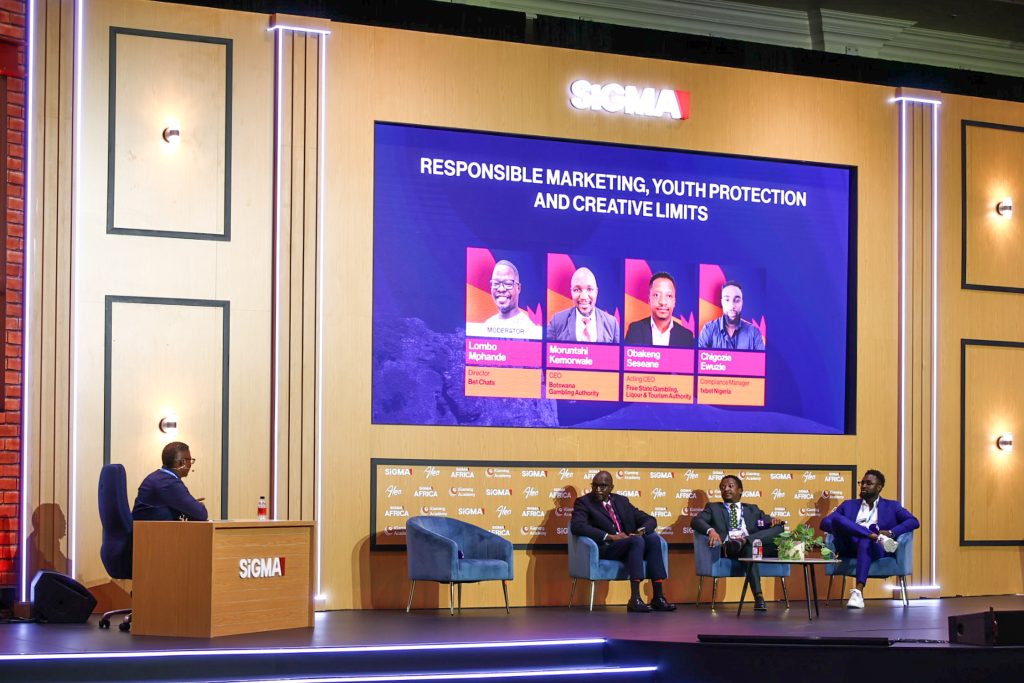
Where regulators draw the red lines
The discussion opened with a simple but firm framing: the market is growing, and common standards for promotion and age control are no longer a “nice to have” – they are becoming a condition for sustainable operation. Moderator Lombo Mfande put the question bluntly: which advertising restrictions do regulators now view as the strictest when youth audiences could be reached, and how are companies adapting while staying relevant?
The panellists quickly moved to a practical criterion – the choice of faces and channels. The conversation soon focused on influencers as a high-risk area: the issue is less about the format itself and more about who is speaking and which audience they reach.
Where risk starts
A key marker in the discussion was who actually reached serves. From Botswana’s perspective, voiced by Moruntshi Kemorwale, it is critical to exclude influencers whose core audience falls below the 21+ age threshold. Kemorwale added another filter: campaigns should not be associated with people who regularly appear in youth programming. That makes it essential to manage who is speaking, where they are speaking, and who the message is intended for.
“You cannot just ban it”
The discussion then shifted to a more realistic scenario: even if the regulatory framework is still being refined, the market cannot simply pause the media environment. Obakeng Sesane framed this through an ecosystem lens: while rules are being finalised, responsibility is still shared across regulators, operators and other stakeholders who shape audience behaviour.
He noted that advertising surrounds people not only online – it reaches them at airports, on roads, on TV and across digital channels. As a result, the solution inevitably involves multiple actors. The panel effectively captured a compromise: the goal is not a blanket ban, but controlling the environment and minimising harm while preserving the ability to operate within defined requirements.

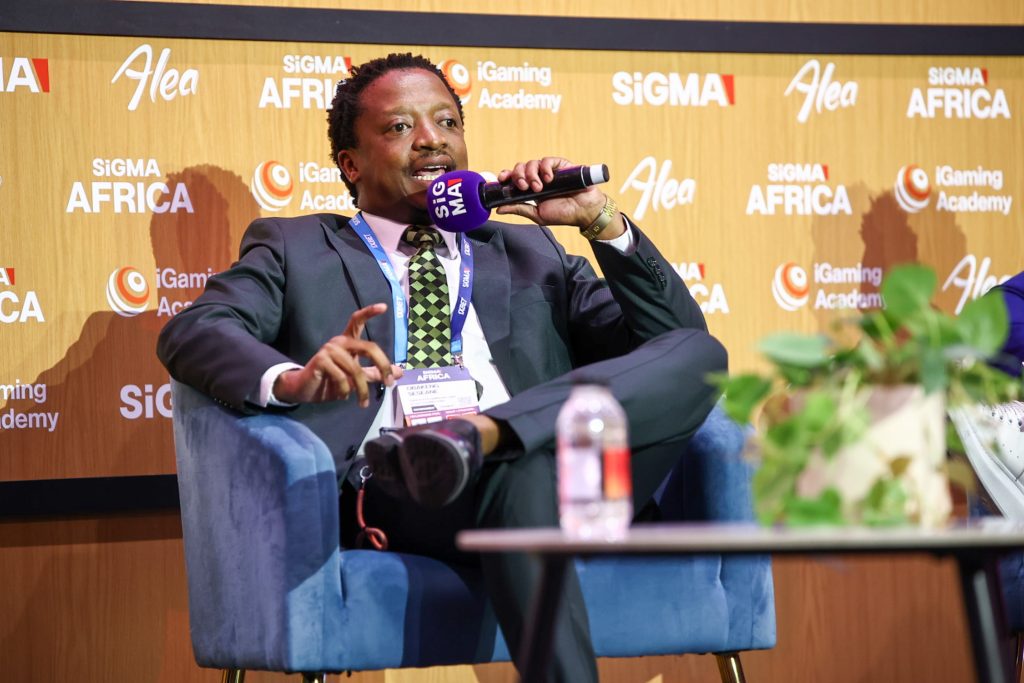
When advertising starts speaking to children
The moderator then asked the sharpest question of the session: is it possible to run bold marketing without reaching youth audiences, or is the conflict built into the mechanics of reach itself? This is where the panel’s toughest line came from Chigozie Ewuzi. He argued the boundary is not defined by genre or channel.
“The clearest red line is when operators run advertisements that appeal more to children than to adults. That is an absolute red line”
Any campaign becomes ethically indefensible the moment it speaks to children rather than adults.
Gambling as income
Why are bans alone not enough? Ewuzi described the Nigerian reality as a problem of expectations: a significant share of the audience treats participation not as entertainment, but as a way to make money. In that context, even neutral advertising can push vulnerable groups into risky behaviour, because the promise of a “win” is interpreted as a promise of income.
“In Nigeria, I would say that 70% of those who gamble today do so to make money, rather than just for fun or entertainment”
That is why some operators, he suggested, link their efforts less to loud campaigns and more to educational and community-led formats.
Age-gating and AI tools
The discussion naturally moved to infrastructure: if the red lines are clear, how are they enforced in practice — especially online? The moderator directly connected responsible advertising to age verification and more targeted campaigns.
One point was that the market needs to invest more in tools that prevent content from being shown to minors. But panellists also raised a critical view: the technologies exist, yet they are not being used to full capacity. Examples cited included facial recognition and behavioural-pattern analysis – approaches that can identify minors and risk scenarios. In practice, however, these tools are either not fully implemented or not used at all.

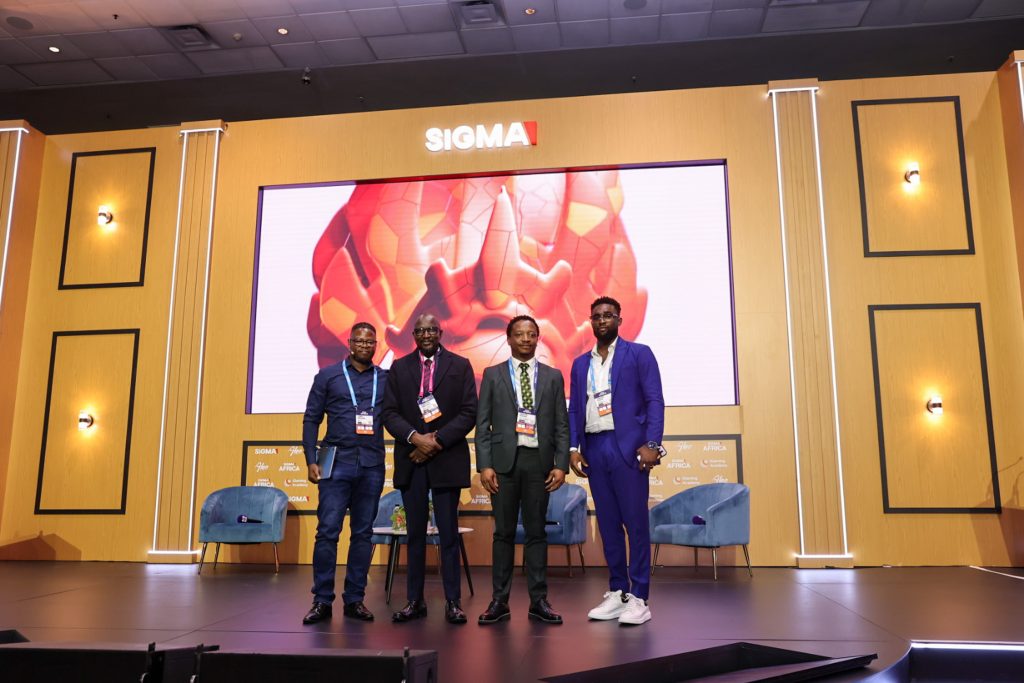
Botswana’s model: an 80/20 split
In the closing segment, the panel returned to what works in practice. For Botswana, the priority is not enforcement-first measures, but systematic education supported by regular research that informs policy and practice.
“80% of our efforts are deployed towards education and awareness. Enforcement accounts for the remaining 20%, as we believe that empowering consumers is more effective than simply chasing the problem”
The premise is that an informed consumer is more resilient to risk than a market that keeps trying to solve harm after the fact.
Takeaway: influencers are not going away
Closing the discussion, speakers agreed on a practical conclusion: social platforms and influencers are not disappearing. The task is not to fight them, but to pivot towards responsibility and align messaging.
“We cannot wish social media influencers away. Instead, we must change our approach and use these very same people to convey a positive message of responsibility. Our messaging must be consistent”
The point is not only who is chosen, but also consistency: what regulators require and explain publicly should be echoed by operators and media in the same language and with the same meaning.
About Alea
Alea is an iGaming platform that helps casino operators bring content and providers into a single ecosystem through one integration. The company focuses on transparency and technological resilience, building infrastructure suited both to major markets and to regions where the industry is still gaining momentum. Africa currently holds a special place in Alea’s strategy.
As the general partner of SiGMA Africa 2026, Alea supports the summit’s goal of building a sustainable ecosystem and strengthening industry ties across the continent. Delegates interested in discussing aggregation and opportunities in Africa can meet the Alea team at stand 065.
Brazil’s not waiting, and neither should you. BiS SiGMA South America, 06–09 April 2026, brings 18,500 delegates, 250+ sponsors to LatAm’s gaming capital. São Paulo’s bringing more sizzle than a beachside samba. Get in early or get left behind.


