
South Dakota lawmakers move to legalise online sports betting


Sports betting in South Dakota, legalised in 2020, is currently restricted to in‑person wagers at casinos in Deadwood and two tribal venues. Lawmakers are now seeking to broaden access by introducing online wagering across the state. Senate Joint Resolution 504 (SJR 504), sponsored by Senator Casey Crabtree and Representative Greg Jamison, proposes a constitutional amendment to permit digital betting. If passed by the Legislature, the measure would appear on the November 2026 ballot, leaving the decision to South Dakota voters.
Proposal behind SJR 504
SJR 504, sponsored by Senator Casey Crabtree and Representative Greg Jamison, proposes a constitutional amendment to allow online sports betting in South Dakota. If passed by the Legislature, the measure would go to voters on the November 2026 ballot. As the state constitution regulates gambling, any expansion requires voter approval, making the process longer but dependent on public decision.
SJR 504 would expand sports betting in South Dakota by allowing wagers to be placed online from anywhere in the state. Online operators would need to partner with existing land‑based casinos, and all servers would be required to be located within Deadwood, keeping the city central to betting operations.
SJR 504 still faces obstacles, but it has major momentum thanks to the support of several Republican senators. On 23 January, the proposal was first read and then sent to the Senate Taxation Committee for review. Supporters remain cautious, as passage is uncertain after a similar bill failed in the House in 2023.
Tax revenue and property tax relief
SJR 504 proposes that 90 percent of tax revenue from online sports betting be directed towards property tax relief. With property taxes totalling $1.7 billion in South Dakota in 2024, even a modest reduction could ease the burden on homeowners and farmers. Lawmakers are focusing on this link because property taxes remain a central issue for residents.
In South Dakota, wagers made at Deadwood and tribal casinos are subject to a 9 percent tax on retail sports betting. Over $3.5 million in taxes have been collected by the state since its inception in 2021, including $925,477 in FY2025. Although SR 504 does not specify a tax rate for internet gambling, wider access could result in higher total revenue.
Tribal gaming and online sports betting
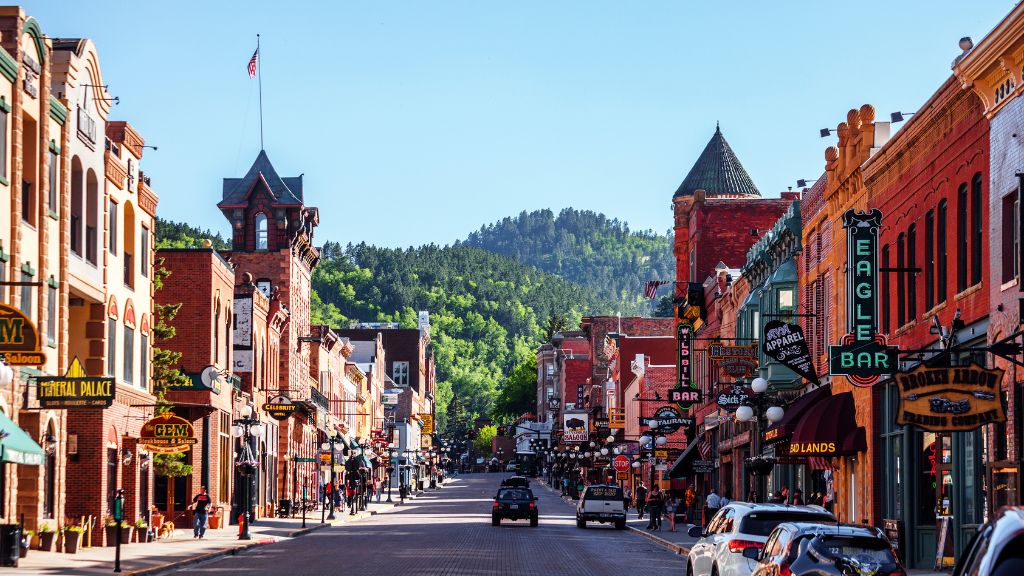
Under SJR 504, Deadwood would continue to be a major hub for sports betting, with server requirements maintaining activities in the city. While retail betting revenue will continue to support local preservation projects, the strategy aims to strike a balance between its historic role and the move towards online wagering.
Tribal casinos play an important role in South Dakota’s gaming landscape, with current agreements allowing retail sports betting at select venues. Under SJR 504, online partnerships could create new revenue opportunities while encouraging closer collaboration between tribal and state gaming operations.
South Dakota’s debate over online sports betting mirrors discussions in other states. Alabama is considering a constitutional amendment to permit lottery, casinos, and sports wagering, while more than half of US states already allow online betting. The broader trend highlights the importance of clear regulation and transparent use of revenue.
What happens next
SJR 504 must be adopted by both houses of the Legislature before it can be placed on the ballot in November 2026. Voters would have the final say, as gaming expansion requires a constitutional amendment. Campaigning and public education initiatives would follow in the run‑up to the election if the measure is approved.
Be part of the action! Join the world’s biggest iGaming community with SiGMA’s Top 10 News countdown. Subscribe HERE for weekly updates, insider insights, and exclusive subscriber-only offers.


