

Visa-free access for Chinese fuels South Korea’s casino boom


South Korea is set to benefit from a sharp rise in tourism with the launch of a temporary visa-free entry policy for Chinese travellers. Starting 29 September, Chinese tour groups of three or more people can enter South Korea without a visa and stay for up to 15 days. The policy runs until 30 June 2026 and is designed to revive key sectors such as casinos, retail, and hospitality that depend heavily on Chinese visitors.
Driving recovery in visitor numbers
China has long been South Korea’s largest source of international tourists. According to the Korea Tourism Organisation (KTO), 2.54 million Chinese visitors came to South Korea in the first half of 2025, reaching 90 percent of pre-pandemic levels. The visa-free scheme is expected to push arrivals even higher, starting with the October Golden Week holiday, one of the busiest travel periods in China. The move is expected to accelerate the full recovery of inbound tourism.
Casinos expect stronger footfall
South Korea’s foreigner-only casinos are among the biggest winners of the new policy. These venues have historically relied on Chinese visitors, who make up a significant portion of their customer base.
- Jeju Dream Tower, operated by Lotte Tour Development, is offering 10 percent discounts, alongside dining and retail perks. Around 70 percent of its hotel guests are foreigners, with Chinese travellers accounting for 80 percent of that share ahead of Golden Week.
- Jeju Shinhwa World is giving free theme-park entry to tour groups through 2025, designed to package entertainment with stays and leisure activities.
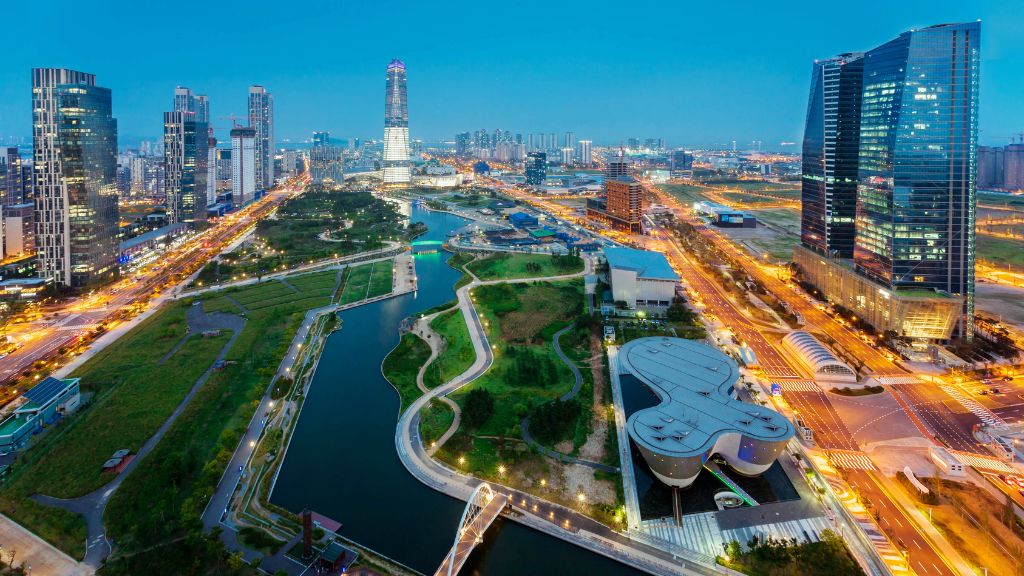
- On the mainland, INSPIRE Entertainment Resort has introduced a WeChat Mini Program to streamline booking, digital payments, and access to concerts at INSPIRE Arena.
- Grand Korea Leisure, operator of Seven Luck casinos, is combining its 20th anniversary campaigns with tourism promotions.
Boost for retail and duty-free
Retailers are preparing for a surge in Chinese shopping tourism. Duty-free giants Lotte, Shilla, and Shinsegae are tailoring product lines toward Chinese-preferred brands and offering digital payment discounts of RMB 30–40 ($4.21- 5.61) in late September and early October.
With group visitors historically making up a large portion of duty-free sales, the visa waiver is expected to significantly boost retail recovery.
Travel agencies and hotels gear up
Chinese agencies are already selling “visa-free first group” packages for the National Day holiday, featuring cultural experiences such as hanbok walks at Gyeongbokgung Palace and tours in Gangwon Province.
Hotels are offering group rates and mobile payment perks. Airlines are expanding group packages combining Seoul and Jeju, which are popular for short cultural and leisure stays.
Strengthening tourism ahead of global events
The policy comes ahead of the Asia-Pacific Economic Cooperation (APEC) summit in Gyeongju in late October. Government officials believe the visa-free measure will not only lift inbound numbers but also highlight South Korea’s openness to international tourism.
Challenges remain, such as high hotel prices and evolving travel behaviours among Chinese visitors, who are spending less on bulk shopping and more on cultural and lifestyle activities. Even so, industry operators expect the visa waiver to bring a broad boost across casinos, retail, airlines, and hotels.
Visa policy for China
South Korea announced in August that it will allow visa-free entry for Chinese tourist groups starting 29 September 2025, with the programme running until June 2026. The temporary measure, confirmed by the Ministry of Culture, Sports and Tourism on 6 August, is part of a broader strategy to revitalise the country’s tourism sector and stimulate the economy ahead of a major regional summit. The tourism ministry said the measure would help support the domestic economy amid a steady recovery in foreign visitor numbers.
Chinese travellers remain central to South Korea’s tourism industry. In 2024, they accounted for nearly 28 percent of all foreign arrivals, making them the largest visitor group. Their importance extends to the country’s casino sector, where 16 of South Korea’s 17 licensed casinos cater exclusively to foreigners. These venues depend heavily on international traffic, and high-spending Chinese gamblers have been key to supporting revenues.
Join the world’s iGaming village with SiGMA’s Top 10 news countdown. Subscribe HERE for weekly updates from the biggest iGaming community in the world and exclusive subscriber-only offers.


