


Washington considers bill to ease sports betting rules

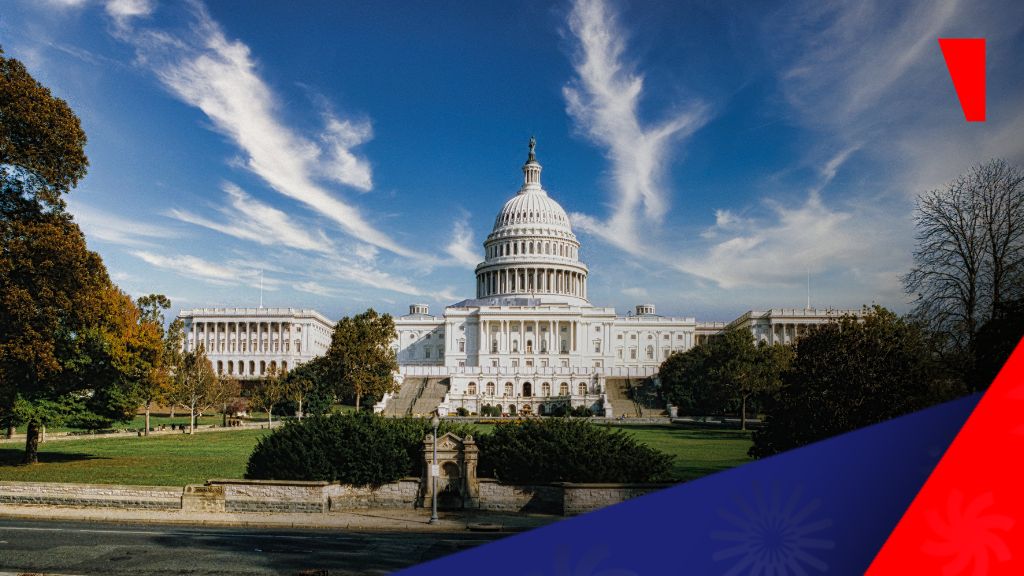
Washington maintains some of the nation’s strictest sports betting laws, limiting wagers to tribal casinos under state-tribal agreements. Washington forbids statewide access and requires that wagers be made in person on tribal territories, in contrast to the majority of states that allow more widespread mobile betting. A bill that could loosen these limits is currently being considered by lawmakers; it may make adjustments to mobile wagering, tribal alliances, and college sports betting.
Committee hearing breakdown
Washington lawmakers opened debate on HB 2526, a bill that could ease the state’s strict sports betting rules by expanding online sportsbook options at tribal casinos and lifting the ban on betting on in-state college teams. During Friday’s committee hearing, legislators, tribal leaders, and university representatives shared differing views. Supporters pushed for modernisation, while critics raised concerns about college athlete integrity and gambling risks. No vote was taken, but the discussion signalled a willingness to revisit long-standing restrictions. A public hearing on HB 2205 is scheduled for 20 January 2026, at 4:00 PM before the House Community Safety Committee.
The bill is led by Rep. Sharlett Mena, Chair of the House Committee on State Government & Tribal Relations, who is the prime sponsor. Rep. Chris Stearns has co-sponsored the bill alongside her, with support from Reps. Lauren Davis, Lisa Calligan, and Leavitt.
Mena explained the legislation was introduced to help Washington keep pace with offshore sportsbooks and sports event prediction markets already operating in the state. Speaking at Friday’s committee hearing, she described the bill as an initial step toward addressing the evolving market, noting that additional measures could follow.
Mena stated, “We currently offer for professional Washington teams, but not for college Washington teams, and in the absence of a legal option, it hasn’t stopped sports betting. It’s simply pushed it into the shadows where college sports wagering already happens through offshore and illegal markets. This bill would bring this activity into our regulatory structure.”
College sports betting is the most debated part of the proposal. Washington currently bans all wagers on in-state college teams, not just player props. This prohibition would be lifted by the new measure, which would permit wagering on nearby college teams but limit other kinds of bets. In an effort to strike a compromise between betting demand and integrity concerns, player prop bets would be allowed for college athletes in general, but not for those from Washington-based schools.
NCAA’s position
Concerns over college player prop bets are growing, with NCAA President Charlie Baker calling for a nationwide ban due to integrity risks. These worries deepened after federal prosecutors charged 20 people with manipulating men’s college basketball games over several seasons. Lawmakers face a difficult balance, too much access could invite corruption, while too many restrictions may push bettors towards illegal markets.
A key part of the proposal focuses on mobile betting on tribal lands. At present, tribes can only partner with one sportsbook operator, meaning bets placed on tribal property are limited to that single provider. This restricts choice and competition, with casinos such as Quil Ceda Creek tied to DraftKings and Spokane Tribe Casino tied to Caesars. The bill would allow tribes to host multiple licensed mobile operators instead of being confined to one.

How the bill affects bettors
Under the proposed bill, bettors would gain more options without statewide mobile betting. Wagers would still need to be placed on tribal land, but multiple sportsbook apps could be available instead of just one. Geofencing would remain in place, shutting off access once users leave tribal property. The change is intended to increase competition, which could improve odds and features for those placing bets.
Tribal leaders emphasised that the proposal is about long-term sustainability. Allowing more sportsbook operators on tribal lands could create additional revenue streams without expanding betting beyond those areas. Gaming income plays a key role in funding healthcare, education, and infrastructure within tribal communities, and several tribes testified in support of the bill, highlighting both the economic benefits and the importance of maintaining regulatory control.
Future of sports betting in Washington
Washington’s sports betting model is more restrictive than most states. While many allow mobile betting statewide, Washington limits wagers to tribal lands. Only a few states use similar tribal-only systems, and none permit multiple operators. If approved, the proposal would make Washington the first state to adopt this kind of framework.
Although talks have started, a vote on the future of sports betting in Washington has not yet been planned. It is anticipated that lawmakers will continue to negotiate with tribes, hold additional hearings, and consider modifications. Mobile betting across the state is unlikely to happen anytime soon. Washington’s strategy might be used as a cautious model for growth on a national scale, demonstrating that expansion can be handled carefully. The future of collegiate athletics may be impacted by how states now regulate college betting.
Be part of the action! Join the world’s biggest iGaming community with SiGMA’s Top 10 News countdown. Subscribe HERE for weekly updates, insider insights, and exclusive subscriber-only offers.


