


Why is the UAE’s expanding gaming regulatory framework drawing operators and vendors now?

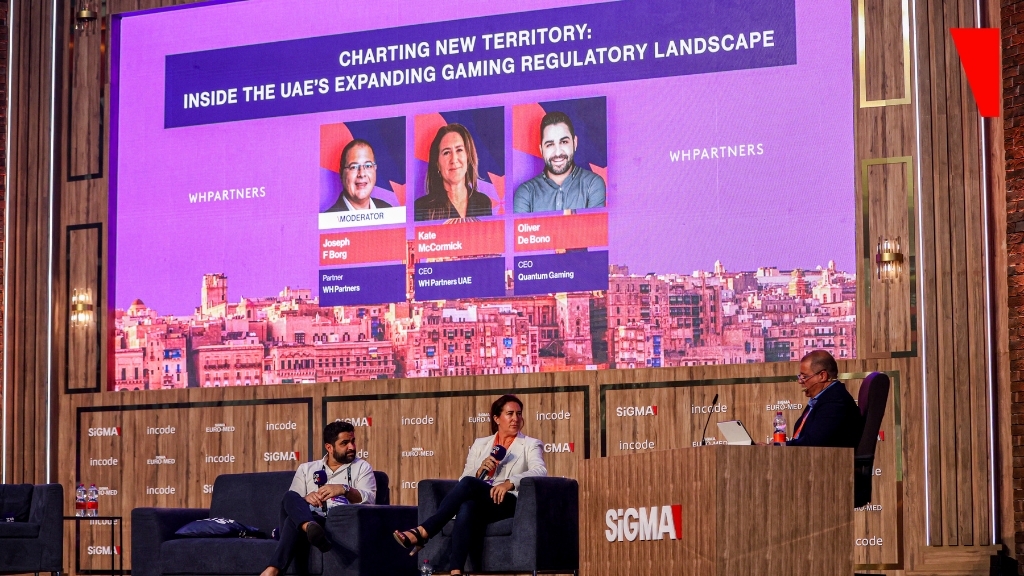
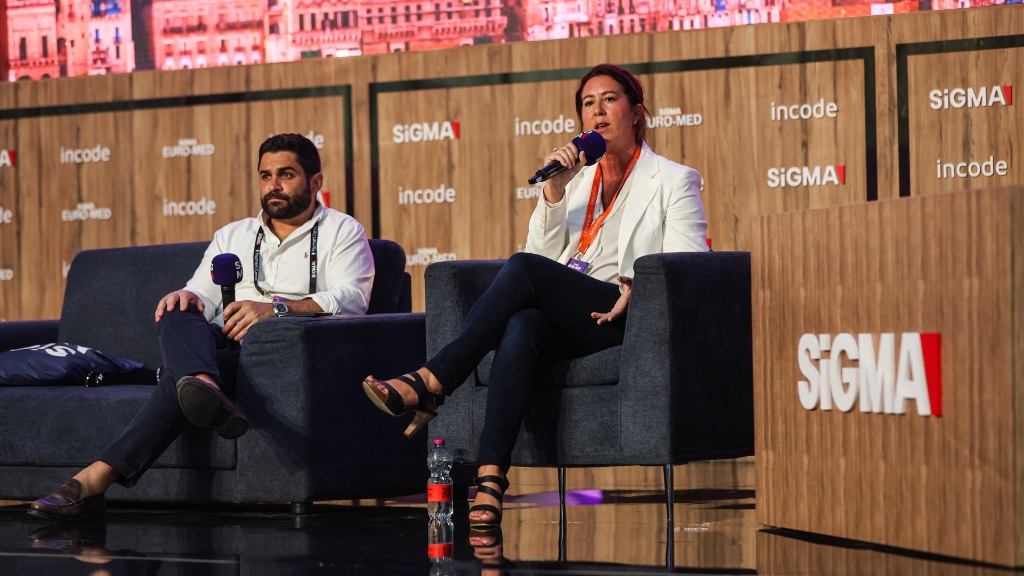
SiGMA Euro-Med opened Day 1 at MMH with a focused fireside chat that was supported by WH Partners and moderated by Dr. Joseph F. Borg, Chairperson of the Virtual Assets Business Section at The Malta Chamber and Partner at WH Partners. Kate McCormick, CEO of WH Partners UAE, and Oliver De Bono, CEO of Quantum Gaming, joined him. Together, they assessed the progress of the UAE gaming regulatory framework and its implications for market entry, compliance, and growth across the Middle East. Framed by SiGMA Euro-Med’s role as a leading industry platform, the discussion provided clear signals on federal licensing, strict marketing rules, and practical pathways for operators and vendors preparing for a measured opening of the market.
Regulatory momentum
Kate McCormick clarified the federal backdrop. “What we know up to today is that the GCGRA regulates at the federal level across the whole of the UAE.” She noted that around 16 licenses have been issued so far, covering B2B vendor approvals, the UAE Lottery operated by The Game LLC, and the first land-based project in Ras Al Khaimah. Enforcement through cease-and-desist actions is active to curb illegal activity. She added that entrants should expect “a premium, tightly regulated, credible” environment. Online is not live yet, but there is broad confidence that it will follow once the foundations mature.
UAE gaming regulation
The panel highlighted Ras Al Khaimah’s free zone and tourism alignment, which facilitates faster setup, banking pathways, and visa support. They also noted that cultural sensitivities mean certain emirates are unlikely to host casino projects. The selection of free zones and early engagement in banking and corporate structuring were stressed as near-term priorities. Marketing must adopt “commercial gaming” terminology, avoid Arabic and not target locals. McCormick advised operators to “partner with the right people” and proceed cautiously to protect future license-ability when online channels open.
Operator and B2B takeaways
B2B vendor licensing currently serves the UAE Lottery and the first land-based development. Broader vendor demand is expected as projects scale. Banking and company setups require upfront planning. Free zone choice should align with onshore and offshore service delivery rules. Strict marketing conduct is essential to avoid jeopardising future licences. Lessons from other markets were cited as a cautionary context. Early compliant presence and “boots on the ground” may ease the addition of verticals as the framework evolves.
“I definitely believe that the UAE is leading what the rest of the GCC states do.“
Regional signal
Oliver De Bono captured the commercial rationale. “As an operator myself, as a B2B provider, those are the kind of markets we wish to target.” He pointed to Dubai’s finance and M&A gravity, a large non-national resident base, and the need for staged market opening rather than rapid liberalisation. Looking across the GCC, he added, “I definitely believe that the UAE is leading what the rest of the GCC states do.” Neighbouring markets are watching policy pacing anchored in tourism, infrastructure and international connectivity.
Looking ahead
The session moved the theme from rumour to reality. Federal oversight is in place. Licences have been issued and expectations on conduct are clear. Dr Joseph F Borg’s UAE practice focus underlines the advisory depth now available to entrants preparing for financial services and gaming mandates across the region. Stay up to date with our agenda the remainder of Day 1 and Day 2 to track policy updates and market signals across conferences, panels and Keynotes. Meet advisors and suppliers shaping the next phase of the UAE gaming regulatory framework and Middle East growth.


