How to Spot a Scam Crypto Casino: 10 Warning Signs for 2026

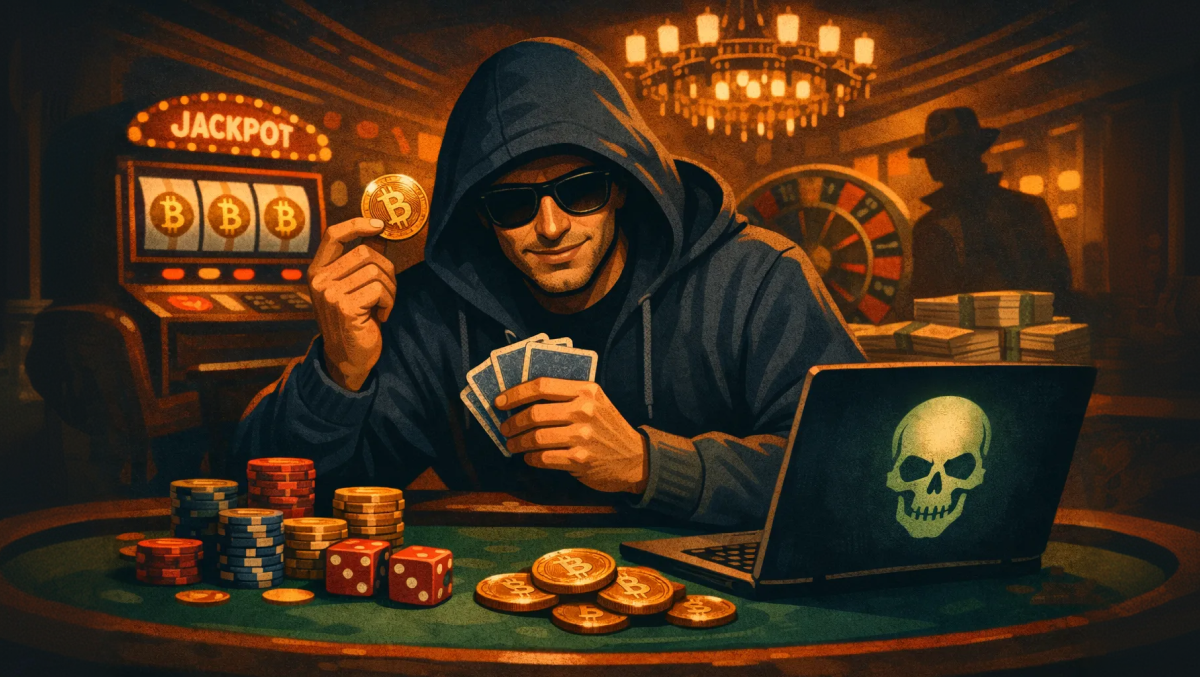
Your very first step before trying any online crypto casino should be to learn how to distinguish a scam crypto casino from a legitimate one. Crypto-based online betting sites offer speed, convenience, fast gameplay, and modern mechanics, but they also attract scammers.
This blog breaks down the warning signs to look out for. Additionally, we will tell you how to evaluate platforms with a critical eye. When uncertainty remains, the safest option is to rely on impartially reviewed crypto casinos that have already been vetted for licensing, fairness, security, and fast payouts.
Why Crypto Gambling Attracts Scammers
Crypto gambling has expanded rapidly, but the very speed and borderless flexibility driving its growth have also introduced many security blind spots. Two core factors in particular make crypto casinos more prone to abuse than traditional gambling platforms.
Irreversible Nature of Blockchain Transactions
Crypto transactions are fast and give you financial autonomy. But here’s the thing about blockchain transactions—once a casino wallet receives deposits, there is usually neither a chargeback mechanism nor an intermediary to resolve disputes. That irreversible nature makes crypto gambling a magnet for fraudsters. They know players can’t call a bank to reverse a shady transfer. It’s the Wild West of wagering, and scammers ride in with cowboy hats and empty promises.
Regulatory Challenges
Most regulated online casinos operate under strict licensing and consumer protection rules. On the other hand, many crypto casinos often attempt to operate outside these regulatory frameworks. Some depend on offshore or loosely enforced licenses, while others provide no verifiable licensing information. This makes it easier for fraudulent platforms to enter the market, rebrand quickly, mimic top-rated crypto casinos, and disappear overnight once complaints arise.
.
The Most Dangerous Crypto Casino Scams Right Now
With the changing times, scammers are becoming more adept and sophisticated. In this section, we will talk about some of the scams that have caused the most damage so far.
Fake Websites and Cloned Platforms
Many scam sites posing as crypto casinos blatantly copy top-rated Bitcoin casinos or other popular crypto casino platforms. Many times, players search for a popular casino site and land on a site that looks almost identical. Same logo, same layout, and same colors. The main trap is a small, almost unnoticeable domain change. It can be anything; a missing letter or an extra symbol.
For example, boonuscasino.io instead of bonuscasino.io
Some scammers go further by purchasing ad space on Google and social media to appear authentic.
How to be safe: Scan the crypto casino site thoroughly, check its licenses, and customer reviews. Find the link to the crypto casino from a verified source (e.g., LinkedIn or social media pages). Do not click on links that you receive on Telegram, Discord, or other social media accounts.
“Pig Butchering” and Social Engineering
The phrase makes you pause and think, right? But it’s a metaphor. Pig farmers feed pigs to fatten them before slaughtering; scammers do the same with gamers. This is a tricky one because it’s not a technical exploitation; it’s an emotional one. It’s a slow game built through trust and friendship (sometimes dating) on social media or messaging channels. Scammers groom targets over days or weeks, build trust, then push a “sure bet” or wallet link that drains funds.
How to be safe: If someone you met online starts sending texts with phrases like “you can’t miss this casino offer” or “here is a secret crypto strategy,” run! No matter how charming they are, block them and save yourself.
Wallet Drainers and Malicious Smart Contracts
Wallet drainers are increasingly common crypto scams that don’t always require players to deposit funds at a casino. Instead, fake casino sites, bonus pages, NFT drops, or phishing promotions may trick users into connecting a crypto wallet and signing a malicious transaction or approval.
What looks like a harmless click can give a smart contract permission to move tokens or NFTs from the wallet. In some cases, these approvals are broad or long-lasting, allowing scammers to drain assets without the user noticing straight away.
How to stay safe: Only connect your wallet to trusted casino sites, never sign random approvals, and carefully review every transaction request before confirming it. If a site pressures you with free chips, urgent bonuses, or suspicious wallet prompts, leave immediately.
AI Deepfake Celebrity Endorsements
AI deepfakes are making crypto casino scams harder to spot. Scammers can create fake videos, voice clips, or social media ads showing celebrities, influencers, or crypto personalities promoting a casino, bonus, or token giveaway. These endorsements are usually designed to build false trust and push users into depositing crypto quickly.
How to stay safe: Don’t trust a casino just because a famous face appears in an ad. Check the celebrity’s verified social media channels, the casino’s official site, and reputable review sources before depositing. Be especially careful with urgent offers, limited-time crypto bonuses, or links shared through random ads and messages.
Impossible Bonus Wagering Traps
“500% welcome bonus! No wagering requirements!” sounds too good to be true. Fake crypto casinos often promote unrealistic bonuses. The real trap is in the terms and conditions page, maybe a 90x playthrough requirement, or something similar.
This is the oldest trick in the book. The problem is the terms being buried in the fine print or no terms at all, which means the casino can make anything up on the fly.
How to be safe: A bonus that looks too good to be true usually is. Don’t forget to read the terms and conditions before you fund your account.
5 Red Flags to Check Before You Deposit
Every bettor knows the golden rule: never hand over chips to a dealer you don’t trust. The same goes for crypto casinos. Before sending coins across the blockchain, scan the casino for warning signs, shady licenses, dodgy withdrawal rules, and almost non-existent customer support. These red flags take five minutes to check, and they will save your bankroll.
Unverifiable or Missing Licenses
Legitimate crypto casinos clearly show their license, regulator, and company name in the footer or the about section. These online casinos are generally licensed by a recognized regulatory body, such as the Curaçao Gaming Authority. A rogue platform typically displays a static, dead image logo that completely fails to link back to an official validator portal. If there’s no trace of the casino in the regulator’s database, treat it as a major red flag and move on.
Serious operators don’t hide in the shadows. You should also be able to see a registered company name, physical address, and contact channels such as live chat and support email. If the site only gives a contact form, uses fake‑sounding company names, or provides zero corporate information, it is not a place you should trust with your bankroll.
Your next move if you spot this red flag: Run the license number on the regulator’s website. If there are no results or the license doesn’t match the casino, close the tab and don’t look back.
Fake Provably Fair Systems
Provably fair is one of the best innovations that legitimate crypto gambling has brought to the online casino world. By using cryptographic hash functions and seed transparency, players can mathematically verify that game outcomes weren’t manipulated. But sadly, scammers have cracked that code.
They’ll plaster “provably fair” on the homepage without actually implementing anything. Either the verification tab goes nowhere, or the algorithm explanation is so vague it’s meaningless. Real provably fair systems let players input their client seed before a game, receive a hashed server seed, and verify the result independently after the round closes. If a platform can’t explain exactly how its system works or won’t let the result be verified after the fact, the claim is just marketing noise.
Your next move if you spot this red flag: Ask the platform to walk you through exactly how their provably fair system works. A legitimate casino will have a dedicated page that explains the process. Vague answers and broken links are the answer in themselves.
Withdrawal Delays and Sudden KYC Demands
Ask any seasoned crypto bettor about their worst experience on a crypto casino site, and they will most probably say “the withdrawal procedure.” Many platforms loudly market themselves as zero-verification operations to attract players, only to completely lock accounts the second a withdrawal request goes through. The platform suddenly starts demanding more documents, utility bills, obscure bank statements, and drags the process out in the name of verification. Withdrawal delays are the digital version of a dealer “forgetting” to pay out chips.
Your next move if you spot this red flag: Stop depositing, take screenshots of your account, chat logs, terms, wallet addresses, and transaction hashes, then contact the casino’s support and licensing body if one is listed. Crypto payments can be difficult to recover, but they are not impossible to track, so you can still report the case to relevant cybercrime authorities or your exchange/wallet provider. For future play, test withdrawals with a small amount before committing larger funds.
Customer Support Asking for Seed Phrases
No legitimate casino, crypto platform, or financial service of any kind will ever ask for your wallet’s seed phrase. A seed phrase is the master key to a crypto wallet (12 to 24 words). If someone knows your seed phrase, they gain complete control of your crypto wallet. Legit customer support agents will never ask for your seed phrase, and if they do, do not engage in that conversation.
Your next move if you spot this red flag: Take screenshots, close the chat, and report the account or platform to the casino, wallet provider, regulator, or relevant cybercrime authority.
Manipulated User Reviews
An online review praising a crypto casino as if it can do absolutely no wrong usually isn’t honest. While review manipulation is an old internet trick, the stakes are much higher here. A fake review for a local café might cost you the price of a bad coffee, but a fake review for a rogue casino can drain your entire bankroll. Real player feedback is never perfect. Legitimate platforms always have a natural mix of comments: some players will praise fast payouts, while others will complain about strict wagering rules or slow customer service. If a casino’s review profile looks completely flawless, you are likely looking at a coordinated campaign of fake, paid reviews.
Your next move if you spot this red flag: Cross-reference the casino’s reputation on independent community hubs instead of relying on its homepage testimonials.
What to Do If You’ve Been Scammed
Discovering that you’ve been scammed is incredibly stressful, but the most important thing you can do right now is step back and focus on damage control. Panicking won’t recover your funds, but taking immediate, deliberate action can prevent further loss and protect your remaining assets. If you’ve been hit by a rogue platform or a malicious contract, let’s go through the exact steps you need to take to secure your digital footprint.
1. Stop Depositing
Sounds obvious, but when panic sets in, it is easy to make impulsive decisions. Fake crypto casinos specialize in psychological manipulation, often using “sunk cost” traps to keep you hooked. They will tell you that a withdrawal is pending, but you need to deposit an extra 20% for taxes, security fees, or to unlock a frozen account. Do not fall for it.
2. Document Everything
Save screenshots, emails, wallet addresses, and transaction records. If you’ve had any conversation with customer support, save it. Capture a screenshot of the platform, ensuring the URL, date, and time are clearly visible.
3. Report the Site
Report the platform to its licensing body or your local cybercrime unit. You can also file public disputes on trusted iGaming mediation portals like AskGamblers or CasinoMeister. For tier-one jurisdictions, escalate the issue directly to the regulator’s player support unit or approved independent ADR entities like eCOGRA to force a resolution.
4. Contact Your Wallet Provider
Decentralized wallets like MetaMask can’t reverse completed transactions, but you should still report the malicious URL, wallet address, and smart contract so they can be flagged. Use a blockchain explorer to track the funds. If they reach a centralized exchange, contact its support or compliance team with transaction hashes and evidence. Freezing assets is possible but not guaranteed.
5. Secure Your Account
If you interacted with a malicious smart contract or suspect your personal data was exposed, lock down your security immediately. Revoke any active token approvals or permissions linked to the suspicious site, then update passwords and 2FA on your email and crypto exchange accounts. If you shared your seed phrase, treat that wallet as compromised and move any remaining funds to a brand-new wallet.
6. Warn Everyone
Be a good human and spread the word about how the platform operates to save the next player from the same trap. Write detailed, objective posts on independent gambling forums. Explain the exact tactics the casino used, share the deceptive URL, and post the scammer’s wallet addresses. This flags the rogue site for blockchain tracking software and warns search engines.
One more thing deserves attention: Recovery scams exist. Once you publicly discuss a loss on forums or social media, fraudulent entities will likely contact you pretending to be “ethical hackers” or recovery specialists. They will promise to claw back your stolen crypto in exchange for an upfront fee. These operators often claim to possess proprietary blockchain tracing software, secret network access, or official regulatory connections. Do not believe them. This is simply a secondary scam designed to exploit your vulnerability.
FAQs
Start with the minimum deposit. Search the platform’s name on Reddit and BitcoinTalk before the first deposit. Five minutes of research upfront is worth considerably more than five days of arguing with a support bot later. Test a withdrawal request before committing serious funds. Check the time it takes and whether any unexpected demands arise.
Leave immediately. That’s a guaranteed scam. Legitimate customer support teams will never ask for your seed phrase under any circumstances. Sharing it gives hackers total access to your wallet, allowing them to instantly steal all your digital assets.
Not always. The implementation matters. True provably fair systems let third parties verify the hashes and seeds. If an operator controls the verification tools without an independent audit, be very skeptical.
Not automatically. Some crypto casinos collect minimal personal data as part of a privacy-focused model. However, anonymity should not replace basic trust signals. A safe platform should still provide clear ownership or licensing details, transparent terms, provably fair game information, visible withdrawal rules, and a consistent track record on independent review sites.