

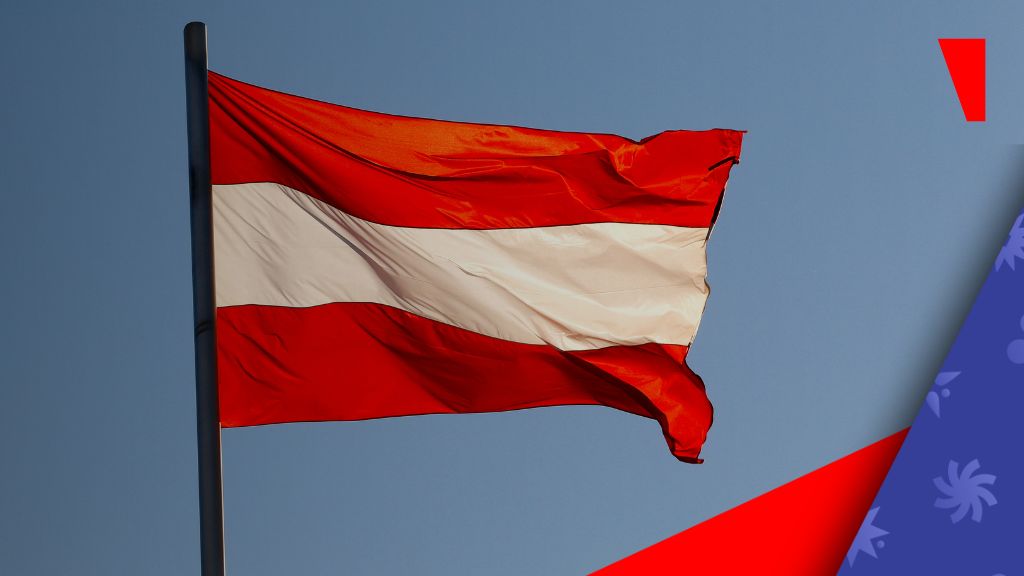
Austria may soon open its online gambling market to multiple operators, potentially ending the decades-long monopoly held by Casinos Austria. The federal government is reportedly considering a licensing system that would, for the first time, allow several companies to operate legally in the country’s online gaming sector, a move expected to reshape Austria’s €1.4bn iGaming landscape.
The Austrian Association for Betting and Gambling (Österreichische Vereinigung für Wetten und Glücksspiel, OVWG) predicts that between 20 and 30 companies will apply for licenses once the new regulatory framework is approved. Likely early entrants include industry heavyweights such as Tipico, Entain’s Bwin, Bet365, LeoVegas, Merkur, and Betway, all of whom already operate across multiple European jurisdictions.
The association, which represents leading operators, says it expects formal talks on gambling reform to begin “soon”, with an agreement anticipated before the end of 2025. Once adopted, Austria would follow Finland’s example in moving from a monopoly to a competitive licensing model, leaving only Poland as the final EU country with a full iGaming monopoly. To learn more about how top online operators are navigating new licensing landscapes, check out the latest updates on the best online casinos.
Economic benefits and safer gambling goals
The OVWG frames the proposed reform not only as an economic opportunity but also as a player-protection upgrade. By introducing a transparent, competitive market, Austria could significantly expand its tax base while improving responsible gambling standards.
Independent studies and OVWG projections suggest that a licensed market could generate up to €1.4 billion in tax revenues by 2031, several times higher than current figures under the monopoly regime. The association adds that liberalised systems across Europe have led to stronger consumer protections and lower black-market participation rates.
“The current monopoly model is outdated and increasingly isolated in Europe,” the OVWG said, stressing that competition fosters innovation and globally proven safer-gambling controls.
Political momentum toward reform
Politically, discussions are expected to involve the Austrian People’s Party (ÖVP), the Social Democratic Party (SPÖ), and NEOS (The New Austria and Liberal Forum)—the three coalition parties poised to negotiate a framework for market liberalisation.
Possible models for the new licensing system include a limited number of licenses or a phased transition away from state exclusivity. Lawmakers are under growing pressure to align Austria with wider European trends, as competition-based models become the regional standard. Finland has already confirmed it will implement its own licensing system by 2027, signalling a continent-wide shift toward liberalisation.
Industry confidence at an all-time high
The OVWG has emphasised that the Austrian market is ready for immediate transition. With up to 30 potential entrants and robust international experience, operators expect rapid growth once clear legal parameters are defined.
Even a limited number of licenses would mark meaningful progress for Austria’s iGaming ecosystem. Comparable markets like Germany and Denmark, which currently have around 30–38 licensed operators, demonstrate that liberalisation leads to higher tax revenues and improved regulatory oversight.
European cooperation and enforcement readiness
Discussions about regional regulations are also being attended by Austria. Austrian representatives joined peers from Germany, Switzerland, and Liechtenstein at the recent DACHL regulators’ conference in Halle to talk about IP blocking, enforcement measures, and ways to stop illegal gambling.
This cross-border collaboration reflects Austria’s intent to align with European best practices, a critical step if the country is to manage the transition to an open licensing framework effectively.
Growing calls for liberalisation
The possible liberalisation comes as Austria’s casino market approaches a tipping point, with the expiry of Casinos Austria’s exclusive licence in 2027 nearing. There were growing calls for liberalisation and a move to a competitive multi-licence system. The online gambling market in Austria was valued at around €632 million in 2024, accounting for around 20 percent of total gambling revenue.
The European Gaming and Betting Association (EGBA) also called for Austria to overhaul its outdated monopoly system. Currently, Austria’s monopoly system grants exclusive rights to a single operator, Casinos Austria, for online casino gaming. The current model has several drawbacks, including a lack of consumer protection, limited regulatory oversight, and a loss of potential tax revenue.
Subscribe HERE to SiGMA’s Top 10 News countdown and SiGMA’s weekly newsletter to stay up to date with all the latest iGaming News from the world’s iGaming authority, and benefit from subscriber-only offers.


