

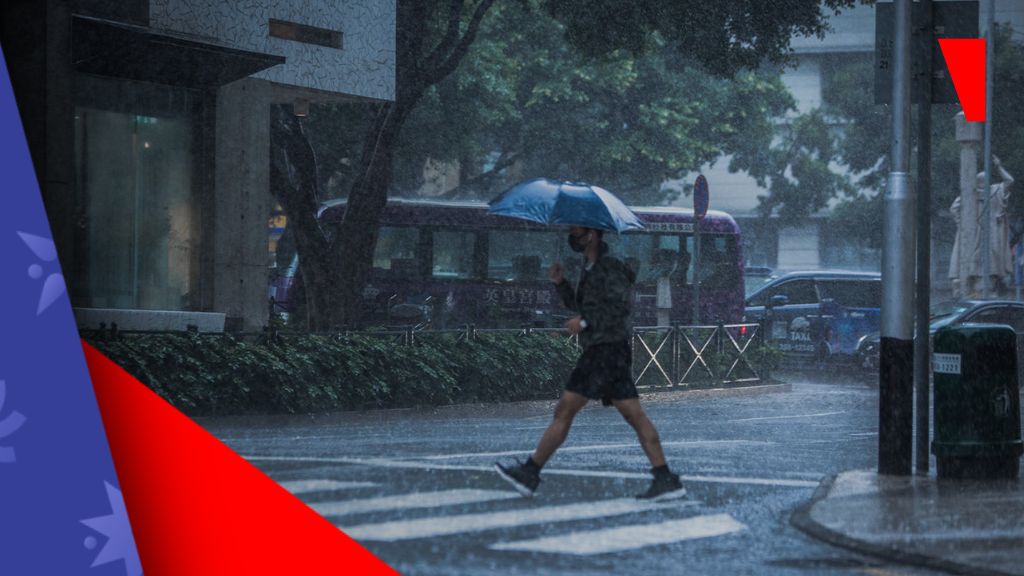
Casino resorts remained open during the onslaught of Typhoon Wipha, as authorities worked to protect guests and staff from potentially dangerous conditions by keeping them indoors. The move came amid growing concern that a full closure of gambling facilities could lead to unnecessary exposure to the elements.
The directive was issued by Macau’s Gaming Inspection and Coordination Bureau (DICJ), which said it had “instructed gaming premises to remain operational” to “prevent people from gathering outdoors or attempting to travel during the typhoon.”
Casino operators were also advised to ensure facilities were safe while making arrangements for staff and visitors to rest on-site. Many of Macau’s tens of thousands of casino workers live outside the city’s main borders, making commuting nearly impossible during storms.
Decision for safety of visitors
The DICJ added that it would continue working closely with gaming operators to ensure both safety and that workers’ rights were “protected according to law,” including the right to rest and receive compensation during adverse conditions.
The decision to remain open came in contrast to previous storms. In 2023, when Typhoon Saola triggered a T8 signal, authorities ordered all casinos closed. This time, as Wipha approached, the city was placed under Typhoon Signal No. 10 — the highest alert — yet closures were avoided.
Despite the precautionary measures, Macau was not spared from disruption. Nearly 200 flights were cancelled at Macau International Airport, while ferry services and local transport, including casino shuttle buses, were suspended. The city’s three major border checkpoints — Gongbei, Qingmao, and the Zhuhai-Macao Cross-Border Industrial Zone — were closed on morning of 20 July 2025.
Typhoon trouble amid slow economic recovery
The storm struck as Macau’s casino sector was showing signs of sustained recovery. In June 2025, gaming revenues increased for the fifth consecutive month compared to the same month in the previous year. Through the first half of the year, Macau’s six licensed casino operators generated approximately $14.7 billion (€13.5 billion) in gross gaming revenue. That marks a recovery to about 79 percent of the $18.5 billion(€17 billion) posted during the same period in 2019, before the pandemic.
Typhoon Wipha made landfall near the Guangdong city of Taishan, just southwest of Macau. Although initially classified as a severe Typhoon by the Hong Kong Observatory, its sustained winds of 108 Km/h meant it was later downgraded to a tropical storm.
Rippling effects felt in the Philippines
Wipha, a female Thai name meaning “splendour” or “radiance,” did not cause any fatalities in Macau or neighbouring Hong Kong, with early reports indicating minimal structural damage to the peninsula and the Cotai Strip.
Still, the wider region faced more serious consequences. In the Philippines, over 370,000 people were affected by days of stormy weather, including 43,000 displaced due to flooding, landslides, and strong winds.
As Macau edges closer to pre-pandemic tourism and gaming levels, the city’s cautious but flexible approach to storm response — especially involving its casino industry — may become a model for balancing economic interests with public safety in typhoon-prone areas.


