
Washington mayor renews push to legalise poker and blackjack

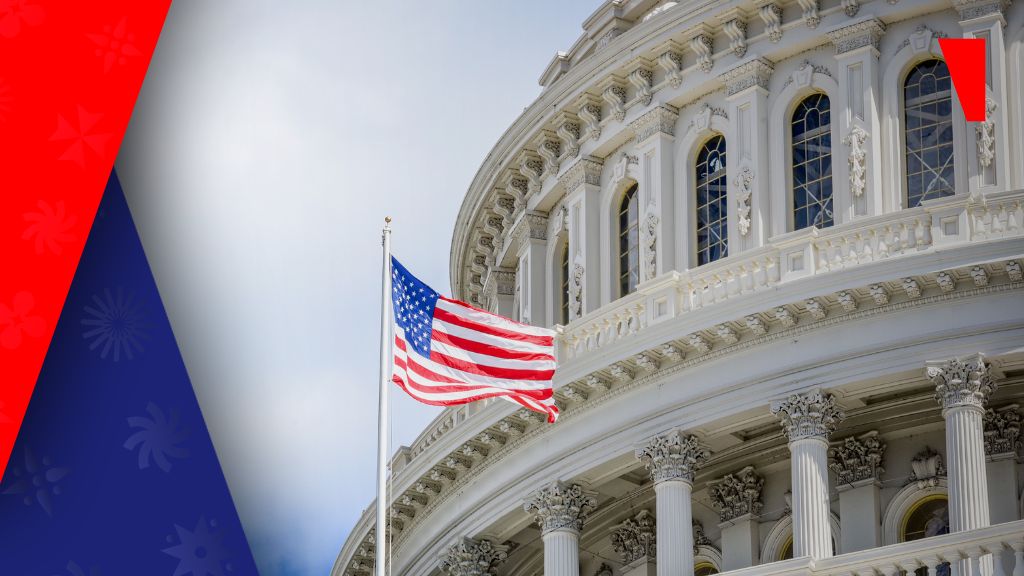
Washington, D.C. Mayor Muriel Bowser has proposed the Poker and Blackjack Gaming Authorisation Act of 2025, aiming to legalise poker, blackjack, and bingo in hospitality venues across the city. The legislation is designed to boost tax revenue, support job creation, and address economic pressures stemming from potential federal workforce reductions and slowing local growth.
Background of gambling in Washington
Lotteries and regulated sports betting have long been the only forms of gambling available in Washington, D.C. While other states increased their casino operations, D.C. had strict regulations in place. The business remained monopolised until revisions in 2024 brought more competition, despite the legalisation of mobile sports betting in 2019. The city’s gambling laws may change as a result of the current plan to legalise bingo, blackjack, and poker.
Legislative context
Mayor Bowser’s proposal, Council Bill B26-0379, proposes legalising poker, blackjack, and bingo in designated venues such as hotels and entertainment centres. The legislation is linked to the FY2026 budget and is intended to increase tax revenue, support tourism, and promote small business activity.
Council Bill B26-0379 was introduced and referred to the Committee on Business and Economic Development, chaired by Kenyan McDuffie. While previous gaming proposals faced opposition, the current bill is supported by revenue projections, regulatory measures, and broader interest in economic recovery.
McDuffie stated, “Because I think it’s another clear message that the mayor, the deputy mayor and this city is sending, despite everything around us, that Washington D.C. is not standing still. Rather, we are investing in our future and proving that inclusive growth, innovation, and economic opportunity are central to our story here in the District of Columbia.”
Economic motivation behind the bill
In response to projected economic slowdown and reduced federal employment, the proposed gaming legislation is intended to diversify D.C.’s economy. It aims to generate new revenue and reduce reliance on government jobs by expanding the city’s entertainment and hospitality sectors.
Under Council Bill B26-0379, poker and blackjack would be taxed at 25 percent of gross gaming revenue, while bingo would be taxed at 7.5 percent. The first $250,000 in collected taxes would be allocated to the Lottery, Gambling and Gaming Fund, with the remainder directed to the District’s General Fund. For comparison, sportsbooks without venue partnerships in D.C. are taxed at 30 percent.
Licensing and operational requirements
Operators must pay a non-refundable $5,000 application fee to enter the market, with an additional $2,000 fee for each extra location. Licences are valid for two years and can be renewed for $1,500, plus $500 per location. Expanding to new venues costs $1,000 per site. All players must be at least 18 years old. The Office of Lottery and Gaming (OLG) will regulate the system, ensuring compliance, licensing, and responsible gaming practices.
Regulatory expansion and oversight
By permitting restaurants, hotels, and event spaces to hold gaming tournaments, the idea seeks to involve small companies and local venues, potentially increasing foot traffic and the local economy. It expands on earlier initiatives to safeguard smaller sellers when sports betting was introduced. A key figure in the project is McDuffie, who chairs the Committee on Business and Economic Development. Prior to this, he worked on the Sports Wagering Amendment Act, which improved fairness for small operators and opened the industry. His current partnership with Mayor Bowser centres on responsible gaming growth, economic opportunity, and transparency.
Future of gaming regulation in D.C.
The OLG is expected to expand its role into a full-scale gaming authority, requiring new staff, updated compliance systems, and responsible gaming education initiatives. Esports, online poker, and casino-style games are examples of potential innovations that this regulatory framework may help to foster. The new law may be put into effect by 2026 after council hearings and discussions. Transparency and public participation will be crucial as officials weigh the financial advantages against social protections.
Subscribe HERE to SiGMA’s Top 10 News countdown and SiGMA’s weekly newsletter to stay up to date with all the latest iGaming News from the biggest iGaming community in the world and benefit from subscriber-only offers.


