


Eswatini moves to block underage access to online gambling

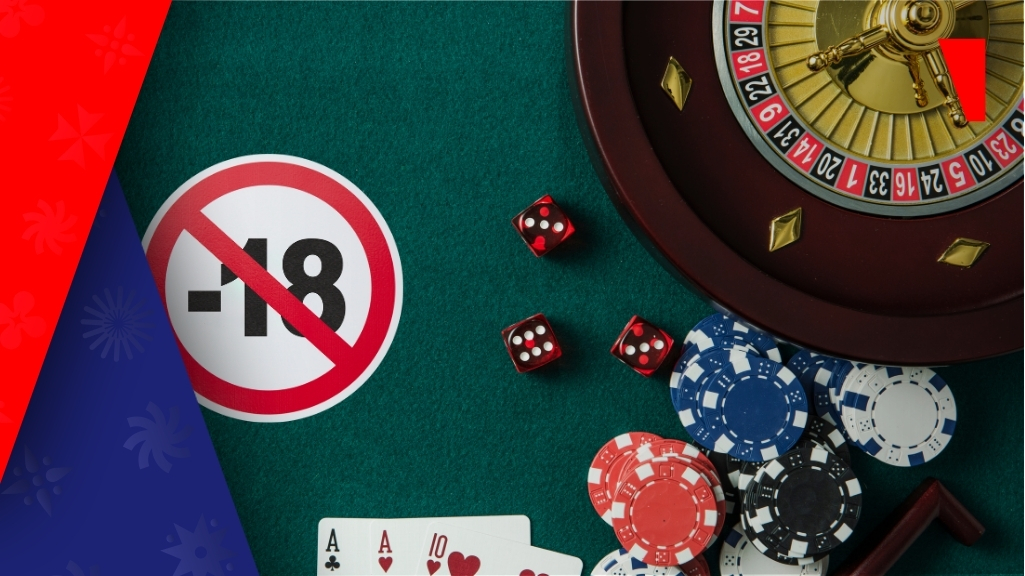
Eswatini is tightening controls on online gambling as the government pushes new measures to block minors from digital betting platforms. The Minister of Tourism and Environmental Affairs, Jane Mkhonta-Simelane, announced the plan during her ministerial statement on gambling in the House of Assembly.
Government targets secondary mobile wallets
Mkhonta-Simelane said the government is working with gaming operators and telecommunications companies to block all secondary mobile wallet numbers belonging to people under the age of 18. She noted that many of these secondary mobile wallets were opened by guardians on behalf of minors. The minister stressed that the Gaming Control Act of 2022 placed strong emphasis on responsible gambling.
She highlighted that safeguarding minors remains a priority under the Gaming Control Act of 2022 and the Children’s Protection and Welfare Act of 2012. She stated that protecting children from harmful activities, including online betting, required a collective effort from government, operators, and parents.
Strengthening player protection measures
Mkhonta-Simelane affirmed that the government remains committed to protecting the public, especially children and vulnerable persons, while maintaining a stable, well-regulated gaming industry. She said that to uphold the mandate of responsible gambling, the ministry is proposing mandatory player-protection tools as outlined in the legislation. The ministry is also establishing a rehabilitation fund requiring policy guidelines and adequate financing.
“We will raise awareness on gambling addiction, its warning signs, and the support services available, through public education campaigns,” she said. She added that draft regulations under the Act have been completed and are currently undergoing stakeholder review. Once enacted, the regulations would ensure consistency, transparency, and robust oversight across the sector.
Call for a comprehensive industry study
Mkhonta-Simelane noted that administrative interventions and legal frameworks remain essential, but said Eswatini also needs a comprehensive study of the local gaming industry. She highlighted that different jurisdictions have adopted varying models. She noted that South Africa follows a free-market approach, while Botswana opted for a tendering system after market research. Eswatini’s strategy, she said, would be informed by comparative analysis.
The minister summarised her statement as covering seven key areas. These areas include the issuance of online betting licences, the status of regulations, the fee schedule, the protection of minors, support for those struggling with addiction, and the need to set a cut-off date for issuing new licences, given Eswatini’s small economy.
Parliamentary reactions to the statement
“We are currently using the bookmaker provision for issuing licences. To address concerns raised by the House, we are engaging stakeholders on the various licence categories under the Act and informing them of the measures being taken to legitimise gaming services in the industry,” she said.
Mbabane East MP Welcome Dlamini questioned the ministerial statement’s admissibility, stating that the subject was already before the House through a motion. He argued that the statement could be seen as an attempt to circumvent the procedure.
The Speaker of the House of Assembly, Jabulani Mabuza, clarified that the statement did not exempt the minister from responding to the motion. He added that the motion on a similar issue previously on the Notice Paper had since been withdrawn.
Somntongo MP Sandile Nxumalo further argued that the minister was not circumventing procedure as her statement covered multiple issues. However, he noted that she remained obliged to address the original motion.
Africa’s iGaming force is rising, and Cape Town’s shaping the continent’s future. From 03–05 March 2026, SiGMA Africa will bring together 3,000 delegates, 780 operators, and 150+ speakers to the table. This isn’t hype. It’s happening. Don’t sleep on it.


