


Finland introduces the “2-4-2” rule to reduce gambling-related harm

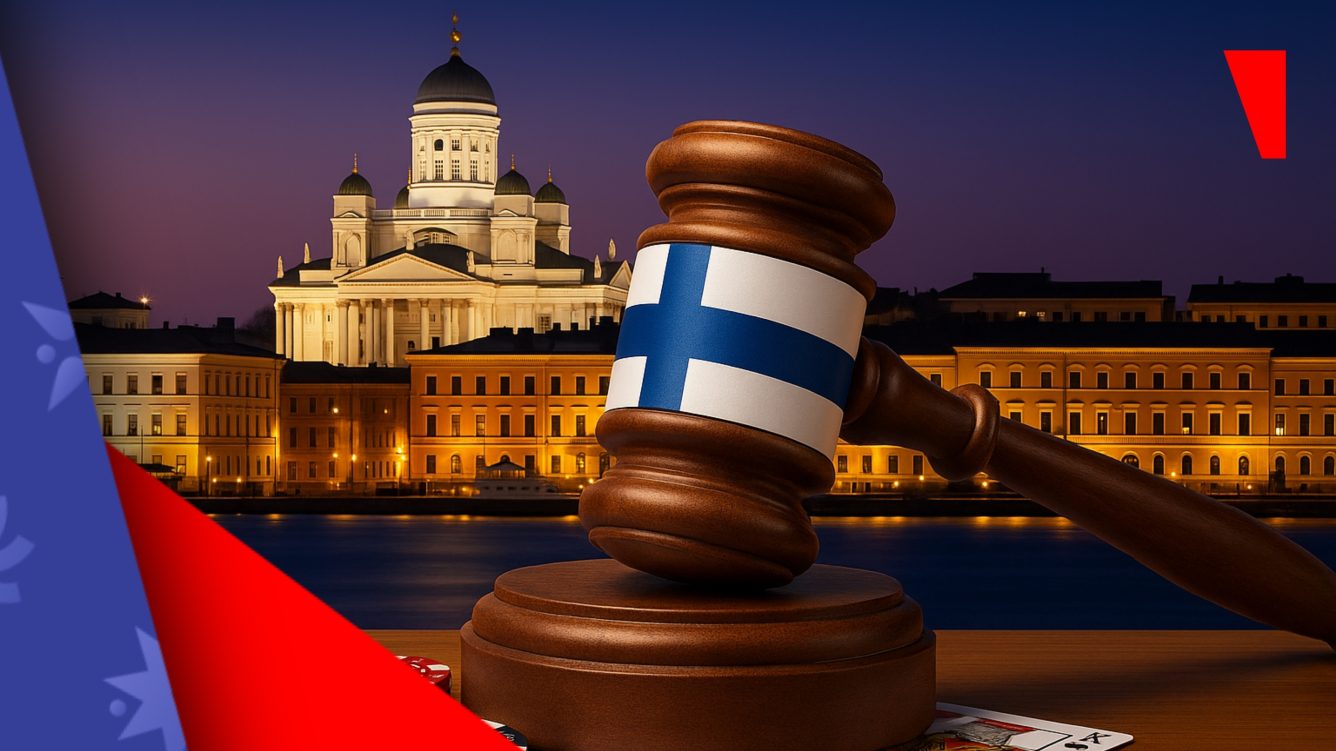
Finland’s National Institute for Health and Welfare (THL) has introduced a new “2-4-2” benchmark – a simple way to manage and assess gambling risk. Here is what the rule involves and why it is being launched now.
What the “2-4-2” rule means
The approach is designed to define a “low-risk” threshold. THL’s guidance is to:
- Keep spending on gambling at or below 2% of monthly income
- Limit play to no more than four days per month
- Restrict regular participation to no more than two game types.
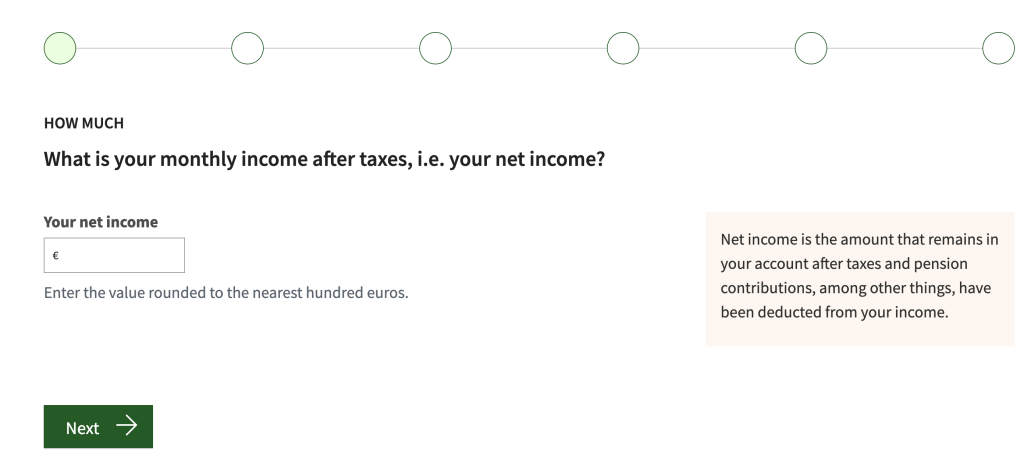
THL stresses that “2-4-2” is not a legal limit, but a self-control benchmark. It is intended to help people recognise early signs that gambling habits are drifting out of control. Alongside the rule, the institute has launched a test that asks users to compare their gambling style with their income level and possible signs of harm. THL plans to promote it actively online throughout 2026.
Finland’s market context
THL’s initiative is directly linked to Finland’s market reform. From 2027, the country will move from a monopoly to a competitive licensing model for online gambling. This is expected to increase advertising and marketing activity and, as a result, increase pressure on players.
With 70% of respondents saying they have gambled in the past 12 months, the country needs a short, easily understood public standard. THL plans to use “2-4-2” in prevention messaging and in discussions about operator responsibility.
Licence applications will open on 1 March 2026, while the launch of licensed services is scheduled for 1 July 2027. Veikkaus retains its monopoly until the end of June 2027, meaning other companies are prohibited from launching or advertising gambling services.
Other responsible-gambling measures
Against the backdrop of the reform, the authorities are also considering stricter intervention mechanisms. One proposal would introduce a system that tracks player spend across all licensed operators. When spending reaches thresholds of €25, €50, €75, €100 and €200, users would receive push notifications. In addition, the proposal suggests temporarily freezing the account at €100 and fully blocking it at €200 until the operator has made direct contact with the user.
The industry considers such measures excessive. Antti Koivula, CCO at Hippos ATG, warns that strict limits could push players towards illegal platforms where such rules do not apply.
“Overly strict rules will hinder operators’ willingness to come within regulation and favour the black market, which will not follow these rules.”
Antti Koivula, CCO, Hippos ATG
What it means for the industry
Finland’s market will be under close scrutiny in the coming years. Mika Kuismanen, CEO of the Finnish Trade Association for Online Gambling, says the country has a strong chance of building a profitable and sustainable model: advertising rules are relatively liberal, the tax rate is low, and responsible-gambling requirements are strict.
In that context, “2-4-2” becomes part of a wider picture: the benchmark arrives as the market prepares for stronger competition and larger marketing budgets, while the state strengthens harm-prevention tools and the technological control framework.
This article was first published in Russian on 9 February 2026.
Join the biggest iGaming Community in the world with SiGMA’s Top 10 news countdown. Subscribe HERE for weekly updates from the world’s iGaming authority and exclusive subscriber-only offers.


