
Germany unites regulators to fight black-market gambling

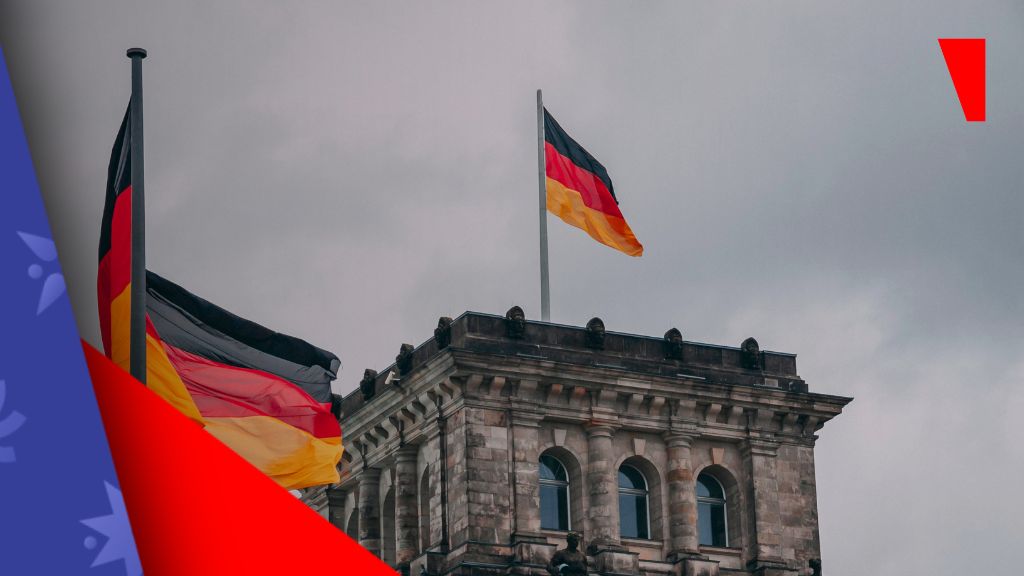
Germany has taken a major step toward deeper federal coordination on gambling regulation as the Gemeinsame Glücksspielbehörde der Länder, or GGL, begins formal discussions with the Federal Government’s Commissioner for Drugs and Addiction. The move signals a stronger national focus on player protection, data-driven regulation and enforcement against illegal gambling services that continue to target German consumers.
The latest data revealed that more than half of the country’s entire online gambling market sat outside regulatory oversight and the situation was even more alarming in the virtual-slots segment, where up to 80 percent of play occurred on unauthorised platforms.
First official talks between GGL and drug commissioner
Last week GGL Chair Ronald Benter met Prof Dr Hendrik Streeck for the first official exchange between the two institutions. Their discussion focused on developing a closer partnership across government, research bodies and prevention groups.
Benter stressed that preventing gambling addiction remains a core mandate for the GGL. The authority follows a three-pillar strategy that centres on raising public awareness, disrupting illegal gambling and monitoring licensed operators for compliance with strict player protection rules. He noted that regulation requires cooperation from all stakeholders in order to work effectively.
Both sides highlighted the need for coordinated national action to reduce gambling harm, improve data quality and support long term market stability. The meeting ended with agreement to maintain regular dialogue and build a joined up approach to research, counselling services and regulatory practice.
Calls for criminal code updates to counter illegal gambling
A key focus of the discussions was the growing challenge of illegal gambling providers operating from outside Germany. These platforms continue to attract significant traffic and undermine the channelisation goals of the legal market.
The GGL and the Commissioner agreed that stronger enforcement tools are needed. Updating sections of the Criminal Code would help prosecutors target offshore operators more effectively. The GGL reiterated that consistent enforcement supports player safety and protects the integrity of Germany’s regulatory framework.
Benter added that the Interstate Gambling Treaty of 2021 provides a strong foundation for regulation. He said any changes must be targeted, practical and supported by reliable data so that the legal market remains sustainable.
Rising concerns over gambling disorders
Prof Streeck recently raised concerns about gambling harm during September’s national Action Day on Gambling Addiction. A report from his office estimates that 1.3 to 1.4 million adults in Germany already suffer from gambling addiction and a further 3.5 million are at risk. The report also notes that around 600,000 minors live in households affected by a parent’s gambling disorder.
Experts believe the real scale of harm may be higher because Germany lacks a standardised national system for measuring gambling-related problems. There is also limited distinction between play on licensed and unlicensed platforms, which creates a wide range of estimates and uncertainty about the true social impact.
Streeck warned that gambling addiction remains one of the most common but least visible forms of dependency. Many individuals seek help only after several years, which increases the pressure on counselling and support services.
Future of German Gambling Policy
Germany is preparing for a full review of the Interstate Gambling Treaty by the end of 2026. The GGL confirmed that this will be the most significant assessment since the framework came into force in 2021.
The review will examine channelisation rates, the impact of player protection rules and the ability of the legal market to compete with offshore operators. Industry stakeholders expect discussions around deposit limits, stake restrictions and advertising rules as regulators consider ways to improve market performance without weakening safeguards.
For licensed operators the message is clear. Compliance will remain strict, but the 2026 evaluation may create space for targeted reforms that support a legal, controlled and consumer focused gambling environment.
Germany’s latest federal cooperation efforts signal a shift toward more unified policy making. Authorities aim to strengthen prevention, enforce regulation and ensure that the gambling market remains safe, transparent and sustainable for all players.
Subscribe HERE to SiGMA’s Top 10 News countdown and SiGMA’s weekly newsletter to stay up to date with all the latest iGaming News from the world’s iGaming authority, and benefit from subscriber-only offers.


