
Indonesia finds 500K welfare recipients in gambling activity

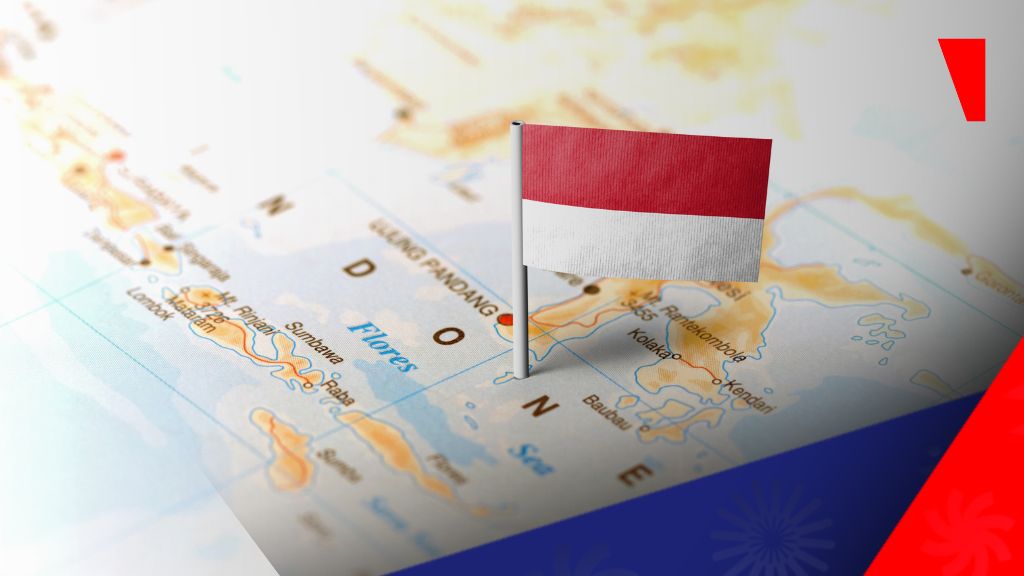
Indonesia’s Financial Transaction Reports and Analysis Center (PPATK) has revealed that over 500,000 recipients of government social assistance have been linked to online gambling transactions, according to local media outlet. These individuals, classified as financially vulnerable, were found to have channelled substantial sums through gambling platforms.
PPATK’s role in monitoring financial crimes
PPATK serves as Indonesia’s financial intelligence unit. It monitors and investigates financial transactions to detect money laundering, terrorism financing, and the misuse of public funds. By analysing millions of financial records, PPATK identifies suspicious activity. In this case, it uncovered 7.5 million online gambling transactions associated with accounts registered to individuals receiving social assistance.
The startling statistics
According to 2024 data, 571,410 individuals receiving government welfare support were flagged for suspected involvement in online gambling. These cases are part of the 28.4 million National Identification Number (NIK) holders registered for welfare assistance. While the majority of recipients are eligible, the findings highlight significant misuse.
PPATK reported 7.5 million gambling-related transactions linked to these accounts, indicating that the issue is widespread rather than isolated.
According to PPATK head Ivan Yustiavanda, recipients of government aid deposited over Rp900 billion ($55.43 million) into online gambling platforms—based solely on data from one bank. With investigations ongoing across other financial institutions, the total amount involved could be considerably higher.
The rise of online gambling in Indonesia
Online gambling, locally known as Judol, has seen rapid growth in Indonesia despite being illegal. Its accessibility via websites, mobile applications, and messaging platforms such as WhatsApp makes it difficult to monitor and control.
This surge in online gambling has had serious social consequences. Some welfare recipients continue to gamble despite receiving government support, leading to financial strain on families and increasing personal debt.
Misuse of welfare funds
The revelation that some social assistance beneficiaries are using public funds for online gambling raises serious concerns about accountability and oversight. These welfare programmes are designed to support low-income individuals, but such misuse undermines their effectiveness and diverts resources from those genuinely in need.
In the first half of 2025 alone, the government disbursed Rp78 trillion ($4.80 billion) in welfare aid. Even if a small portion of this is being used for gambling, it significantly diminishes the impact of poverty alleviation efforts.
Government response and reforms
In response, PPATK has frozen millions of accounts deemed ineligible for social assistance, blocking approximately Rp2 trillion ($123.18 million) in payments. Several of these accounts contained unusually large sums, raising suspicions of aid misuse. The government is now tightening eligibility criteria. Accounts that have been inactive for more than five years will be disqualified from receiving assistance.
The misuse of social assistance for online gambling has raised doubts about the integrity of welfare programmes. It threatens public trust in both the eligibility of recipients and the distribution system. These findings have prompted calls for reform, with lawmakers under pressure to enhance aid distribution mechanisms, strengthen digital oversight, and take legal action against those misusing public funds.


