
Iowa pushes bill targeting illegal betting platforms

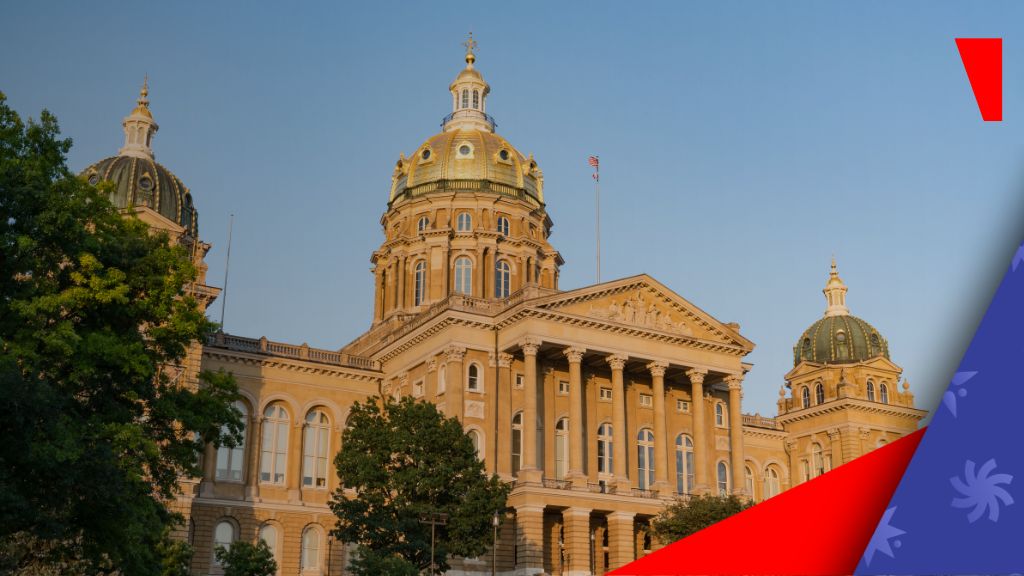
Gambling has shifted notably in the past decade with the growth of online platforms and mobile apps, creating opportunities for both licenced and unlicenced operators. In Iowa, lawmakers are preparing for the 2026 legislative session with a proposal to strengthen the enforcement powers of the Iowa Racing and Gaming Commission (IRGC), as reported by several media outlets.
Under current Iowa law, the Racing and Gaming Commission oversees licenced casinos and sportsbooks, ensuring compliance, fairness, tax obligations, and consumer protections. Its authority does not cover unlicenced or offshore platforms, leaving a gap that allows these operators to reach Iowa residents without direct state enforcement.
What new bill proposes
The Iowa Department of Inspections, Appeals, and Licencing has proposed a bill that would increase the Racing and Gaming Commission’s enforcement authority. It gives the commission the power to remove loopholes that presently restrict action to consumer warnings, seek injunctive remedies against unlicenced operators, and issue cease‑and‑desist orders to unlicenced gambling platforms. This would enable the commission to deal directly with unregulated gaming that targets Iowans.
The proposal centres on expanding the Iowa Racing and Gaming Commission’s authority. Currently, the commission oversees licenced operators but has limited power against unregulated platforms, relying mainly on warnings. The legislation would allow the commission to take direct action to stop unlawful gambling activity targeting Iowa residents.
Tina Eick, administrator of the IRGC, supports the bill, noting that the current system effectively regulates licenced operators by ensuring fairness, secure fund management, responsible gaming measures, and tax contributions. However, she emphasises that without expanded authority, the commission cannot take meaningful action against illegal platforms.
Enforcement gaps under current law
The IRGC lacks the power to take action against unauthorised operators, which is why the bill is necessary. Currently, authorities are only able to warn the public, they are unable to force illicit sites to cease. Due to this enforcement loophole, residents can be targeted by unlicenced operators with no real repercussions.
A cease‑and‑desist order would allow Iowa regulators to require unlicenced gambling operators to stop targeting residents. Non‑compliance could result in legal action, including injunctions or financial penalties, with enforcement pursued through state courts. This authority would close a key regulatory gap and bring Iowa in line with other states.
As online wagering continues to expand, regulators and consumer advocates stress the importance of helping players distinguish between legal platforms and illegal alternatives, encouraging players to verify licencing and rely on trusted resources such as top-rated online sportsbooks, when evaluating legitimate options in regulated markets.
Data on illegal gambling in US
Illegal gambling is a nationwide issue. Data from the American Gaming Association shows Americans wager over $673 billion each year through unregulated channels, a 22 percent increase since 2022. States lose an estimated $15.3 billion in tax revenue annually as a result, weakening regulated markets and consumer protections.
Iowa regulators are focused on illegal gambling activities such as impersonation sites that mimic licenced casinos or sportsbooks to mislead players, sweepstakes‑style casinos that promote free play or cryptocurrency rewards but often fail to pay out, and offshore sportsbooks that take bets without licences or oversight, making enforcement under current law difficult.

Comparisons with other states’ crackdowns
Iowa is not the only state addressing illegal gambling. In Tennessee, the Attorney General issued cease‑and‑desist letters to online sweepstakes platforms operating without authorisation, describing them as deceptive and harmful. New York has taken similar steps by passing legislation to ban certain sweepstakes casinos and sending notices to operators believed to be violating state rules, reflecting a broader push for stronger enforcement authority.
If enacted, the bill would give Iowans stronger protection from unlicenced gambling platforms, allow the state to take legal action beyond consumer warnings, and create fairer conditions for licenced operators. Critics raise concerns about expanded regulatory authority, enforcement costs, and jurisdictional challenges with digital platforms, but supporters argue that the added oversight is necessary.
Subscribe HERE to SiGMA’s Top 10 News countdown and SiGMA’s weekly newsletter to stay up to date with all the latest iGaming News from the world’s iGaming authority, and benefit from subscriber-only offers.


