


Lunar New Year sparks premium mass surge in Asian casinos

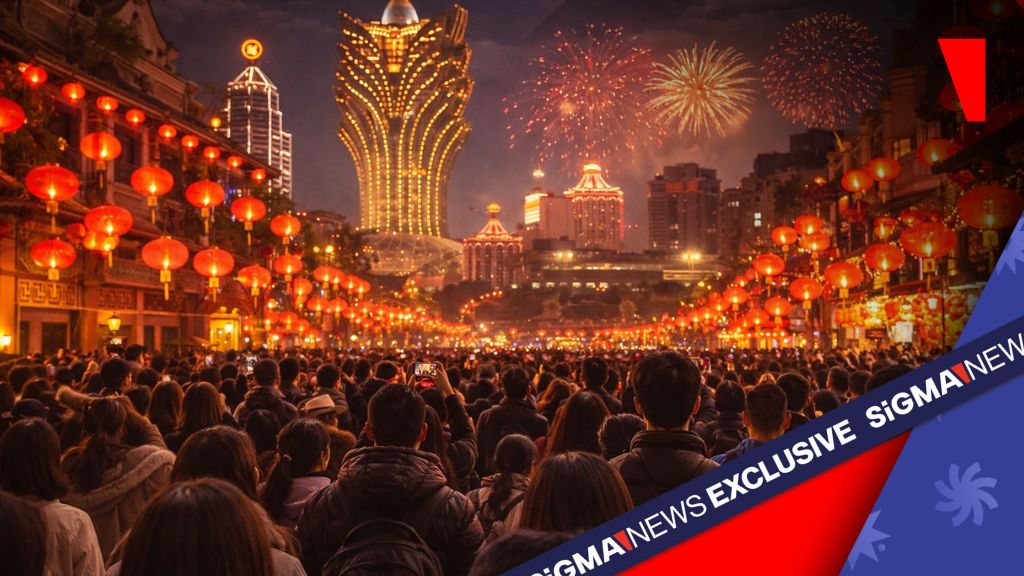
Lunar New Year 2026 is shaping up to be a defining early test for Asia’s land-based casino operators, according to industry leaders, pointing to premium mass demand as the main driver behind expected gains in Macau and across Southeast Asia.
The holiday begins on 17 February, marking the start of the Year of the Horse. While this period consistently brings increased activity to regional gaming markets, executives note that the composition of revenue has shifted in recent years.
Mary Mendoza, Managing Director of The Platinum Ltd, stated that the Lunar New Year is one of the few occasions when cultural practices and commercial performance align. “Spending during this period carries meaning,” she said. “For many players, it’s not just leisure. It’s symbolic. That changes behaviour.”
Riaan van Rooyen, CEO of Aria International, echoed this sentiment, “This week compresses everything. Staffing, compliance, table mix, customer tracking. You either execute cleanly, or you leave money behind.”
Revenue increase is expected
Gambling during the holiday is linked to luck and new beginnings. High-value customers often bet more to start the year on a good note. End-of-year deals and bonuses also bring more money into the market before the holiday.
“For many high-value players, it is a ritualised expression of prosperity-seeking. This typically translates into higher buy-ins, larger average bets, and reduced short-term loss sensitivity.”
– Riaan Van Rooyen, CEO, Aria International
Van Rooyen said operators prepare months ahead for what he calls a short but important trading window. “Everything intensifies,” he said. “Table allocation, staffing levels, compliance monitoring, customer segmentation. You have a short span to capture value, and operational discipline becomes critical.”
Evolving travel patterns
This week is one of the world’s largest annual migrations, with billions travelling during the holiday. Many visit major gaming hubs such as Macau, Manila, and other regional resorts.
Macau follows the same pattern each year. Data from the Gaming Inspection and Coordination Bureau shows that gross gaming revenue rises during Lunar New Year, and hotels often reach 90 percent occupancy on peak days.
The first few days are typically reserved for family gatherings, with casino traffic building from the third day of the holiday as visitors extend their stays and increase spending. Van Rooyen notes that travel behaviour is no longer as predictable as it once was.
“Visitors are arriving earlier than before, and the busiest days are now closer together,” he said. “Operators that monitor how play builds through the week are better placed to manage capacity and maximise returns.”
Forecasts suggest Macau’s gross gaming revenue may edge up in early 2026, with analysts pointing to mid-single-digit growth. Although the increase appears limited, industry executives say the structure of revenue has shifted markedly since the pandemic.
Van Rooyen says this change is here to stay. “Premium mass brings volume without balance sheet problems. During Lunar New Year, that segment grows easily because demand is already strong.”
Mendoza agrees that premium mass is now central, but says keeping these players is challenging. “These are sharp customers. Service, digital tools, loyalty programmes—all of it matters when they decide where to go back.”

Southeast Asia heats up
Outside Macau, operators are eyeing the south for the same Lunar New Year bump. The Philippines has built itself into a solid regional gaming destination. Philippine Amusement and Gaming Corporation recently posted quarterly revenues over ₱50 billion (roughly $860 million), a major proof that Manila’s integrated resorts have scale. Airport upgrades, new Visa schemes and new regional flight routes should help pull in more visitors this February.
Vietnam tells a different story. Last year saw a strong domestic travel, hotels filled, and tourism spikes across major spots. But regulatory caps on local casino access still restrict broader industry growth. Rapid expansion isn’t likely, though observers note that steady infrastructure work and stable international arrivals could inch things forward.
Prioritise whole year momentum
Despite the focus on a single holiday period, both experts stressed that the longer-term objective goes beyond February’s surge. Attracting first-time visitors and converting them into repeat customers is considered essential for ongoing growth throughout the year.
“Lunar New Year creates momentum,” Mendoza said. “What matters is how that momentum is managed.”
Van Rooyen expressed a similar view, saying, “It’s an opportunity, not a guarantee. Execution determines whether the surge becomes prolonged performance.” The premium mass demand is projected to drive results across Macau and Southeast Asia. For operators navigating a post-junket landscape, the 2026 holiday period is expected to serve as both a revenue catalyst and a key test of performance.
Manila’s calling and it’s not whispering. From 01 to 03 June 2026, SiGMA Asia returns to the undisputed regional heavyweight. With 16,000 delegates, 3,040 operators, and 250+ speakers under one roof, this isn’t just an expo. It’s ignition!


