


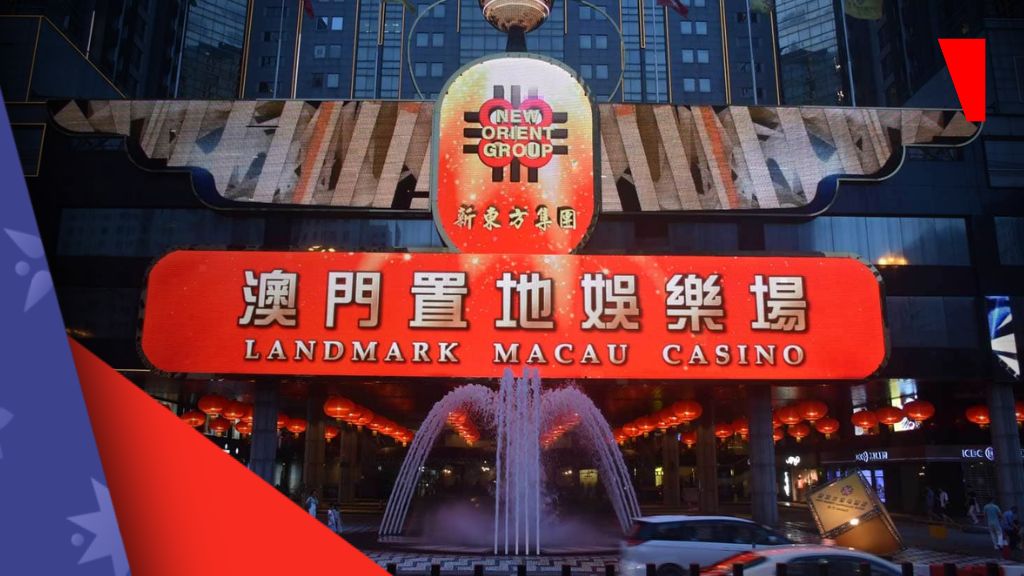
Macau has formally closed all of its existing satellite casinos. Reportedly, Macau’s Landmark Casino closed its doors at midnight on 1 January 2026, bringing an end to the city’s last remaining satellite casino and closing a long chapter in the territory’s gaming history.
The shutdown followed the expiry of a three-year transition period introduced under Law 7/2022, which overhauled Macau’s legal framework for games of fortune and set a firm deadline for the future of satellite casinos. Under the revised rules, such venues were required to restructure their business models or cease operations by 31 December 2025.
Satellite casinos were smaller gaming venues operated by third-party companies under the licences of one of Macau’s six leading concessionaires. At their peak, they formed a visible part of the city’s gaming ecosystem, particularly in older districts outside the Cotai Strip’s integrated resort clusters.
11 casinos closed, major restructuring
In total, 11 satellite casinos were affected by the regulatory changes. These venues operated through agreements with major concessionaires, including SJM Resorts, Melco Resorts, and Galaxy Entertainment. However, operators opted to close the casinos ahead of the final deadline, citing commercial considerations and the higher costs of compliance under the new regime.
Casino Grandview was the first to shut permanently, closing on 30 July 2025. Other satellite casinos followed gradually during the second half of the year, culminating in the closure of Landmark Casino. This shutdown leaves Macau without any satellite casinos for the first time in decades.
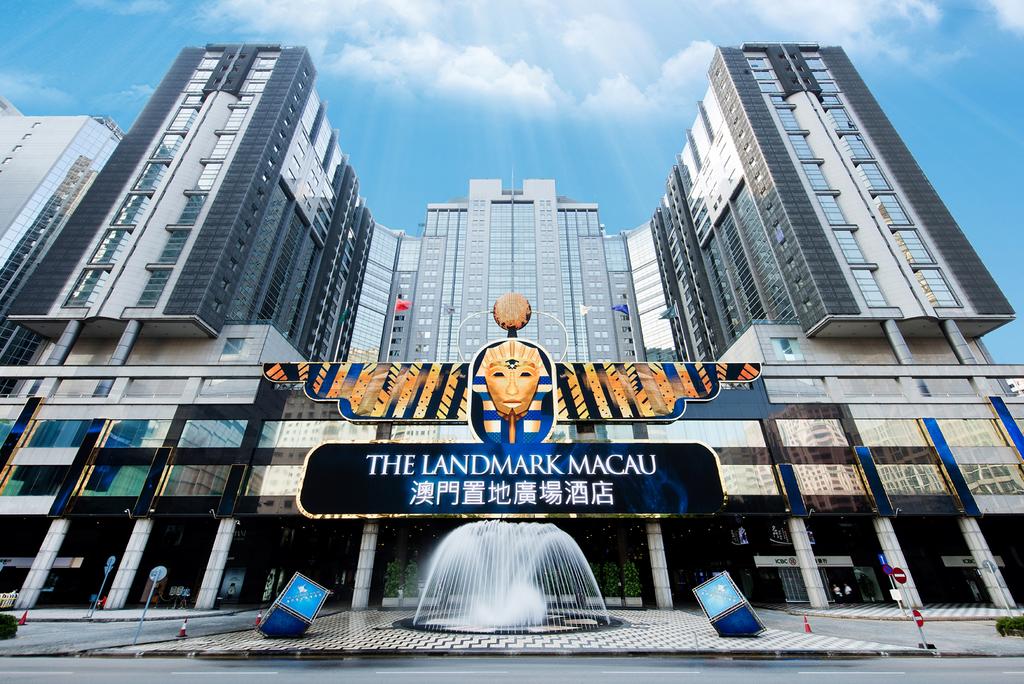
This move also marks a regulatory shift toward a more consolidated gaming sector dominated by fully integrated, concessionaire-owned resorts. Under the new framework, concessionaires are expected to assume greater responsibility for operations, compliance, and labor arrangements, while regulators tighten oversight of the industry.
Authorities have sought to reassure workers affected by the closures. Gaming operators pledged to the Macau SAR Government that displaced staff would be properly settled, either through redeployment or compensation. The Labour Affairs Bureau said it would closely monitor employment arrangements to safeguard workers’ rights and assess any wider social or economic impact.
Emphasis on diversification
The satellite casino model emerged after Macau liberalised its gaming industry in the early 2000s, following the end of the long-standing monopoly held by Sociedade de Turismo e Diversões de Macau (STDM). As new licences were issued around 2002–2003, satellite casinos provided a way for smaller operators to participate in the market under concessionaire partnerships.
Their dissolution comes at a time of renewed strength for Macau’s gaming sector. Gross gaming revenue reached MOP247.40 billion (€26.5–€27.2 billion) in 2025, up 9.1 percent year on year. December revenue rose 14.8 percent annually, marking the strongest December performance since the pandemic.
Tourism has also rebounded strongly. By late December, visitor arrivals had exceeded 39.4 million, surpassing the 2019 pre-pandemic record and reinforcing the sector’s recovery. The regulatory changes align with Macau’s broader economic strategy, including the government’s “1+4” diversification plan.
While the strategy does not directly target satellite casinos, it aims to reduce reliance on gambling by strengthening integrated tourism and leisure, alongside four new economic pillars: big health, modern finance, high technology, and conventions, exhibitions, culture, and sports.
Asia’s undisputed regional heavyweight lands in Manila, 01–03 June 2026. Backed by PAGCOR and powered by 16,000 delegates, SiGMA Asia delivers two levels of game-shaping influence. If you’re serious about the region, this is the room for you.


