


Nevis gaming licence takes shape as Premier addresses operators

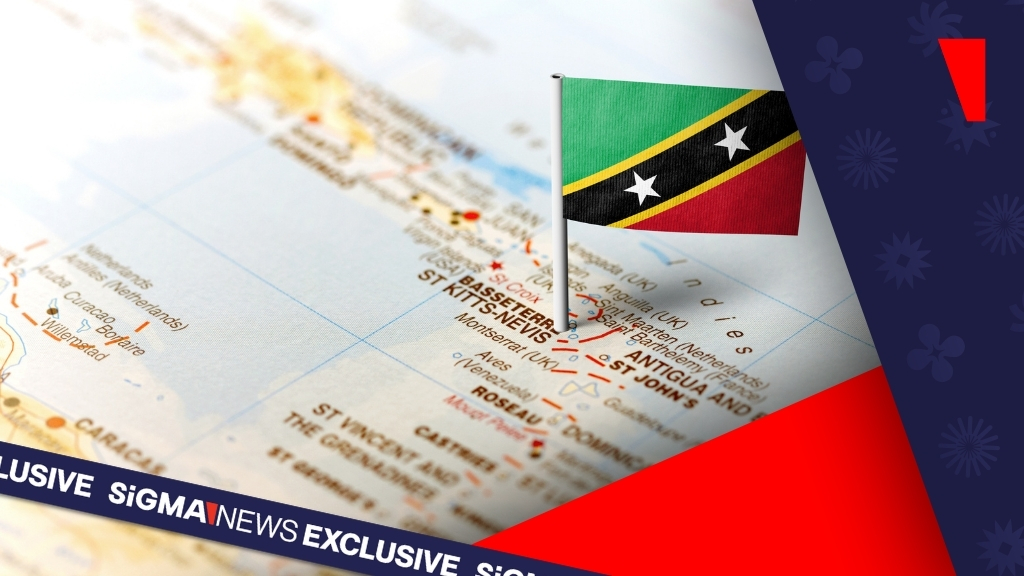
The Premier of Nevis, Mark Brantley, has made his first address to operators, inviting them to consider the island’s new gaming licence as the framework begins to take effect.
The video, which will be formally released by the Government of Nevis and the Nevis Online Gaming Authority in the coming days, signals a high-level political push behind a project that has been closely watched since the legislation came into effect on 1 July 2025.
For an industry used to long-established centres such as Malta, Gibraltar, or the Isle of Man, the entry of a smaller Caribbean island might once have passed unnoticed. However, with Curacao still navigating the turbulence of its regulatory overhaul, Brazil imposing barriers to entry with multi-million-dollar fees, and the Isle of Man ratcheting up compliance costs, Nevis has arrived at a moment when operators are actively seeking credible alternatives.
Focus on stability
Industry insiders say Nevis is pitching itself less on speed of entry and more on stability and transparency. “The main pain for operators is stability, not speed,” said licensing expert Gilad Oren. Oren argues the Nevis gaming licence is built on clarity and longevity, though it has yet to be independently tested.
The framework obliges firms to incorporate in Nevis and appoint a local reporting officer, anchoring operations to the island itself. Licensing runs through a single online portal rather than the familiar maze of emails, an attempt to streamline oversight.
By introducing these measures, Nevis aimed to reduce administrative friction, though observers stress that it is not offering the fastest or cheapest route. Instead, it emphasises clarity of requirements and a framework designed for longevity.
A market still forming
The framework took effect on 1 July, and officials are still processing the first wave of applications. With the regime less than two months old, early signs remain limited. Oren cautions that it is still “too early” to draw conclusions, noting that only in the coming months will the first wave of applicants complete the whole process. “To build a global brand takes time. It won’t happen in a month,” he said.
Anjouan’s rapid growth in the licensing market offers an obvious parallel, but Nevis is attempting to distance itself through structure and state involvement. The Premier stepped in to show that service providers are not driving this alone. The first months will show whether operators view the Nevis gaming licence as a genuine alternative or simply another experiment.
Regional contrasts
Across other markets, the regulatory picture looks far less uniform:
- Curacao: Repeated changes to rules and uncertainty for licence holders, creating frustration among service providers and operators alike. Yet the market remains one of the largest hubs for online gambling globally.
- Isle of Man: Once considered a gold standard for stability, but increasingly costly to obtain and maintain. Even so, it retains strong recognition with banks and payment providers.
- Brazil: New rules introduced this year require licence fees of around $5 million, leading to reports of operators sharing licences to manage costs. The country’s scale still makes it a magnet for major international groups.
- United Kingdom: restrictions have tightened to the point where only major groups can realistically sustain compliance burdens.
Against this backdrop, the attraction of a “clean slate” is evident. Oren noted that Nevis introduced new legislation in July, building it from scratch instead of amending old laws. This difference, he believes, makes the framework clearer for applicants.
Building credibility
Nevis is not just chasing a licence on paper. The government is making it clear this is part of a wider plan to create jobs in compliance, technology, and corporate services, while drawing fresh investment into the island’s professional life. For a small economy, even modest uptake of the Nevis gaming licence could provide meaningful revenue and employment opportunities.
Yet questions remain. With no track record, Nevis must still prove itself to regulators, banks, and partners. Its credibility will rest on clear communication, transparency, and consistent oversight.
The launch of the Online Gaming Authority’s LinkedIn page and Brantley’s video are small but meaningful steps. Nevis wants its licence to be more than just rules on paper. It is positioning it as a recognisable brand.
Regulatory experts note that new jurisdictions often face hurdles in gaining recognition from banks and payment processors, and that establishing reputational credibility in global markets can take years.
The coming months will test whether operators see enough substance to commit. The real measure will be whether Nevis can turn early interest into lasting credibility in an industry that has already exhausted its easier licensing routes.


