
PAGCOR to start 5% remittance to Philippine Sports Commission

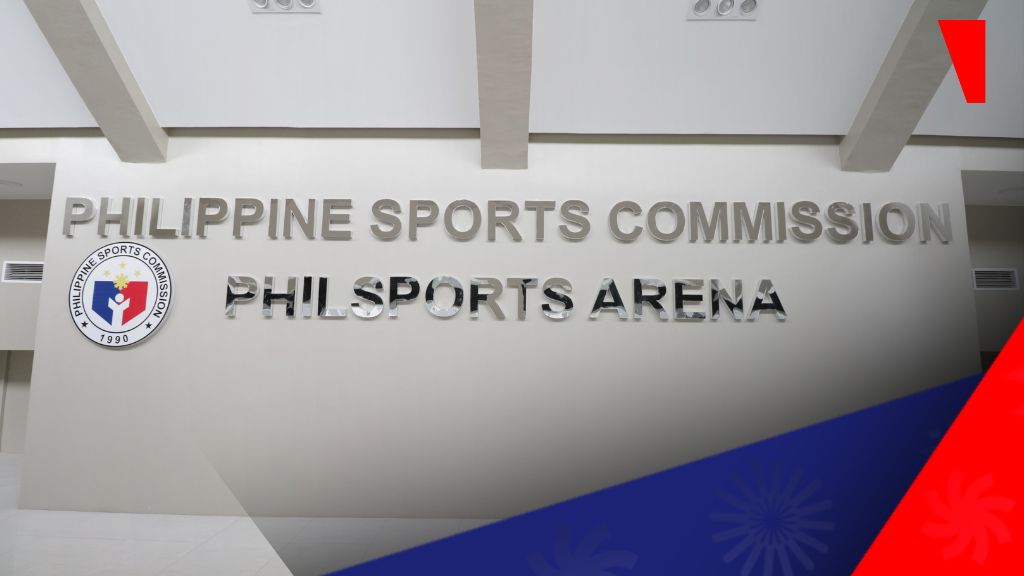
The Philippine Sports Commission (PSC) said it is set to receive the first monthly five percent remittance from the Philippine Amusement and Gaming Corporation (PAGCOR), following the Supreme Court’s October ruling enforcing the state-owned operator’s statutory obligation to fund national sports programmes.
PSC chairman Patrick Gregorio said that coordination with PAGCOR is underway and the remittance could arrive any day, marking the start of payments that have been legally mandated for decades. “The PAGCOR funds will transform our best dreams for Philippine sports and tourism into reality,” he said.
Legal foundation and historical context
The obligation of PAGCOR to remit to the PSC five percent of its gross income is specified in Section 26 of Republic Act No. 6847, which was legislated in 1990. This law created the National Sports Development Fund to which earmarked revenues, such as a specified amount from PAGCOR, money from the lottery, etc., are channelled in order to fund sports programmes for the promotion of amateur and elite sports throughout the country.

A long-standing dispute arose after an executive order in the 1990s effectively reduced PAGCOR’s contribution below the five percent statutory level. The Supreme Court addressed the matter in G.R. No. 223845 – Joseller M. Guiao v. Pagcor, PCSO, and the Office of the President. In its principal decision adopted on 28 May 2024, the magistrates ordered PAGCOR to pay the full five percent of its gross incomes, calculated after deducting the five percent it is accorded as a franchise tax, retrospective from 1993 but spread over a 10-year period.
PAGCOR’s motions for reconsideration were denied in an en banc resolution on 7 October 2025, leaving the Court’s directive intact and legally binding.
Transitioning from ruling to implementation
While the Supreme Court decision made things clear legally, the actual payments had not started. This statement by PSC indicates that the implementation date is close, and this story has moved from a judicial pronouncement to operational implementation.
PAGCOR has publicly indicated it is preparing to restart the remittance stream, including for arrears accumulated over the past years. The total obligation is estimated to be around PHP 33 billion ($563 million) to PHP 37 billion (633 million) and is to be paid out in 10 annual tranches as per the guidelines provided by the Court. The firm posted a revenue figure of PHP 106.04 billion ($1.81 billion) and a net income figure of PHP 17.47 billion ($298 million) for the full year 2025 as a background for the payment remittance.
Operational and regulatory clarity
The ruling of the Supreme Court considered the executive order that lessened the amount of PAGCOR’s remittance to be invalid if it affected the five percent allocation. It was clarified that the legislative mandate regarding dedicated public funds for sports should not be circumvented by an executive order.
With the PSC publicly signalling the start of payments, both agencies are moving into coordination and compliance mode. The Court’s instructions leave the detailed calculation and disbursement schedule to standard accounting and execution procedures, with PAGCOR responsible for accounting for arrears and future annual contributions.
Significance for sports funding
The initiation of the remittance stream signals the fruition of decades-long legal and financial processes. The funds are set to be used to finance national sports development, providing stable financing to amateur, elite, and grassroots sports programmes falling under the PSC mandate.
Following the Supreme Court ruling, the Philippine Sports Commission (PSC) issued payments in February 2026 to fund sports under the law, addressing funding delays noted in previous government reports.
Manila’s calling and it’s not whispering. From 01 to 03 June 2026, SiGMA Asia returns to the undisputed regional heavyweight. With 16,000 delegates, 3,040 operators, and 250+ speakers under one roof, this isn’t just an expo. It’s ignition!


