


SiGMA Magazine: Can the gaming industry lead a true culture shift toward responsibility?

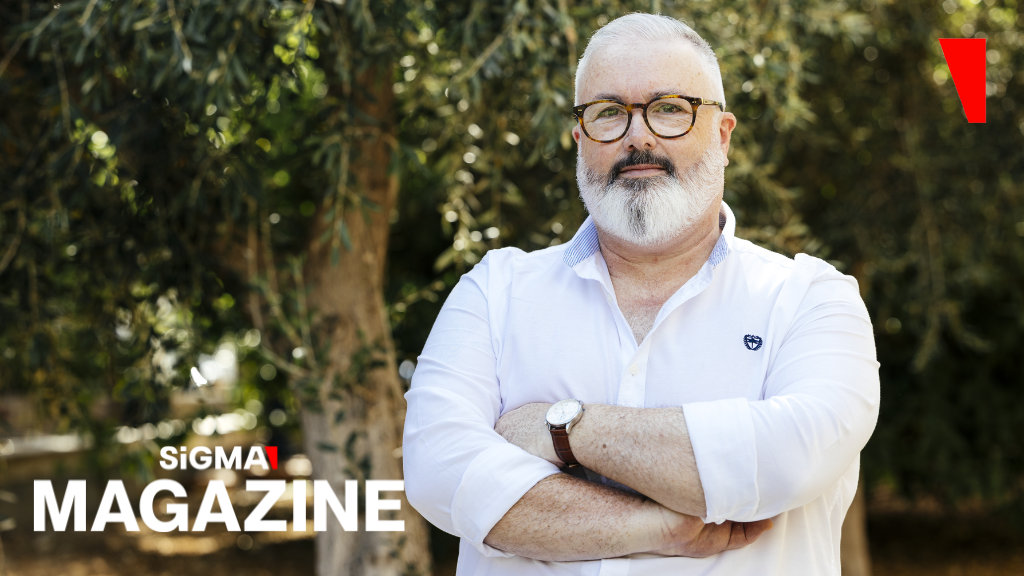
Kevin O’Neill, General Manager of the Responsible Gaming Foundation (RGF), is the subject of a feature in SiGMA Magazine Issue 34, which came out in conjunction with SiGMA Euro-Med this past September. This conversation explores the real changes needed to move the gaming industry in a more responsible direction and the principles guiding the RGF. The full feature that follows, unpacks Kevin’s approach to leadership and the mindset shift needed to further responsibility in the industry.
Ethics over optics
For Kevin O’Neill, Responsible Gaming is a culture. And transforming that culture, he insists, must start from within, requiring a major mindset shift that “moves from simply going through the motions, to a deliberate focus on embedding ethical principles and genuine care for players’ well-being.”, he explains.
This change has to come from leadership. When leaders prioritise integrity and dignity over short-term profits, it sends a message that protecting players is a core value. That mindset, O’Neill says, will “undoubtedly trickle down, cultivating an environment where protecting players is not merely a regulatory obligation, but a fundamental principle.”
He’s clear that this starts with a strong ethical vision embedded in the organisational DNA through mission statements, codes of conduct, and strategic goals. However, actions ultimately speak louder. “Leaders must model ethical behaviour, consistently demonstrating integrity, transparency and accountability,” he explains.“Changing a culture from within requires courage and commitment to values that go far beyond profit.”
The tick-box trap
While the industry has made strides, “Some operators still regard RG compliance as a burdensome duty, a mere administrative hurdle to leap over,” O’Neill says.
However, this mindset is outdated. As expectations rise, O’Neill sees clear benefits in taking a more player-focused approach. “Adopting a genuinely player-centric approach gives significant strategic and commercial advantages. Reframing RG from a regulatory obligation to a strategic opportunity”, he argues.
Emerging evidence shows that well-supported players are more likely to engage sustainably, which leads to more dependable revenue streams. Rather than chasing big spenders, he encourages focus on “high-value players who engage responsibly and remain loyal over time. This approach not only enhances brand integrity but also promotes financial and operational sustainability.”
Marketing with integrity
O’Neill points to three core challenges facing operators, “The biggest obstacles operators face when trying to balance strong marketing and competitive promotion with responsibility largely centre around three key areas: commercial pressure, regulatory complexity and consumer expectations.” Aggressive advertising might drive short-term gains but risks undermining public trust.
With global regulations shifting rapidly, tailoring messaging for each market adds complexity. Still, he believes an operator’s success is built on integrating responsibility into every level of marketing strategy, “The most successful operators are those who embed responsibility into the very core of their brand identity… By prioritising long-term trust and player protection, they can achieve sustainable growth and contribute to a healthier gaming environment.”
Real support
Although tools like self-exclusion are essential, O’Neill sees them as only one part of the picture. “While self-exclusion tools are an important safety net, true support for player well-being requires operators to adopt a much broader, more proactive approach.” That includes early intervention systems, personalisation and even game design that promotes moderation.
He urges companies to centre their efforts on care “We believe operators should focus on nurturing a culture of care that goes beyond compliance and truly centres on the person behind the player.”
He also emphasises the value of partnerships with healthcare professionals, NGOs and local organisations to tackle gambling risks at the societal level. “By normalising conversations around gambling harm and investing in education and prevention initiatives, they can help reduce stigma and empower players to make informed choices,” he says.
Aligning RG and ESG
As ESG reporting becomes standard across industries, O’Neill sees Responsible Gaming as an obvious fit. “I firmly believe that Responsible Gaming should be considered an essential pillar within any operator’s ESG strategy as a fundamental expression of social responsibility and ethical business practice.”
He calls for measurable, public targets and transparent communication. “Operators should establish clear, evidence-based targets for issues such as reducing gambling-related harm, enhancing early detection and intervention systems, and supporting vulnerable players. These commitments must be tracked and publicly disclosed through sustainability reports, much like environmental impact metrics.”
For smaller operators unsure where to begin, O’Neill’s advice is to start with values and build from there. “Resist the temptation of placing profits before players,” he says. “Ensure that RG principles are infused into the very DNA of the organisation… provide regular and accessible staff training, ensure that responsible gaming messaging is visible and straightforward, and make RG tools easy for players to find and use. Even simple measures, when applied consistently, can have a significant impact.”
Above all, he shares a clear reminder that “in today’s world, true success is measured not only by profit margins but by the integrity and responsibility with which you operate.”
A shared future
O’Neill sees transformation being driven by better data, evolving societal attitudes and greater collaboration between stakeholders in the future.“I hope that by facilitating a more compassionate and evidence-led culture, we can ensure that responsible gaming becomes an integral and natural part of the gaming experience.” Ultimately, the next era of gaming will not be defined by regulation, but by responsibility, built into every decision from the ground up.
Stay tuned for Issue 35 of SiGMA Magazine, which will be released in conjunction with SiGMA Central Europe 2025 in Rome from 03 to 06 November.


