


South Africa’s SABA flags offshore gambling sites for taking $2.9bn

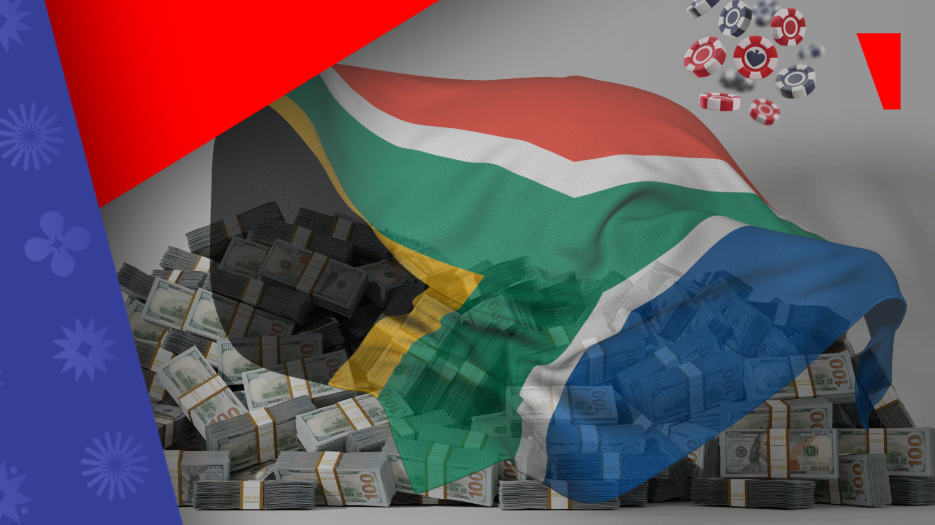
According to the South African Bookmakers’ Association (SABA), illegal online gambling is now draining South Africa’s economy of more than R50 billion (2.9 billion) a year. Unlicensed offshore operators reportedly account for nearly two-thirds of all online gambling activity in the country.
On 11 November, the South African Bookmakers’ Association (SABA) warned that illegal online gambling has reached crisis levels. The association said the situation threatens consumers, legitimate operators, and the broader economy.
Unlicensed operators evade taxes and regulations
“These illegal operators pay no local taxes, contribute nothing to responsible gambling programmes, have no enforceable self-exclusion mechanisms, and pose serious risks to vulnerable players. Every rand spent on these offshore sites is money that leaves the South African economy, undermining jobs, tax revenues, and community investment supported by the legal betting industry,” SABA stated.
According to the Yield Sec South Africa 2023/24 Report, commissioned by SABA, around 62% of all online gambling activity in South Africa now takes place on illegal platforms. By contrast, only 38% of activity is handled by licensed, regulated local operators.
The findings have raised alarm among industry stakeholders and regulators, who fear that the growing dominance of offshore operators could destabilize the country’s regulated iGaming environment.
Offshore jurisdictions and weak oversight
SABA also indicated that most of these illegal gambling platforms operate in offshore regions such as Curacao, Malta, Gibraltar, as well as the Philippines. SABA referred to these regions as offering “pseudo-licenses” that have very little regulation.
These offshore operators are known for using aggressive marketing tactics to target South African players, often presenting themselves as legitimate betting platforms. They operate beyond the reach of South African regulators, making enforcement and player protection difficult.
Exploiting local payment systems
SABA’s report further highlighted that local payment systems, including bank transfers, EFT gateways, and credit card processing through third-party payment providers, are frequently exploited by these illegal operators.
Such systems enable them to facilitate transactions despite explicit prohibitions under the National Gambling Act (2004). Sections 8 and 11 of the Act make it unlawful to offer or participate in unlicensed gambling activities.
SABA has urged regulators, financial institutions, and the government to take more decisive action to block these transactions and shut down illegal payment channels.
Economic and social impact
Industry experts warn that the unchecked rise of offshore gambling is draining significant funds from the South African economy. With R50 billion ($2.9 billion) leaving the country each year, the impact on tax revenue, employment, and community projects is severe.
Legal operators also fear that ongoing losses will discourage future investment in South Africa’s licensed iGaming sector. Without decisive enforcement, the regulated market could struggle to compete against illegal alternatives offering no tax or compliance obligations.
Call for coordinated action
SABA’s findings highlight the urgent need for coordinated intervention from regulators, banks, and law enforcement agencies. The association maintains that curbing offshore gambling requires more substantial penalties and stricter financial monitoring to protect the integrity of the country’s betting industry.
The iGaming sector remains one of South Africa’s fastest-growing digital markets, but its sustainability now depends on eliminating illegal operators draining the economy and undermining legitimate businesses.
The world’s fastest-growing iGaming market meets in Colombo, 30 Nov – 02 Dec 2025. SiGMA South Asia unites over 5,000 delegates, 100+ speakers, and 850+ affiliates in the heart of a $7.5 billion market. This is where new markets unlock new horizons. Don’t miss it.


