


South Dakota online sports betting plan stalls in House

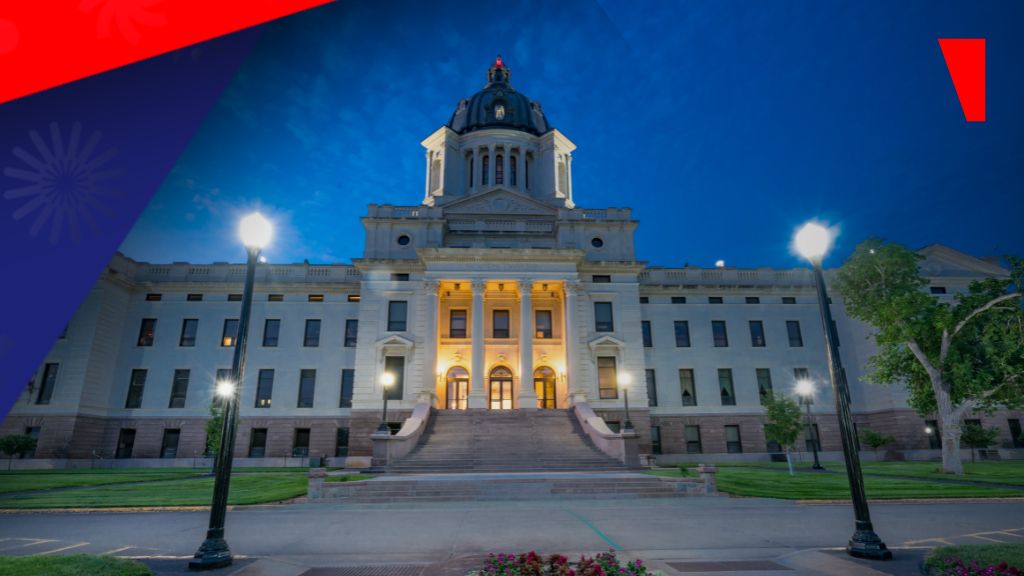
South Dakota’s push for online sports betting has stalled after the House State Affairs Committee voted against advancing Senate Joint Resolution 504 (SJR 504), leaving the measure on hold for now. Although some consider this to be the end of the effort, political setbacks do not always mean that an issue is settled.
The state has had a cautious gambling history, first outlawing games of chance under the constitution and then permitting a few exceptions, such as Deadwood casinos and the video lottery system. Voters authorised sports betting in 2020, but only for wagers placed in person at Deadwood casinos. Even as neighbouring states expanded access through apps, that compromise did not include mobile betting, which led to continued pressure for change.
Legislative showdown
During a hearing before the House State Affairs Committee, SJR 504 was narrowly defeated by a 7–6 vote. Members declined to amend the bill before the vote, and afterward the committee deferred it beyond the session’s final day on an 11–2 split, a move that effectively ended the resolution’s progress for now.
Committee Chair Rep. Scott Odenbach explained his opposition, saying he supports gambling in Deadwood but is concerned about the impact of mobile betting. He argued that online access could reduce tourism to Deadwood and increase gambling addiction by making betting available at any time. For him, expanding beyond physical casinos crossed a line in South Dakota’s cautious approach to gambling.
Arguments in favour
Proponents of SJR 504 contended that South Dakota might generate up to $5 million in tax revenue per year from mobile sports betting. Concerns about property taxes, a topic that has long been debated in the state, may be addressed with the help of this funding, according to certain legislators.
Supporters also pointed to the growing competition from nearby Iowa, where many South Dakotans are already placing legal mobile bets — and taking their tax dollars with them across the border. They contended that the state would lose out on such revenue if legalisation didn’t occur. Concerns regarding the growth of unregulated, offshore sportsbooks were also voiced by some, who pointed out that a legal framework would enable South Dakota to regulate gambling, collect taxes, and provide stronger consumer safeguards.
Industry support
Industry voices backed SJR 504 as well, emphasising that sports betting is already happening, just not in a regulated environment. Caleb Arceneaux of the Deadwood Gaming Association supported the measure, saying that bringing betting under state oversight would ensure the safeguards and accountability that are currently lacking.
John Pappas from GeoComply presented data showing 1.6 million geolocation checks from 55,000 accounts in South Dakota attempting to access legal sportsbooks in other states. Supporters pointed to this as evidence of strong demand that is currently unmet within the state.
Some tribal leaders raised concerns about SJR 504, not because they opposed online sports betting outright, but because they wanted clearer guarantees of inclusion. Frank Star Comes Out, president of the Oglala Sioux Tribe, opposed the resolution in its current form but said the tribe would support it with amendments.
What happens next?
The South Dakota House State Affairs Committee voted against advancing SJR 504, a measure that would have expanded sports betting in South Dakota, meaning it will not appear on the November ballot. Although the resolution has been put on hold for the time being, advocates think that parts of it might come up again in later sessions, possibly through changes that address tribal involvement or provide more robust consumer protections.
Don’t just read the news — stay ahead of it. Subscribe HERE to SiGMA’s Top 10 News countdown for stories shaping iGaming’s future, weekly insights from the world’s biggest iGaming community, and exclusive subscriber-only offers.


