


Sri Lanka stakes big: Could this be India’s Macau? - Part II

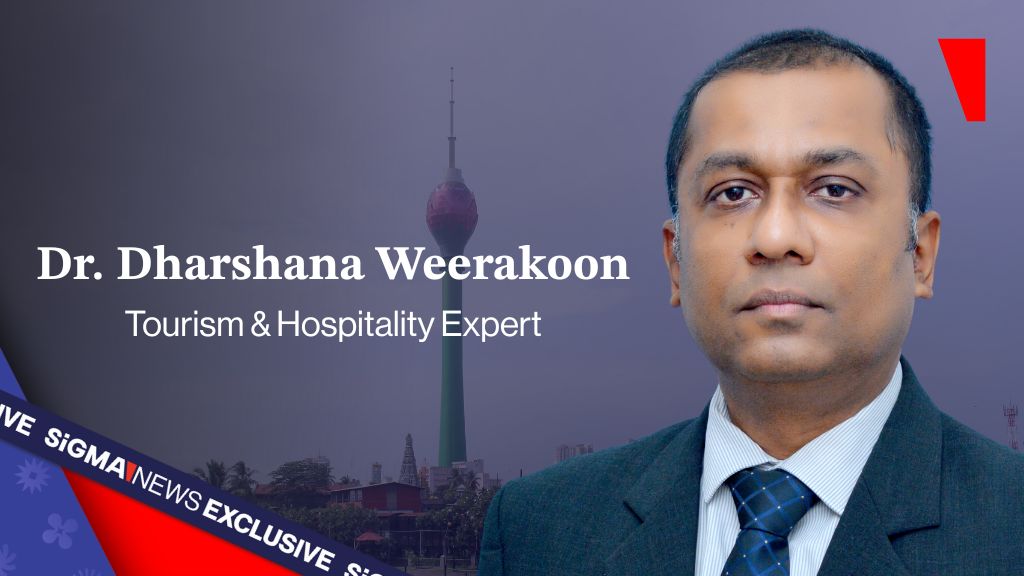
Sri Lanka is strengthening its position in South Asia’s luxury tourism and gaming sectors, targeting high-value international travellers while balancing social and economic interests. Driven by new integrated resorts and an expanding iGaming industry, the country is working to broaden its tourism offerings beyond beaches and cultural attractions to compete with regional destinations such as Singapore, Macau, and Manila.
In the first part of this exclusive SiGMA News series, tourism and hospitality expert Dr. Dharshana Weerakoon explained how integrated resorts are reshaping Sri Lanka’s tourism sector. He discussed the opportunities and challenges of positioning Sri Lanka as a ‘Macau for India,’ emphasising the importance of a balanced strategy that combines luxury, culture, and wellness to create a sustainable and attractive tourism offer.
In this second part, we delve deeper into the practical aspects of developing Sri Lanka into a global luxury and gaming hub. Dr. Weerakoon discusses balancing economic gains from casinos with responsible tourism, the effect of higher entry fees on foreign visitor focus, the role of integrated resorts and iGaming in attracting high-value tourists, and the conditions needed for Sri Lanka to develop as a luxury and gaming hub.
SiGMA News: How important is it for Sri Lanka to balance economic gains from casinos with responsible tourism practices and social perceptions?
Tourism & Hospitality Expert Dr. Dharshana Weerakoon: The balance is crucial. Tourism cannot thrive without community acceptance. If casinos are seen as eroding social values or creating inequalities, the backlash could outweigh economic benefits. That is why responsible tourism practices, such as education campaigns, entry restrictions, counselling support, and reinvestment into community programmes, are non-negotiable. Equally important is public perception. Sri Lanka must avoid being seen as a “casino island” and instead position integrated resorts as part of a wider luxury, cultural and wellness portfolio. Responsible tourism is not just about regulation; it is about protecting the country’s long-term brand equity.
SiGMA News: Do you expect higher entry fees to reshape the casino sector into a more foreign visitor–focused model, and what does that mean for Sri Lanka’s brand as a destination?
Dr. Weerakoon: Yes, higher entry fees will inevitably reshape the market towards international travellers. This transition is not negative; it aligns with Sri Lanka’s broader need to generate foreign exchange and reduce dependency on volume-driven domestic tourism. By focusing on high-value visitors, Sri Lanka can cultivate a brand identity of exclusivity, sophistication, and world-class experiences.
The danger lies in allowing the sector to dominate branding. Instead of being known simply as a casino hub, Sri Lanka should highlight integrated luxury, with gaming as one part of a larger story that includes pristine beaches, rich heritage, Ayurveda, and world-class hospitality. This is the model that sustains long-term brand strength.
SiGMA News: Post-crisis, tourism is seen as a cornerstone of Sri Lanka’s recovery. How significant can integrated resorts and casino tourism be in stabilising foreign exchange and boosting GDP?
Dr. Weerakoon: Integrated resorts and casino tourism can play a pivotal role in stabilising foreign exchange. Unlike seasonal beach tourism, gaming attracts year-round business, often from high-spending segments less influenced by seasonality or price sensitivity. Resorts also generate significant foreign direct investment, which has spillover effects across construction, supply chains, and employment.
For GDP, the impact is twofold: direct contributions from gaming revenues and indirect contributions through job creation and support for ancillary businesses. While it will not replace traditional forms of tourism, casino and integrated resort tourism can act as a stabiliser, providing a reliable cash flow that supports recovery during downturns.
SiGMA News: In your opinion, how can integrated resorts together with the emerging iGaming sector help Sri Lanka shift from a volume-driven to a value-driven tourism model focused on high-yield visitors?
Dr. Weerakoon: The future of global tourism is value-driven. Countries that continue chasing visitor numbers without focusing on yield are often left vulnerable to over-tourism and low margins. Integrated resorts attract high-yield visitors who spend more on accommodation, dining, entertainment, and shopping. The emerging iGaming sector adds another dimension: digital, borderless, and appealing to younger, affluent, tech-savvy travellers.
If properly regulated, Sri Lanka can position itself as a pioneer in blending physical integrated resorts with digital iGaming platforms. This combination creates a hybrid value chain that goes beyond traditional tourism metrics, focusing on lifetime visitor value rather than short-stay numbers. The shift from volume to value requires vision, with integrated resorts serving as the anchor for that transition.
SiGMA News: Do you believe Sri Lanka has the potential to position itself as the main hub for gaming and luxury tourism in Asia, and what conditions need to be in place for that to happen?
Dr. Weerakoon: The potential is real, but conditions must align. First, there must be regulatory clarity: transparent policies that attract investors while safeguarding communities. Second, infrastructure must improve, including efficient airports, streamlined visas, and world-class transport connectivity. Third, Sri Lanka must invest in branding—not as “Asia’s gaming capital” but as a distinctive hub that fuses gaming, culture, and luxury with a sustainable edge.
Competing with Macau or Singapore head-on would be a mistake. Instead, Sri Lanka should carve a differentiated identity, becoming an island that blends entertainment with nature, culture, and wellness. If these conditions are met, Sri Lanka can emerge not just as another player in Asia’s gaming map, but as a truly unique luxury and lifestyle hub.
SiGMA News: If you were advising policymakers today, what three priorities would you recommend to make Sri Lanka a world-class luxury and gaming tourism hub?
Dr. Weerakoon: The three pillars that will determine whether Sri Lanka becomes a true global player or remains a niche experiment are regulation, infrastructure, and branding:
- Regulatory vision: Establish clear, investor-friendly but socially responsible frameworks for gaming and iGaming. Without transparency and accountability, investment will stall.
- Infrastructure and human capital: Upgrade airports, streamline visa processes, and invest heavily in training Sri Lankans for management, culinary, entertainment, and digital roles. Human capital is as important as physical infrastructure.
- Brand strategy and diversification: Market Sri Lanka as more than gaming, positioning it as a holistic luxury hub where casinos are part of a wider experience that includes heritage, Ayurveda, culinary arts, and sustainable tourism.
Colombo’s ready for South Asia’s premier iGaming summit. Join 5,000+ delegates at SiGMA South Asia, 30 Nov – 02 Dec 2025. Network, scale, and grow in one of the world’s fastest-rising markets, where new markets meet new horizons.


