


UK Government consults on Gambling Commission fee increase

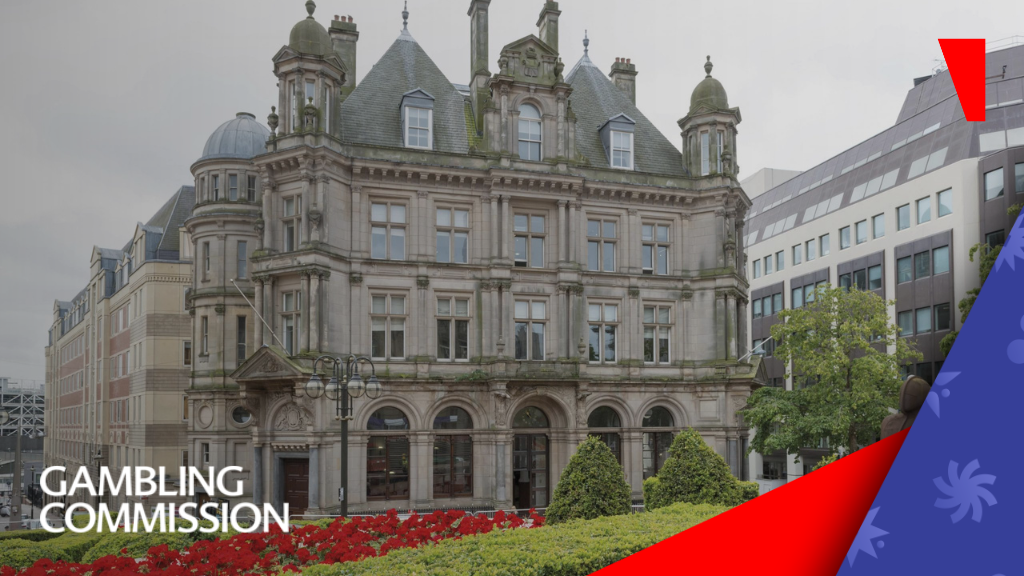
The UK government has launched a consultation on proposed changes to the fees charged by the Gambling Commission, a move that could see gambling operators paying more each year to remain licensed in Great Britain.
The fees in question are paid annually by licensed operators as part of holding a Gambling Commission licence. The consultation, published by the Department for Culture, Media and Sport (DCMS), sets out proposals to adjust the annual licence fees that fund the regulator. Responses are open until 29 March 2026, with any approved changes expected to take effect from 1 October 2026.
In practical terms, the government is reviewing whether those annual fees should rise, and how any increase should be structured.
What the consultation proposes
The DCMS has outlined three options, all of which would result in higher annual licence fees for operators. Because operators do not all pay the same annual fee, the proposed increases do not apply to one standard baseline. According to the consultation annexes, current fees vary by licence type and revenue band: for example, remote casino fees currently range from £4,199 to £793,729-plus, while society lottery annual fees range from £400 to £8,350.
- Option one would increase licence fees by an average of 30 percent.
This would raise the most money for the regulator and represents the largest increase under consideration. - Option two proposes a lower average increase of 20 percent.
This option still delivers additional funding, but with a smaller impact on operators. - Option three, which the government has identified as its preferred approach, combines a 20 percent increase with an additional 10 percent uplift.
This uplift would be directed towards tackling illegal gambling and protecting the regulated market.
According to the DCMS, the preferred option is to strike a balance between securing sustainable funding for the regulator and ensuring that part of the increase is linked to responsible gaming measures.
How the fees would be applied
Not all operators would be affected in the same way.
Under the proposals, licence fees would be adjusted to better reflect an operator’s size, market presence, and regulatory risk. In practice, this means larger operators, or those that require more regulatory oversight, would generally pay more than smaller or lower-risk businesses.
Some licence types, including Society Lotteries and General Betting Limited licences, would still see flat percentage increases. Others would move into updated fee bands designed to better reflect how the gambling market looks today, rather than how it looked when the current structure was last set.
The government has stressed that even under the highest proposed increase, total licence fee income would still represent a relatively small share of overall gambling revenues.
Why more funding is needed
The Gambling Commission has warned that its current funding levels are under strain.
Its workload has expanded in recent years, particularly in areas such as enforcement, compliance monitoring, and efforts to disrupt illegal gambling websites targeting UK players. The regulator is also responsible for delivering reforms linked to the ongoing review of the Gambling Act.
According to the consultation, without higher licence fees the Commission’s financial reserves could fall close to minimum levels within the next financial year. The DCMS argues that raising fees is necessary to ensure the regulator can continue to operate effectively.
Alongside the proposed fee changes, the government has already committed £26 million in additional funding over three years to support enforcement against illegal gambling. Higher licence fees are being positioned as a longer-term solution.
The timing matters
The consultation is landing at an incredibly sensitive moment for the industry. In the 2025 Autumn Budget, the UK government announced major gambling tax increases, including a sharp rise in Remote Gaming Duty from 21 to 40 percent. These changes have already prompted some operators to cut costs or rethink the scale of their UK operations.
Against that backdrop, proposed increases to Gambling Commission licence fees are being viewed by many operators as another cost layered onto an already tougher tax environment.
Industry concerns
Early reaction has emerged through media commentary and political debate rather than formal consultation responses. Trade bodies such as the Betting and Gaming Council have previously warned that rising costs, if not carefully balanced, risk undermining the competitiveness of the licensed market.
Supporters of the proposals argue that a well-funded regulator is essential to protect consumers and prevent illegal operators from gaining ground.
The consultation remains open until late March, after which the government will decide whether to proceed via secondary legislation. For operators already adjusting to higher taxes, the outcome will be another sign of how the UK intends to regulate and fund its gambling market going forward.
Join the world’s biggest iGaming community with SiGMA’s Top 10 News countdown. Subscribe HERE for weekly updates, insider insights, and exclusive subscriber-only offers.


