


UK horseracing tax plan risks 65% black market shift, APPG warns

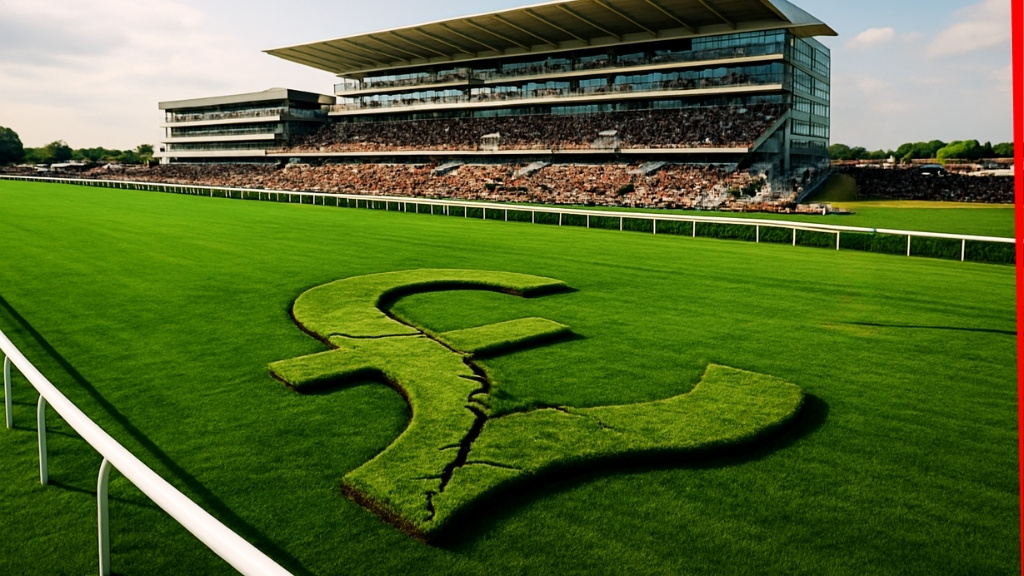
British horseracing could lose £40 million (€47 million) annually under a new UK horseracing tax proposal that MPs warn could “wreck” one of the UK’s most iconic industries. A new report from the All-Party Parliamentary Group (APPG) for Racing and Bloodstock has sounded the alarm over government plans to introduce a single Remote Gambling Duty, a change described as a “racing tax in disguise.”
The government plans to replace the current three-rate system for online gambling with a single rate. Under the new structure, it will tax horseracing bets at the same level as online casinos and slots. However, unlike digital casino products, which operate with higher margins and lower costs, horseracing operates with fundamentally different economics, characterised by higher operating costs, reliance on real-world infrastructure, and a symbiotic link to the Horserace Betting Levy, which funds the sport.
This isn’t just another gambling product. British racing relies on real-world costs, live infrastructure, and a funding ecosystem tied to the Horserace Betting Levy. Its structure is physical, not digital. That changes everything. It also employs thousands in rural communities and plays a central role in Britain’s cultural identity, a role that digital-first casino products cannot match.
A perfect storm threatens racing’s survival
The APPG identifies what it calls a “triple threat” to the sport’s future. The UK horseracing tax forms the first prong of the attack, but it’s compounded by two other critical issues: delayed reform to the Horserace Betting Levy and the blunt rollout of affordability checks that have already triggered a £1.6 billion (€1.9 billion) fall in betting turnover.
“This is really serious,” said Conservative MP and APPG co-chair Nick Timothy.
“The pasty tax saga will look like a trifle compared to this. It’s a mad proposal that would end up wrecking racing.”
The timing couldn’t be worse. While operators face tighter margins on horserace betting, which already carries higher operational overheads than online gaming, affordability checks have simultaneously driven responsible punters away from licensed operators. Some are now shifting to the gambling black market, where operators pay no levy and provide minimal consumer protection.
These pressures are cumulative, not isolated. Together, they’re bleeding the sport from both ends, draining margins and eroding bettor engagement.
UK horseracing tax economics don’t add up
Under the current system, UK racing receives just 3 percent of the £13 billion (€15.3 billion) in annual betting stakes, a levy that is already lower than that of rival nations such as France and Australia, where racing commands 5-7 percent of betting turnover. The proposed UK horseracing tax threatens to strip another £40 million from an industry that supports 85,000 jobs, many rooted in rural communities, and contributes over £4 billion (€4.7 billion) to the economy annually. This comes even as new funding, like the £759,000 secured by the Horseracing Industry People Board, is being channelled into workforce welfare.
Take Newmarket, the headquarters of flat racing. The town’s economy revolves around training yards, stud farms, and the racecourse itself. The area employs thousands of people directly in racing, from stable staff to veterinarians, with many more jobs depending on the industry’s success. Similarly, Cheltenham’s festival generates £100 million (€118 million) for the local economy each year, supporting hotels, restaurants, and numerous local businesses across Gloucestershire.
The APPG warns that this would weaken the core funding model of racing: the Horserace Betting Levy, which accounts for hundreds of millions of pounds in prize money, veterinary research, and rural jobs. The report notes that UK racing already receives a lower share of betting turnover than rival nations, and the risk is that Britain’s competitive edge will slide further.
The danger is cyclical. As operators move toward higher-margin casino products, racing’s levy income declines. That starves prize money, veterinary research, and rural jobs, triggering a downward cycle of disinvestment and disengagement. As explored in a recent SiGMA News article on the future of horse welfare in British racing, these shortfalls threaten not only the sport’s financial health but also its long-term commitment to equine care, scientific research, and rural infrastructure.
Industry fights back against ‘one-size-fits-all’ approach
Racing’s unique position sets it apart from other gambling verticals. It’s Britain’s second-largest spectator sport, a major rural employer, and part of the country’s cultural identity, none of which applies to digital-first casino products. Public opinion reflects this distinction: a majority of those polled view horseracing as vital to towns like Doncaster, Newmarket, and Cheltenham, with over half wanting gambling firms to be required by law to reinvest in the sport.
“We are talking about a national asset,” said Labour MP and co-chair Dan Carden.
“We need to back British racing, not burden it.”
The Betting and Gaming Council echoed these concerns, with Chief Executive Grainne Hurst warning that the UK horseracing tax proposal could “wreck racing” and drive players to unregulated platforms. “It would be a self-defeating move that harms the Treasury’s own growth goals,” she said.
The risk is a domino effect. “If horserace betting becomes less viable for licensed operators,” said acting British Horseracing Authority chief Brant Dunshea, “they will naturally shift their focus to higher-margin verticals. The consequence is less funding for racing and a greater emphasis on more addictive forms of gambling. That’s not a win for anyone.”
Turnover is already down, and affordability checks haven’t stopped harmful play. Instead, they’ve driven responsible bettors to the black market. The APPG argues that the checks have missed those most at risk while punishing responsible bettors, many of whom are turning to the black market.
Industry leaders are sharpening their message, and now it’s up to Westminster to act, or stand by as the fallout unfolds.
The political decision that will define racing’s future
The consultation period runs until 21 July 2025, giving Westminster limited time to recognise racing’s special circumstances. The APPG’s report, titled “Securing Racing’s Future,” presents the issue as a clear political choice: reform the system with nuance, or force racing to run a race it may not survive.
Unless racing is recognised for what it truly is – an ecosystem stitched into Britain’s cultural and rural fabric – the blunt blade of a single-rate tax could cut too deep. Industry voices are pleading for an exemption, or at least mercy in the form of a reduced rate. They point to successful models in Ireland and France, where governments have recognised racing’s distinct needs with tailored tax structures that support rather than undermine the industry.
A Treasury spokesperson stated that the consultation was designed to simplify tax structures, not raise rates, and confirmed engagement with stakeholders across the sector. However, the racing industry argues that the UK horseracing tax simplification shouldn’t come at the cost of an entire sporting ecosystem.
The APPG’s message is blunt: treat horseracing like roulette, and the whole structure could collapse. SiGMA News explored how both the UK and the U.S. are trying to modernise horse racing without pulling up the very roots that keep the sport alive.
The stakes couldn’t be higher
“A one-size-fits-all approach to tax doesn’t work,” the APPG report concludes.
“Without recognition of horseracing’s unique position, the UK horseracing tax proposals risk doing lasting damage, not just to the sport, but to the livelihoods, towns and traditions that depend on it.”
As the consultation deadline approaches, the choices couldn’t be clearer. Reduce horseracing to a roulette spin and unravel centuries of heritage, or recognise that some traditions are worth preserving, with strong economic arguments supporting their protection. Westminster must now decide whether British racing thrives or fades into a shadow of what it once was.


