


Why iGaming talent wants a 'mind-mate,' not a bean bag

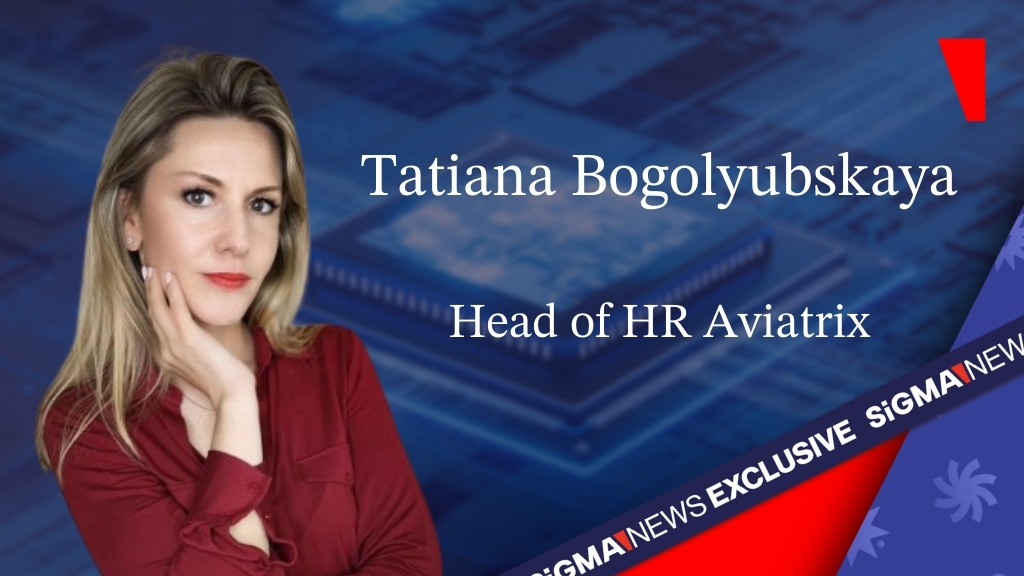
Rooftop parties raise a smile. They do not keep a team. Today, people want a mind-mate at work. When the values do not fit, the beanbags backfire. Tatiana Bogolyubskaya has seen that shift up close. Over 15 years, she’s built talent strategies at PokerStars, Flutter International, and now leads HR at Aviatrix. Her verdict is candid. The future of iGaming talent retention will not be shaped by perks or pay rises. It is not what you give, it is how you give it.
In an exclusive SiGMA News feature, Tatiana tells us why the next era of iGaming talent retention will be defined by trust, culture, and purpose, not beanbags or beer Fridays.
The mind-mate economy
The old playbook of perks has lost its power. Companies once used benefits to create belonging, but belonging cannot be manufactured.
“Let’s see firstly what these activities are meant to achieve,” says Tatiana. “They are usually introduced by companies to create, maintain and enhance a sense of belonging and pride that you belong to the company, which provides all these beanbags, gyms, rooftop parties and so on.
“Each employee, however, will have their own sense of belonging stimulated differently. There will never be one-size-fits-all.”
Today’s employees aren’t looking for universal incentives. They’re looking for a purpose that matches their values. That shift defines the new landscape of iGaming talent retention. People now look for connection, not gimmicks.
“Ultimately, employees look for a so-called ‘mind-mate’ at work,” she adds. “That mind-mate should share the same fundamental values and have a core outlook on things which make communication interesting and stimulating. If incentives do not reflect employees’ vision of what kind of work culture they belong to, those rewards will be perceived as unnatural and will backfire.”
Tatiana believes this is the heart of the problem.
“It is not about what you give to employees, it is about how you give it.”
“Sometimes it would even result in giving less but qualitatively differently, which in turn will enhance transparency and trust, thus loyalty.”
Why iGaming is still a self-made industry
Few industries are as self-taught as iGaming. Many of its most technical roles did not exist twenty years ago, and most still lack a traditional academic path.
“Here I would like to mention one iGaming specific,” Tatiana explains. “There are many iGaming jobs that you cannot reach through a dedicated higher education institution, especially when it comes to poker.
“You do not get a degree in Poker Game Integrity Specialist anywhere.”
“This automatically brings focus to the self-made culture, which invites and rewards individuals who can be self-made with all the attributes that go into it.”
That self-made mindset shapes loyalty. To keep these employees, companies must understand what drives them. “Let’s analyse what drives those individuals and build engagement around that segment of employees,” she says.
For Tatiana, retention begins with recognising what makes self-made employees thrive. They are ambitious, independent, and expect growth opportunities that match their effort.
This self-made culture creates a strategic dilemma: when the industry pivots, do you invest in the people you have or bring in new skills?
When asked about hiring versus upskilling, she is clear that both matter. “It is about determining which skills are already in place that are unique on the market and seriously valuable to the business needs.
“Develop those employees and invest in their growth. At the same time, analyse which skills are required or will soon be required but are scarce. Hire those skills externally.”
While iGaming has long rewarded independence and adaptability, this self-made culture has also forced companies to think harder about career structure. Operators are increasingly mapping clearer internal pathways to keep that ambition anchored. The logic is simple. When driven, people can see their next step. Keeping them stops being a challenge of loyalty and becomes one of opportunity.
From authority to authenticity: The Gen Z effect
Younger professionals are changing the rules. Gen Z employees are happy to ask for what they want and leave when leaders fail to meet their expectations.
“In comparison to previous generations, Gen Z know what they want for themselves and are not afraid to ask,” says Tatiana. “This, in turn, influences leadership to not only exercise authority but to invest in authentic engagement and more transparency.
“Among lots of criticism towards Gen Z, we can clearly see the positive impact, which is forcing leadership to change management and leadership approach to a better, more rounded one.”
This attitude is reshaping management styles across the sector. For the first time, many leaders are being challenged to listen rather than dictate. The result, Tatiana says, is healthier dialogue and more open feedback loops, which are foundational to iGaming talent retention in an evolving market. For a strong example of this shift in leadership culture, see our SiGMA News exclusive on how Logifuture is redefining work culture in iGaming.
Culture in practice for iGaming talent retention
True loyalty, Tatiana says, is never about the pay cheque or the perks. It begins with pride in the product and trust in leadership.
“To me, it is the culture where employees stay and give their best not only because of a good pay cheque or medical insurance, but firstly because they believe in the product and trust their leadership team,” she explains.
“Where leaders are not there to blame their staff but to set standards as role models and exercise radical candour principles rather than just talk about it. Feeling proud of what the company stands for defines the sustainability of loyalty.”
Pride in the company also shapes how inclusive the culture feels day to day. Across the iGaming sector, diversity, equity, and inclusion have evolved beyond hiring targets to focus on genuine participation. The culture Tatiana describes, open dialogue, trust, and empowerment, echoes those same principles. Inclusion, in this sense, is visible not in statistics but in who feels heard and who is given room to grow.
How leaders shape and protect culture
She highlights the culture at Aviatrix as an example of this philosophy in practice.
“We have done a lot to build that trust and respect towards leadership, mainly through focusing on open and constructive dialogue between employees and leaders, where employees feel empowered to bring their views to the discussion.
“We are also investing a lot in hiring smartly and thus building aligned teams. And we have built a practical performance-based rewards scheme, which stimulates a constructive and results-oriented approach while minimising politics and biases.”
Frequent regulatory changes also test how companies maintain their culture. Licensing updates, compliance checks, and shifting player protection standards often demand tighter processes, but they can also create stronger alignment if managed transparently. The adaptability Tatiana champions applies here, too. Strong values keep culture resilient, even under external pressure.
For her, culture is an evolving process.
“The flipping point will happen when the legacy, culture-bearing employees are outnumbered by new joiners. I think that it is okay to accept it as a company evolution.
“However, to keep the identity, leaders should define the values unique to their company and identity characteristics that represent who they are.
“Focusing on unique characteristics and values will do the job of not stopping this process but rather embracing evolution without losing identity.”
This echoes insights from an exclusive SiGMA News article with Claire Adamou, VP at Saroca and Head of Operations at American iGaming Solutions, on fixing iGaming company culture from the inside out.
Turning loyalty into lasting retention
For operators looking to act now, Tatiana’s advice is blunt and practical.
“My top three would be,” she says. “Focus on middle management to start listening to their teams, and senior leaders should demonstrate that listening by responding with actions based on the voice of employees.
“Remove toxic leaders and get rid of politics. Reward actual results, not legacy or charms.”
“Get rid of the blame culture. Instead, work within radical candour principles.”
Long-term iGaming talent retention depends on aligning individual goals with company goals.
“Work on understanding the personal goals of staff and see if they align with business goals. If they do, invest in their development and satisfaction by offering growth opportunities and engaging them in decision-making.
“If they do not, analyse the reasons and, depending on the outcome, either work on realignment or part ways to not waste time and effort on both ends.”
Her conclusion is clear. The next phase of iGaming’s maturity will be cultural, not commercial. Operators that build trust and purpose into everyday practice will not have to fight to keep their best people. They will stay because they belong.
Dubai goes full throttle on frontier tech. AIBC Eurasia, 09–11 February 2026, gathers over 14,500 delegates across AI, blockchain, fintech, and more. Big names. Big tech. Bigger opportunities. Will you be there?


