


Colorado Lottery’s online expansion sparks debate


The Colorado Lottery plans to expand into online sales by 2027, offering digital access to Lotto, Powerball, Mega Millions, and scratch tickets. Lottery officials say the move will boost funding for outdoor recreation and wildlife programmes.
Lottery director Tom Seaver emphasised that lifting the ban on credit card purchases, combined with online sales, would help meet growing funding needs. Governor Jared Polis echoed support as well, citing convenience and “internet freedom” for players.
Legislative pushback
However, not all lawmakers agree. A group of legislators introduced Senate Bill 26-117, which seeks to block online ticket sales and credit card transactions. They argue that gambling should not expose consumers to debt. For one, Senator Jeff Bridges, D-Greenwood Village, who is also one of the bill’s sponsors, warned that online scratch games resemble slot machines, pointing to Michigan’s lottery titles that critics say mimic online casinos.
Colorado’s gambling history runs deep. In the late 19th century, mining towns and saloons thrived on unregulated betting. By 1982, lawmakers passed Senate Bill 119, formally establishing the Lottery and directing proceeds to the Conservation Trust Fund, State Parks, and capital projects, among others.
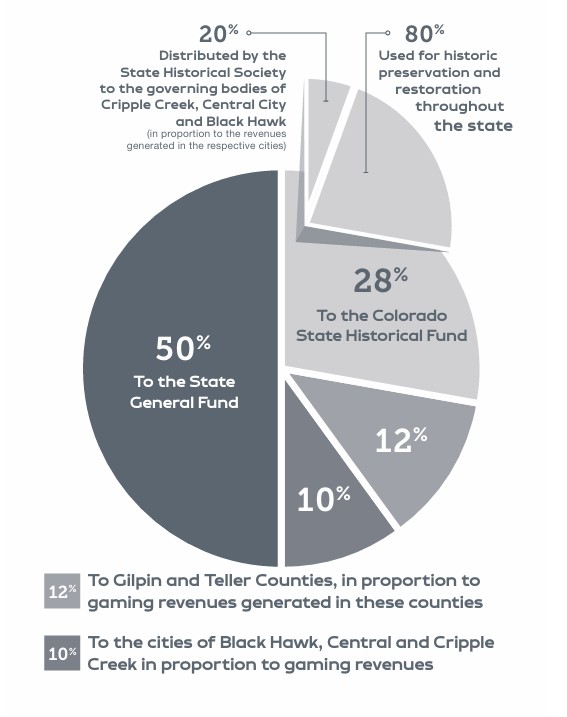
Over time, scratch tickets and jackpot products followed suit, while “limited gaming” towns like Black Hawk, Central City, and Cripple Creek were legalised in the 1990s. In the decades since, restrictions eased, aligning Colorado with other states that embraced for-profit gambling, according to several media outlets.
Safeguards and research
The Lottery pledged to study other states’ models, phase in games gradually, and implement safeguards for responsible gambling before rolling out credit card payments.
Other guardrails can include self-exclusion programmes where players will voluntarily ban themselves from gambling platforms for a set period. Another measure is setting maximum amounts that the players can spend daily, weekly, or monthly.
Overall, about 72 percent of players are between the ages of 18 and 54, with the 25-34 age group being the highest. Most are well-educated and often have moderate to high household incomes, according to the Lottery.
Still, opponents remain sceptical. James Glick, president of the Problem Gambling Coalition of Colorado, warned that digital games create a “stimulus-reward loop,” heightening addiction risks. Critics also highlight credit card use as a major concern, as reported by local media outlet The Denver Post.
Couriers and market dynamics
Third-party lottery couriers already operate in Colorado, according to media reports. They charge convenience fees while attracting new players, citing that coexistence can occur with state offerings in places like New Hampshire and West Virginia.
Casinos and anti-iGaming groups, however, caution that a state-sponsored online platform could evolve into full online casinos, reshaping market dynamics and inviting tighter regulatory scrutiny.
Studies by the Colorado Department of Revenue show that one to two percent of adults meet criteria for pathological gambling, while another three to five percent are considered at risk. The state funds treatment through a Problem Gambling Grant, supporting counselling, outreach, and self-help groups.
Funding the outdoors
Despite opposition, the Lottery insists that online revenue is essential to sustain programmes such as Great Outdoors Colorado, the Conservation Trust Fund, and Colorado Parks and Wildlife.
Be part of the action! Join the world’s biggest iGaming community with SiGMA’s Top 10 News countdown. Subscribe HERE for weekly updates, insider insights, and exclusive subscriber-only offers.


