


Danish government eyes stricter gambling rules, tax hike

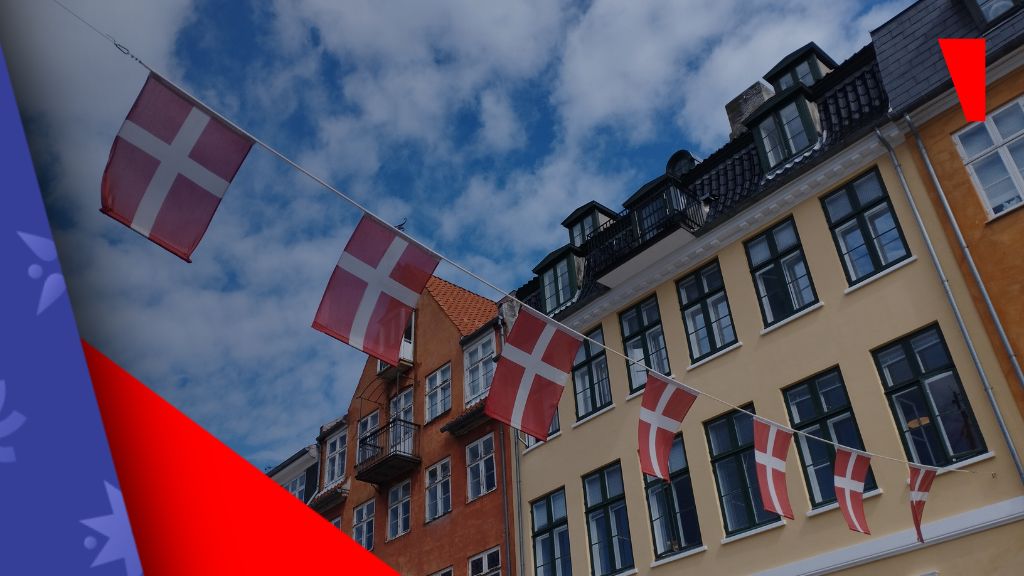
Denmark is preparing to introduce new gambling regulations in response to concerns about addiction, advertising practices during sports events, and the economic impact of the industry. Minister for Taxation Rasmus Stoklund has stated that the government will consider measures such as stricter advertising rules and a potential increase in gambling taxes. These changes aim to address current issues and adjust the regulatory framework.
Growing concern of gambling in Denmark
Gambling is becoming a public health concern in Denmark. Minister for Taxation Rasmus Stoklund reports that around 500,000 people face gambling-related issues, with over 60,000 registered with ROFUS, the national self-exclusion system. Given Denmark’s population of approximately six million, this suggests that roughly one in twelve individuals is affected by gambling problems.
Minister Rasmus Stoklund’s stance
Minister for Taxation Rasmus Stoklund has called for urgent gambling reforms. He stated that gambling problems affect not only individuals but also their families and social circles. According to Stoklund, many Danes struggle with gambling addiction, which can lead to serious consequences for both the individuals involved and those around them.
Stoklund’s stance is clear: “Far too many Danes have problems with gambling, and some are affected by outright gambling addiction. This can have very serious consequences for those who gamble, but also for their families and relationships.”
ROFUS: Denmark’s self-exclusion system
The Danish Register of Self-Excluded Players, or ROFUS, is a mechanism that assists people in preventing access to gambling services when they become aware of a loss of control. It provides two choices: permanent exclusion, which lasts for at least a year before reactivation is possible, and temporary exclusion, which lasts anything from 24 hours to six months. With more than 60,000 members at present, the growing figure illustrates the nation’s ongoing struggles with gambling-related harm.
Aggressive gambling advertisements
Betting advertisements are common during football matches in Denmark, appearing before, during, and after games. Critics argue that this level of exposure normalises gambling, particularly for younger audiences. Minister Rasmus Stoklund has stated that such advertising practices will be reviewed and may face restrictions.
Stoklund stated, “The marketing culture has become too aggressive. We all experience that when we watch a football match on TV, for example. And that is, of course, something that I will discuss with the parties in the Danish Parliament.”
Whistle-to-Whistle ban
Gambling commercials are prohibited during live sports broadcasts from the start of a game to its conclusion by a whistle-to-whistle ban. Major operators complied with the UK’s 2018 implementation of this policy. The measure reduced younger viewers’ exposure to gambling advertisements. Similar laws are being considered in Denmark.
Beyond the whistle-to-whistle ban, Denmark is examining more extensive advertising limitations. Proposed regulations might restrict sports sponsorships, digital platforms, and television advertisements for gambling. Concerns have been expressed by industry participants that these limitations may impact competition and diminish funding for sports organisations.
The proposed tax hike
Danish gambling operators currently pay 28 percent of their gross gaming revenue in tax. The government is considering an increase to support prevention and treatment programmes. Critics argue that higher taxes may reduce the competitiveness of licensed operators and lead users to unregulated platforms.
Raising gambling taxes may push users towards unregulated platforms. Analysts in the UK have expressed similar concerns, predicting that increased expenses may push a significant percentage of gamblers to the illegal market. The fundamental challenge is to preserve consumer protection while ensuring the legal market remains sustainable.
Prevention and early intervention
The Danish government aims to reduce gambling-related harm by focusing on prevention. Strategies under consideration include stricter age-verification protocols, public awareness initiatives, and school-based education. The government is proposing increased funding for treatment facilities, improved support services, and specialised tools to help individuals who are already struggling with gambling addiction to stop.
If implemented, the reforms could increase access to support services and reduce the harm caused by gambling. However, stricter regulations carry the risk of encouraging more players to turn to unregulated gambling sites with less oversight.


