

ESIC and ggCircuit launch world’s first esports venue certification

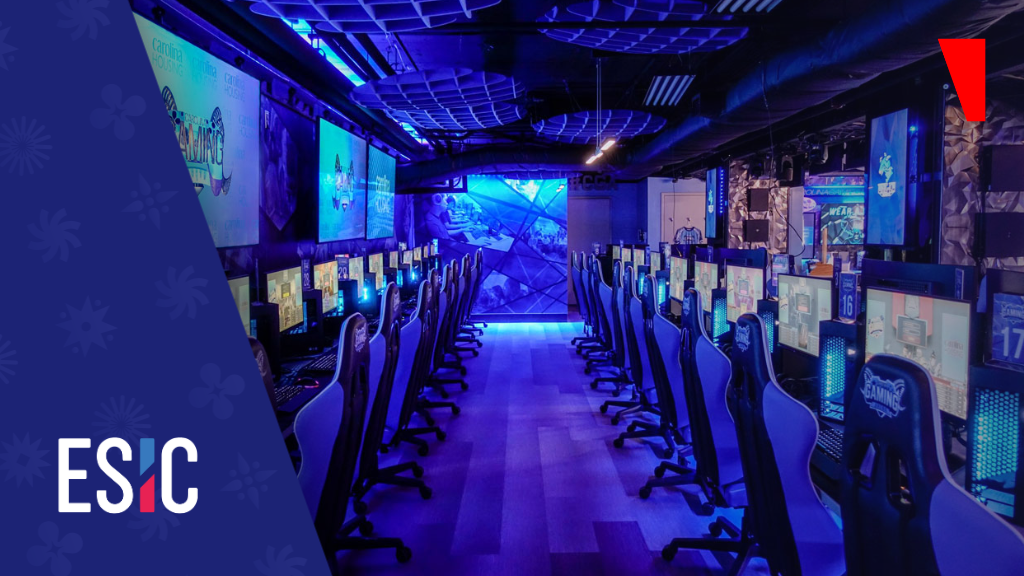
The Esports Integrity Commission (ESIC) and ggCircuit have partnered to build the first certified esports arena infrastructure. Signed during Global Esports Industry Week, the deal merges ESIC’s integrity system with ggCircuit’s arena tech to boost standards and transparency. Together, the companies aim to set a global standard for esports arenas.
The ggCircuit infrastructure already includes a global network of esports centres, universities, and LAN arenas. This partnership lays the foundation for a scalable, transparent, and integrity-focused gaming ecosystem.
Comprehensive venue certification system
This strategic initiative will establish a comprehensive venue certification system utilising ggCircuit technologies. The project includes ggLeap and ggRock software and hardware, in compliance with ESIC integrity standards. Venues that meet the requirements will receive the official certification status as an esports venue. Safe, integrity-focused competitive gaming centres will be able to confirm their quality with a certificate.
The programme will be implemented in several stages, allowing venues worldwide to obtain certification. The network of ESIC-certified venues will provide the global esports ecosystem with a global selection of reliable venues for esports competitions.
Creating an essential element of integrity infrastructure
According to Stephen Hunn, CEO of ESIC, this partnership marks the creation of another critical component of integrity infrastructure for local events. The commission aims to ensure consistent expectations regarding the integrity of any competition. ‘This is a significant step forward in the quest to raise integrity standards at all levels of the esports ecosystem,’ says Hunn.
The global network of ESIC-certified venues prioritises fairness, safety, and responsibility. By combining ESIC’s integrity expertise with ggCircuit’s technology and network, the companies are creating the first integrity-compliant global network of venues.
As David Williams, Senior Vice President of ggCircuit, added, the integration of ESIC’s training and accreditation programme into the industry-leading ggCircuit platform will enable gaming venues to host professional-level tournaments. Publishers and tournament operators will gain access to an international network of local venues for leagues and sponsored events. They are proud to support the development of a unified global esports ecosystem.
ESIC anti-corruption network grows
Reaffirming its commitment to integrity, the commission is making efforts in various areas, including the fight against corruption. It has organised and regularly replenishes a group of industry representatives who actively provide information about corruption, match-fixing, and other suspicious activities in esports. On 16 June, esports betting operator Thunderpick joined the group as an anti-corruption supporter.
The commission’s anti-corruption supporters contribute to ongoing efforts to prevent, detect, and investigate corruption in esports. These measures are especially effective in combating betting fraud and match-fixing. Like other partners, Thunderpick shares information in real time, monitors suspicious bets, and actively participates in relevant investigations.
ESIC’s expanding network shows operators’ commitment to sustaining competitive esports. It unites betting and gaming stakeholders, strengthens the ecosystem, and promotes industry transparency.
The commission in action
By tracking violations, ESIC has already imposed several bans on players this year. One of the latest was a lifetime ban from competition for StarCraft II player Xue Firefly Tao. This decision followed his suspension from competition, which disqualified Firefly from participating in the Esports World Cup, according to Esports Insider.
The commission investigated the player’s case from April to July. It found evidence of a coordinated scheme of match-fixing and profit sharing. Firefly deliberately manipulated match results to profit from betting, for which he received a lifetime ban from participating in StarCraft II esports competitions. In addition, former player Jinhui Jim Cao has been temporarily disqualified from participating in ESIC member events and tournaments if he decides to return to competition.
This article was first published in Russian on 1 August 2025.


