


GENIUS Act: what stablecoin regulation means for US crypto casinos

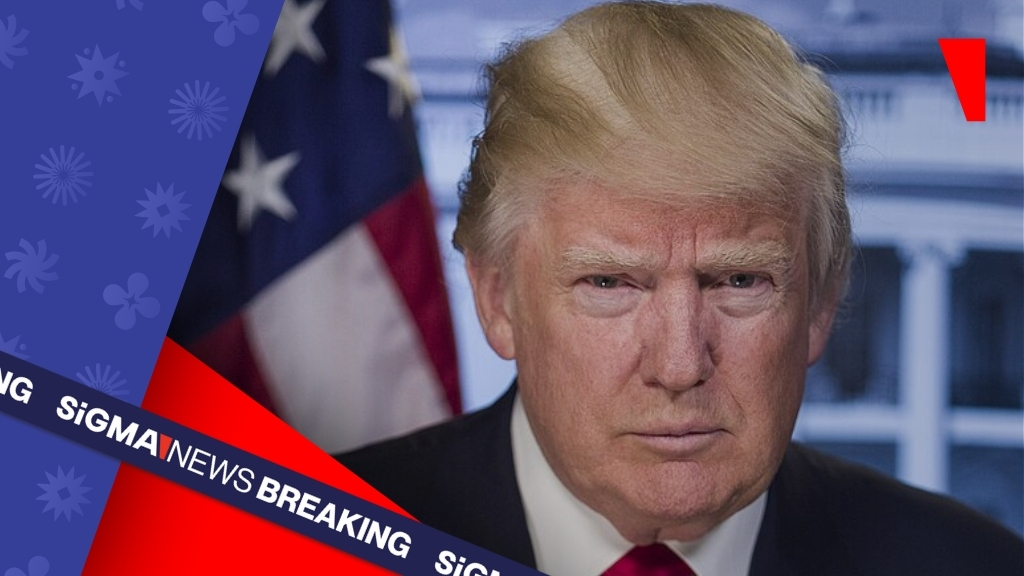
The United States House of Representatives passed the GENIUS Act (Guiding and Establishing National Innovation for US Stablecoins) on Thursday with a bipartisan vote of 308-122. The Act is one of the first major federal cryptocurrency laws in US history and carries significant implications for the online gambling and sports betting industry.
President Trump is now expected to sign the bill into law immediately, marking what Securities and Exchange Commission Chairman Paul Atkins called “a historic milestone for crypto entrepreneurs, financial market participants, and everyday Americans”.
What the GENIUS Act means
“In its current form, the GENIUS Act would establish the first comprehensive federal framework for payment-oriented stablecoins in the United States,” Luís Portela de Carvalho, a partner at the law firm Letkou, explained to SiGMA News. “Stablecoin issuers would be required to maintain full, dollar-for-dollar reserves with approved custodians and comply with a heightened set of prudential and reporting obligations.”
The act prohibits the issuance of unbacked algorithmic stablecoins and establishes a dual-licensing structure, giving both federal and state authorities oversight power over permitted issuers.
Despite initial procedural delays when conservative Republicans staged a revolt earlier in the week, Trump’s direct intervention helped secure the bill’s passage. In its coverage of the Act, the BBC pointed out the president’s ties to the sector, explaining that despite initial reservations, “his opinion shifted” after he “won backing from the sector and got involved in the industry as a businessman.”
Implications for the iGaming sector
The GENIUS Act’s impact on the gambling and sports betting industry could be transformative. Stablecoins are supposedly combining the price stability of fiat currencies with the speed and privacy of crypto, making them highly attractive for gambling platforms. According to Inside Bitcoins, stablecoins now represent 58% of deposits in Curacao-licensed casinos.
The $250 billion stablecoin market has seen rapid expansion in gambling applications. Major platforms like Stake now accept multiple stablecoins, allowing players to wager with cryptocurrencies that are supposedly less volatile. The crypto casino industry achieved $81.4 billion in revenue in 2024, representing a fivefold increase since 2022, according to the Financial Times.
“One of the key overhangs for the industry has always been regulatory uncertainty. This vote sends a strong message: US policymakers are ready to embrace structured innovation in digital assets rather than ignore or suppress it,” Kailas, CEO of Prospero, said to Forbes.
Operational shake-up ahead for crypto-driven casinos
“Any crypto casino that allows play from US residents would need to ensure that the digital tokens it accepts meet the new standard,” explained Luís Portela de Carvalho.
For operators, the law offers a clearer regulatory environment but increases scrutiny and compliance demands. Future mandates could limit flexibility by requiring casinos to only accept approved stablecoins.
The new rules could also slow down transactions, create friction, and potentially deter players. “The new requirements are likely to reduce the speed and anonymity that have traditionally made crypto-denominated wagering attractive,” explained Luís Portela de Carvalho.
MiCA’s effects in Europe hint at what’s next for the US
The GENIUS Act arrives as regulatory pressure builds globally. In Europe, the Markets in Crypto-Assets (MiCA) framework has already imposed strict oversight on stablecoins, with noticeable effects on gambling operators.
“MiCA has already led several major exchanges to withdraw particular stablecoins from their European offerings, leaving many players without their default funding vehicle and obliging operators to integrate alternative payment rails on short notice,” noted Portela de Carvalho.
“The GENIUS Act, by contrast, is expected to take effect principally through an issuer-licensing model; as a result, its impact on day-to-day gambling operations should manifest more gradually, driven by compliance deadlines rather than sudden delistings,” concluded Luis.


