


Inside the underground economy of Counter-Strike skins

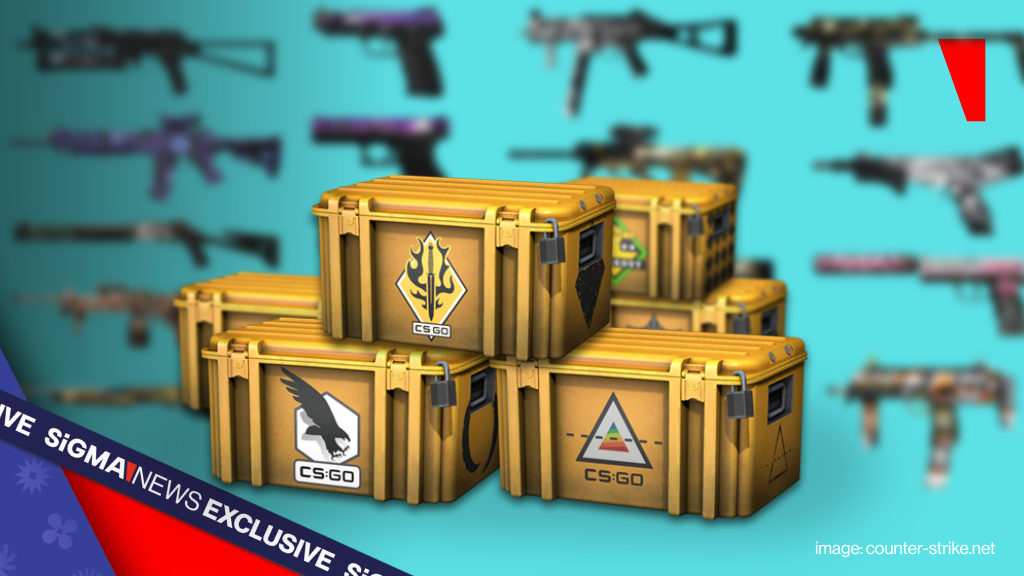
When you unlock a Counter-Strike case, each spin is a micro-lottery, with outcomes ranging from throwaway stickers to a weapon skins that can sell for thousands of dollars. Cosmetic items like these have absolutely zero effect on performance, yet they still manage to underpin one of gaming’s most lucrative and least regulated markets.
To understand how this all works beneath the surface, SiGMA News spoke with Chris Smith, an industry analyst and veteran of 15 years, who has spent years studying how the trade and gambling ecosystem around skins has evolved, from casual case openings to billion-dollar speculation.
“People talk about esports being huge,” says Smith. “But Counter-Strike skins alone dwarf the entire industry. Monitoring over the space of thirty days, for example, Valve had sold about eighty million dollars’ worth of keys to open cases,” says Smith.
What began as a simple way to personalise weapons has evolved into a global economy built on status, speculation, and risk. Today, Counter-Strike skins are traded like assets, gambled like chips, and hoarded like cheese wheels in Skyrim.
But to understand why, you need to follow the money.
So, what exactly are skins?
In Counter-Strike 2 (CS2), skins are purely cosmetic items that change the look of a weapon or character. They don’t offer an edge in gameplay, but they have become cultural symbols within the game’s community.
Players earn skins through random weekly drops, trade with others, or open loot boxes known as cases. Each case can be unlocked with a key costing around $2.50. The result is random (part of the appeal), and the process mirrors the dopamine loop of a slot machine.
Valve, the developer behind CS2, hosts an official marketplace on their game platform, Steam, where players buy and sell items. Every transaction carries a 15 percent fee: 5 percent goes to Steam, 10 percent to the game. The catch? Profits are paid into a Steam Wallet that can only be spent inside Valve’s ecosystem.
“Imagine you’re playing in an online casino and you can never cash out. It’s like that,” says Smith.
The rise of third-party marketplaces
That limitation created an opportunity. A network of third-party websites now acts as the missing bridge between virtual assets and real money. These sites let players list their items, find buyers, and receive cash or crypto instead of wallet credit.
They function as an escrow service; the seller sends a skin to the site, a buyer pays the platform, and once both sides confirm, the trade completes. Commissions are far lower than Steam’s, often between 2 and 3 percent.
“Sites use Steam to facilitate transfers, which is against the rules, so they spin up and retire accounts constantly,” says Smith. “If Valve spots links between accounts, entire inventories can be wiped.”
The result is a constant game of cat-and-mouse between Valve and the operators running these markets.
Where gambling enters the picture
Many of these marketplaces also host full-fledged gambling sections. Players wager skins on roulette wheels, jackpots, dice games, or esports matches. Since the stakes are technically in-game items rather than money, the operators often skirt gambling laws and age restrictions.
A UK government report published in September 2025 recorded 6.9 million visits to skin-gambling websites in a single month, with the UK making up nearly four percent of the global total. Even more striking: 18 to 24-year-olds accounted for almost 45 percent of those visits; far higher than on licensed gambling sites.
The appeal is obvious. Skin gambling looks and feels like regular gaming, only with higher stakes and flashier prizes. For many young players, it becomes their first experience of betting.
The status symbol effect
In a competitive shooter where everyone starts with the same weapons, skins have become a form of self-expression and a symbol of status. Owning a rare skin can feel like having a luxury item on public display.
Describing a player with a valuable inventory, Smith explains, “When they pull out their knife, people go absolutely ballistic. It’s like someone turned up to the supermarket in a Lamborghini.”
To get an idea of just how high these prices can go, the most expensive skin on record is a Karambit Blue Gem knife owned by a Chinese collector known as QQQ, who has turned down offers of $1.5 million, reportedly refusing to sell for less than $2 million.
So just how big is the market?
By late 2025, analysts estimated the CS2 skin economy at around $5.2 billion, larger than most entire gaming companies.
When Valve released a new “Trade-Up” feature in October that let players exchange five low-tier items for high-value knives or gloves, the market convulsed. Prices for rare knives crashed by up to 70 percent within hours, and the Steam marketplace temporarily buckled under the strain.
Some believe the change was deliberate. By shaking confidence in external trading platforms, Valve may have nudged more players back onto its own marketplace, where it collects fees on every sale. Although not quite back to its all-time high, the ‘market crash’ didn’t last long.
Market Timeline (2025)
- 18 Oct: All time high – $6,057,593,023.86
- 26 Oct: Crash – $4.513B (lowest point)
- 2 Nov: Recovery – $5.09B
- 24 Nov: Recent figure – $5,266,901,380.62
Valve’s delicate balancing act
Valve’s relationship with skin gambling has always been problematic. The company benefits massively from key sales and marketplace commissions, yet it also faces growing political pressure over its gambling-like mechanics.
In July 2025, Valve added a “Trade Protection” feature that lets users reverse trades within seven days. It was intended to prevent scams, but it also disrupted betting sites, forcing them to hold payouts until the reversal period expires.
Valve has also cracked down on esports sponsorships, reportedly banning skin-gambling and case-opening companies from advertising at its official tournaments. Still, critics say the company engineered the very system that allowed all this to flourish.
In countries such as Belgium and the Netherlands, where loot boxes are banned, Valve simply adjusted the format, introducing “Genesis Terminals” that reveal contents before purchase, sidestepping the letter of the law.
Game designer Dean Hall, best known for creating zombie apocalypse game, DayZ, summed it up bluntly: “Valve doesn’t get anywhere near enough criticism for this. I’m honestly disgusted with the gambling mechanics in video games.”
A perfect storm of speculation
What makes CS2 unique is how visible and reactive its economy is. Skin values rise and fall with patch updates, team results, and influencer hype. A single esports roster change can double the price of a sticker in minutes. Traders monitor dozens of marketplaces for opportunities, using bots and APIs to flip assets at speed.
When Complexity announced it was exiting Counter Strike due to a lack of funding, prices moved fast. When a team folds, their stickers often skyrocket for a time. “Complexity’s sticker prices jumped more than 100 percent within an hour of the announcement,” says Smith. “It behaves exactly like a mini stock exchange, only with virtual weapons instead of shares.”
This economy isn’t going anywhere
Despite mounting concern, regulation remains patchy. In most jurisdictions, in-game items aren’t legally classed as money, even when players buy, sell, and gamble them for real-world value. That legal gap gives both operators and regulators an excuse to look the other way.
Still, scrutiny is increasing. Governments are reviewing loot-box laws, gambling commissions are collecting data, and esports organisers are tightening sponsorship rules. Whether reform comes from within the industry or from outside pressure, this economy isn’t going anywhere.
“There are 6 billion reasons to keep this going,” says Smith. “Skins fund game development, drive engagement, and keep people talking. But the second you add real-world value, you open the door to the consequences that follow.”
Join the world’s biggest iGaming community with SiGMA’s Top 10 News countdown. Subscribe HERE for weekly updates, insider insights, and exclusive subscriber-only offers.


