


INTERPOL recovers $439 million in large-scale cybercrime operation

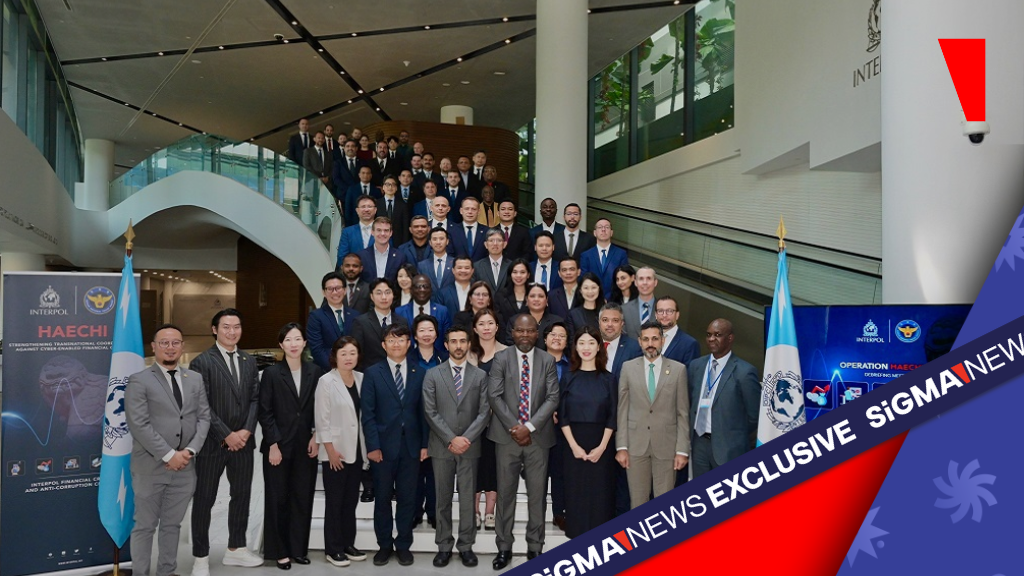
As a result of the operation, coordinated by INTERPOL in 40 countries and territories, $342 million in government-backed currencies and $97 million in physical and virtual assets were recovered. Operation HAECHI VI ran from April to August 2025 with the support of the Republic of Korea. It targeted seven types of cybercrime in the financial sector, including money laundering related to illegal gambling.
Record recovery of criminal funds
Investigators from INTERPOL and the countries involved worked together to identify and crack down on online fraud and money laundering activities. They managed to block more than 68,000 related bank accounts and freeze about 400 cryptocurrency wallets. In addition, Interpol recovered about $16 million in suspicious illegal proceeds from cryptocurrency wallets, according to the organisation’s official website.
The results of Operation HAECHI VI reflect the global scale of cybercrime. In Macau, local authorities arrested criminals who committed fraud using fake identities on a popular online payment platform. In Portugal, a syndicate of several groups illegally appropriated funds intended to support vulnerable families. As a result, 45 suspects were arrested for illegally accessing social security accounts and changing bank details. They managed to steal $270,000 from 531 victims.
The Royal Thai Police seized $6.6 million in stolen assets, the most significant single case recovery in the country to date. The case involved a complex business email compromise scam organised by an international group that included Thai and West African nationals. The gang tricked a major Japanese corporation into transferring funds to a fictitious business partner based in Bangkok.
I-GRIP system for intercepting payments
An international Interpol operation to block criminal proceeds resulted in the successful recovery of 6.6 billion Korean won ($3.91 million) transferred to an illegal bank account in Dubai. Cybercriminals stole funds from a Korean steel company, which noticed the forged transport documents. Rapid coordination between the Korean National Police Agency and the UAE authorities through INTERPOL’s Global Rapid Intervention of Payments (I-GRIP) system enables the interception of the transaction quickly and the recovery of the funds in full.
Launched in 2022, I-GRIP is a global mechanism for stopping suspicious payments and has already proven to be an effective tool in the fight against cross-border financial fraud.
Theos Badege, Acting Director of the INTERPOL Financial Crime and Corruption Centre, noted that Operation HAECHI, with the use of the I-GRIP system, demonstrates the possibility of recovering funds lost as a result of fraud. “Global cooperation can protect financial systems and communities. We encourage more countries to join these efforts,” said Badege.
Lee Jun Hyeong, Head of the Interpol National Central Bureau in Seoul, emphasised that the Republic of Korea is actively participating in international initiatives to combat illicit financial flows. “Operation HAECHI confirms the effectiveness of joint action. We will continue our partnership with INTERPOL and law enforcement agencies around the world,” Jun Hyeong said.
Coverage of all regions
The successful application of I-GRIP and the results of the operation confirm the effectiveness of international coordination in the fight against cybercrime. HAECHI VI involved countries and territories on all continents: Albania, Argentina, Armenia, Australia, Brazil, Bulgaria, Cambodia, Canada, Cayman Islands (United Kingdom), China, Germany, Ghana, Hong Kong (China), India, Indonesia, Ireland, Japan, Kazakhstan, Republic of Korea, Liechtenstein, Macao (China), Malaysia, Maldives, Nigeria, Philippines, Poland, Portugal, Qatar, Romania, Seychelles, Singapore, South Africa, Spain, Sweden, Thailand, Timor-Leste, United Arab Emirates, United Kingdom, United States, Vietnam.
ASEAN countries join forces to combat cybercrime
Earlier this year, the Association of Southeast Asian Nations (ASEAN) committed to combat the growing threats of transnational crime and online fraud in the region. At a meeting of ASEAN foreign ministers in Langkawi, Malaysia, officials discussed strategies to combat crimes such as human trafficking, drug smuggling, and cyber fraud.
ASEAN ministers emphasised the importance of cooperation to strengthen security and proposed new initiatives, including a working group on anti-money laundering and a regional group on cybercrime.
China has expressed its willingness to support the fight against cross-border online gambling and telephone fraud, which have become particularly prevalent in areas such as the Golden Triangle Special Economic Zone. Criminal syndicates in this region are involved in illegal activities, including cybercrime, and the stolen funds exceed $43.8 billion annually.
This article was first published in Russian on 25 September 2025.
Subscribe HERE to SiGMA’s Top 10 News countdown and SiGMA’s weekly newsletter to stay up to date with all the latest iGaming News from the biggest iGaming community in the world and benefit from subscriber-only offers.


