

Japan cabinet backs 5.4% rise in casino regulator budget

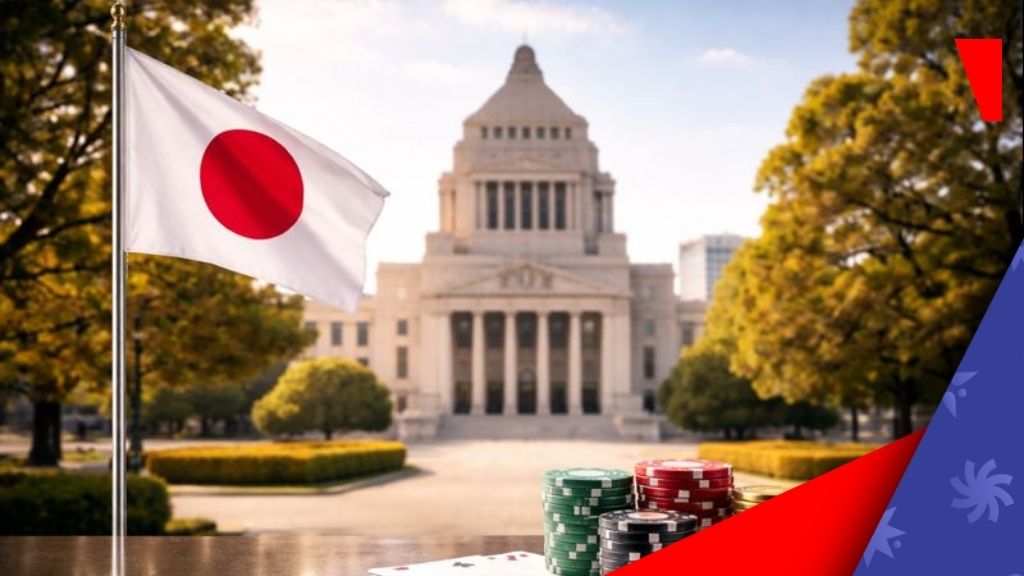
Japan’s cabinet has approved a draft budget proposing a 5.4 percent year-on-year increase in funding for the Japan Casino Regulatory Commission in the financial year 2026, according to a report by GGRAsia.
According to materials published by the Japan Casino Regulatory Commission, the proposed budget for financial year 2026 totals JPY3.91 billion (US$25.0 million), up from JPY3.71 billion in FY2025.
Budget structure outlined by regulator
According to the commission’s document titled Overview of the FY 2026 Budget Proposal and Organisational Staffing, personnel-related expenditure will account for the largest portion of the FY2026 budget.
Personnel expenses are set at JPY2.47 billion (US$15.8 million), representing 63.2 percent of the total budget. The commission’s materials show this reflects an increase of JPY0.21 billion year on year.
Administrative operating expenses are budgeted at JPY580 million (US$3.7 million), equivalent to 14.8 percent of total expenditure. The document states that these costs relate to the day-to-day administrative operation of the commission.
For the year 2026, JPY630 million (US$4.0 million) would be spent on the “development of supervision frameworks for casino operators and others.” Investigations and staff training necessary for regulatory monitoring are covered by this category, which makes up 16.1 percent of the annual budget.
Expenditure for the “review of casino business licences and approvals for related equipment” is budgeted at JPY220 million (US$1.4 million). The commission’s figures show this amount is unchanged from FY2025 and represents around 5.6 percent of total spending.
Digital systems funding accounted separately
The commission’s budget summary also refers to an additional JPY540 million (US$3.5 million) allocation for information technology systems. This funding is unchanged from both FY2025 and the previous year.
The commission’s document states that this amount is covered by Japan’s Digital Agency, which was established in 2021 to promote digitalisation across the Japanese economy. The allocation is intended to support the development and operation of information management systems used in the supervision of casino operators.
The regulator notes that this Digital Agency allocation is not included in the main FY2026 budget total, and also cautions that totals may not always match due to rounding.
Staffing increases remain limited
The commission’s organisational staffing overview shows that total headcount is planned at 168 personnel by the end of FY2026, compared with 167 at the end of FY2025.
While the commission requested an increase of three secretariat staff positions, the documents also indicate that two posts are scheduled for rationalisation, resulting in a net increase of one position year on year. The report also stated that staffing levels for FY2026 will rise by just a single post compared with the previous year.
Regulatory role ahead of MGM Osaka launch
The report further noted that the Japan Casino Regulatory Commission began full implementation of licence examinations and casino regulatory work in the financial year 2023.
Japan’s first and so far only approved casino resort, the MGM Osaka, is currently under development and is due to open in late 2030. The project carries an estimated investment of JPY1.51 trillion (US$9.6 billion), according to previous public disclosures.
Senior leadership update
In June, Japan’s national government announced the appointment of Toshiyuki Shimada as secretary-general of the Japan Casino Regulatory Commission, effective from 1 July. Shimada had previously served as a deputy secretary-general of the commission and had earlier worked at Japan’s Ministry of Finance, according to official announcements.
Don’t just read the news — stay ahead of it. Subscribe HERE to SiGMA’s Top 10 News countdown for stories shaping iGaming’s future, weekly insights from the world’s biggest iGaming community, and exclusive subscriber-only offers.


