


Jodi Scholtz’s interview on the state of South Africa's lottery sector

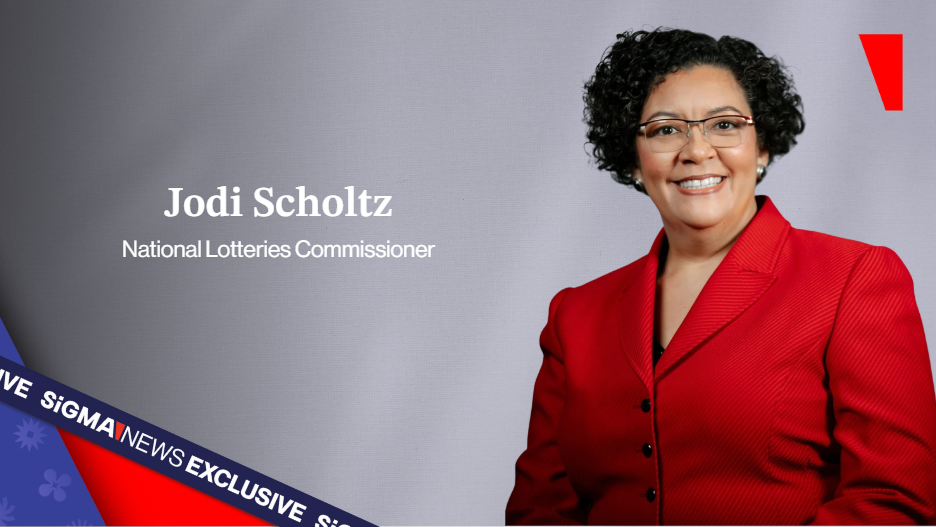
Jodi Scholtz, Commissioner of the National Lotteries Commission, gave a presentation on the NLC’s mandate, policies, and contributions to South Africa’s industry at the inaugural African Lotteries and Gaming Association (ALGA) CEOs Forum, an event dubbed “The Black Table.”
Representatives from 23 countries attended the Forum, including Kenya, Nigeria, Ghana, Senegal, Benin, Botswana, Namibia, Zimbabwe, Guinea, and Ethiopia. This ALGA Forum assembly marked a significant step forward for Africa’s gaming industry, emphasising its potential as a major driver of economic development and social progress. Additionally, Jodi also shared insights with SiGMA News concerning South Africa’s current state.
Current strategy models
As it stands, no South African law compels online betting companies to use behavioural analytics to flag players who exhibit risky patterns (such as sudden increases in bet frequency, chasing losses, or playing for marathon sessions late at night).
SiGMA News: Given South Africa’s current reliance on a reactive model for responsible gambling, what steps are being considered to implement more proactive, data-driven strategies similar to those adopted in the UK, Sweden, and Canada?
Jodi Scholtz: The National Lotteries Commission (NLC) encourages the National Lottery operator to adopt the WLA Responsible Gaming Framework and be certified for the same. The National Lottery Licence has compliance requirements for responsible play, similar to the WLA GR Framework, which include:
- Research
- Employee Program
- Retailer Program
- Game Design
- Remote Gaming Channels
- Advertising and Marketing Communications
- Player Education
- Treatment Referral
- Stakeholder Engagement
- Reporting and Measurement
Implementation of these programs is monitored periodically by the Operator.
50% of ticket sales are generated from retail ticket purchases by players. Online play through the National Lottery mobile App and website allows for prizes to be set for lottery play, which are included in game rules and regulations. Data-driven strategies are available for online players to inform them proactively of their wallet balances and how much they have spent. Further enhancements are required from the Operator for data analysis and to predict at-risk players, results of which can be shared with the regulator to assess the effectiveness of controls for responsible play.
The availability of games and frequency of draws are factors considered prior to the approval of lottery games, to ensure that responsible play measures are in place.
The state of the online gambling landscape
In her presentation, Jodi pointed out that the adoption of technological advancements will help increase transparency and integrity in the lottery industry. The National Lottery Operator has adopted digital platforms to appeal to a younger, tech-savvy audience.
This digital shift brings cybersecurity challenges – data breaches and online fraud, which can undermine public trust in the National Lottery and lead to financial losses. There is a need to have a robust regulatory focus to ensure that enhancements to lottery operations are introduced and do not compromise the integrity of the National Lottery.
SiGMA News: How does the National Lotteries Commission plan to address the fragmented online gambling landscape, particularly the lack of a unified national self-exclusion system, to better protect vulnerable players across provinces?
Jodi Scholtz: The Department of Trade, Industry and Competition is responsible for the National Gambling Policy, which includes lotteries regulation. The department, with input from the NLC and the National Gambling Board, has prioritised the prevention of illicit trade, which includes the prevention of illegal lotteries and gambling, that mainly target vulnerable players. The national self-exclusion system is one of the identified initiatives that will require collaboration among regulators of gambling and lotteries to implement.
Tools for player protection
The economic situation in South Africa has a direct effect on the lottery market. Unemployment at 32.1% and youth unemployment at 39%, together with income disparity, shape consumer spending behaviours. In tough economic times, lottery participation may vary.
This has elevated the focus for the regulator to educate participants on responsible lottery play. Although lotteries, like gambling, may be viewed as entertainment, in the social context of South Africa, where many live below the poverty line, lottery and gambling participation heightens concerns about gambling addiction and exploitation.
The role of a Regulator is imperative to ensure that, while growing the lotteries industry, there is prevention of harm to vulnerable groups. Public education and awareness on the harmful effects of gaming should and must be a strategic priority.
SiGMA News: What are the main challenges in integrating behavioural analytics and affordability checks into South Africa’s gambling regulation, and how can these tools be effectively adopted to prevent gambling harm?
Jodi Scholtz: Gambling regulation is the responsibility of nine provincial licensing authorities, which are separate from the national regulation of lotteries. The National Gambling Policy requires review, to include integrating behavioural analytics and affordability checks across all gaming modes (lotteries and gambling).
SiGMA News: How can South Africa learn from international best practices to develop a comprehensive, technology-enabled responsible gambling framework that balances industry growth with effective harm prevention?
Jodi Scholtz: Benchmarking must be undertaken on international best practices to develop a comprehensive, technology-enabled responsible gambling framework, which must be incorporated into the National Gambling Policy.
Colombo’s ready for South Asia’s premier iGaming summit. Join 5,000+ delegates at SiGMA South Asia, 30 Nov – 02 Dec 2025. Network, scale, and grow in one of the world’s fastest-rising markets, where new markets meet new horizons.


