


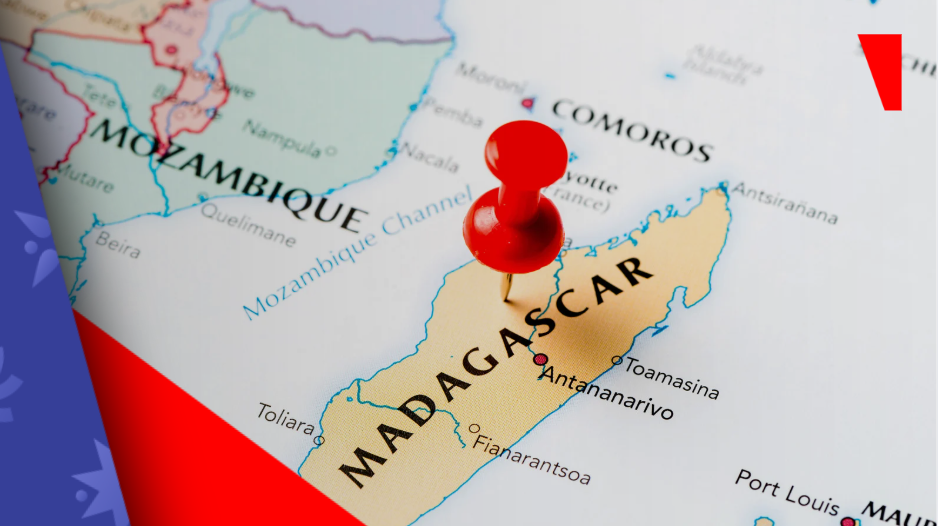
The telecommunication regulatory body in Madagascar has called on mobile operators to consider reducing the cost of the internet. This was an appeal by the Autorité de régulation des technologies de la communication (ARTEC) due to an increased number of complaints that the regulator encountered. Customers had complained about the high cost of mobile internet access. ARTEC said the initiative “continues the actions undertaken since late 2024, which resulted in an initial adjustment of existing rates.” The regulator has not given a timeline for the review. No schedule has been set for any price change.
ARTEC seeks dialogue rather than price control
ARTEC stressed that it cannot directly set internet prices for operators. The regulator explained that its role “is to facilitate dialogue and promote fair, sustainable, and inclusive solutions across the digital ecosystem.” Officials aim to guide discussions that support lower prices and broader access. ARTEC hopes that improved affordability will reach underserved communities and encourage online participation.
Government pushes for expansive digital access
The government has been trying to lower the cost of telecoms for almost a year. In October 2024, Minister Stéphanie Delmotte revealed a collaborative effort with the operators. “The time has come to align with international best practices,” she said. “I believe that soon we will be able to announce good news on Internet prices. No matter what, we are committed to reducing Internet costs so that the majority of the population can access these data services.”
Recent price policy changes shape the market
In April 2024, Madagascar introduced a minimum price for one gigabyte. The threshold moved from $0.45 to $0.95. The government presented the measure as a market-stabilisation tool. Authorities revoked the price floor in May after reviewing operator conduct. The government said “prices artificially maintained at a high level by operators did not reflect the commitments made during negotiations.” Officials argued that the change would better support consumers.
Digital strategy includes device distribution
The Madagascar government has a digital transformation plan that hopes to increase the use of mobile internet across the nation. A project costing $24 million aims to provide each citizen with 40,000 smartphones. This comes at a time when the government has plans to develop the digital economy. There is hope that the use of smartphones will enable people to access vital services.
Internet penetration shows growth, but limits persist
According to ARTEC, internet penetration reached 32.57% in 2023. The International Telecommunication Union places the figure at 20.4%. Analysts note that economic barriers still restrict adoption. Many households struggle to maintain recurring internet costs. These limits slow digital participation across several regions.
High data costs challenge wider access
The GSMA points to the high cost of data as a main barrier in Africa. In Madagascar, the average cost incurred on mobile internet services was 6.28% of the GNI per capita in 2023. The ITU recorded this figure. In 2014, the cost was 52%, and now it has drastically reduced. Nevertheless, the cost still exceeds the 2% barrier fixed by the ITU. For comparison, Africa records 4.48% under the same metric. The global ratio stands at 1.24%.
Lower prices could boost online gambling activity
Lower internet prices would likely expand online services, including regulated online gambling. Improved access often boosts digital entertainment markets. A more affordable internet environment could attract new gaming platforms. It could also increase participation in licensed products. ARTEC’s appeal may therefore drive broader digital growth across Madagascar’s online sectors.
Dubai goes full throttle on frontier tech. AIBC Eurasia, 09–11 February 2026, gathers over 14,500 delegates across AI, blockchain, fintech, and more. Big names. Big tech. Bigger opportunities. Will you be there?


