


Massachusetts lawmaker pushes to legalise igaming, ban sweepstakes

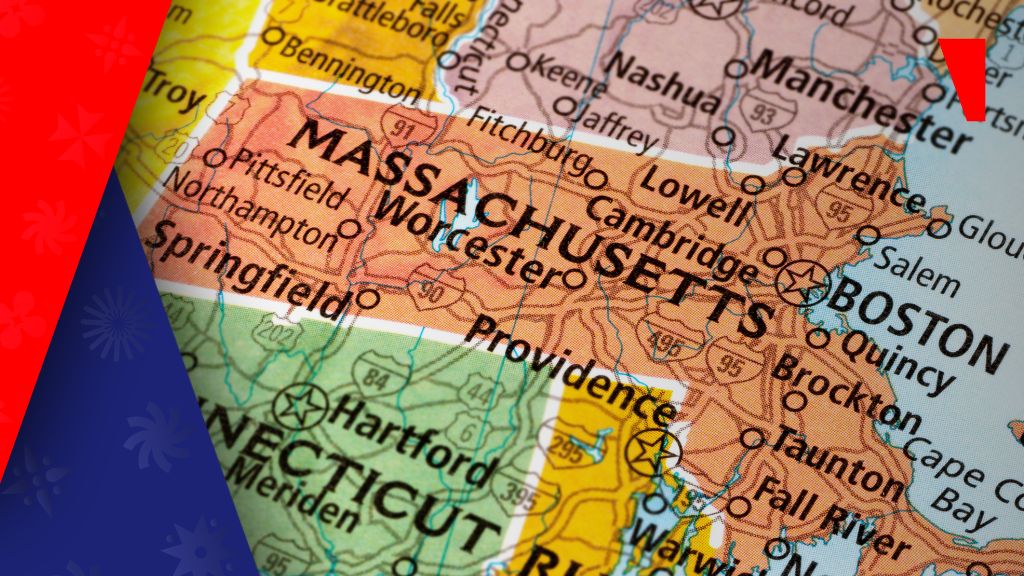
Massachusetts is poised for major changes in online gambling. House Bill 4431, introduced by Representative David Muradian, seeks to legalise and regulate online casinos. At the same time, this bill proposes banning sweepstakes-style games that use dual-currency systems.
Background of House Bill 4431
House Bill 4431 was introduced by Representative David Muradian to control internet gaming in Massachusetts. This bill raises issues with player safety and oversight in order to target unregulated sweepstakes and black-market casinos. It suggests a 15 percent tax on online casino operators and expands on current legislation, such as the 20 percent tax on online sports betting.
House Bill 4431 outlines rules for online gaming in Massachusetts. It permits table games, slots, poker, peer-to-peer, and skill-based games under state regulation. Licences are valid for five years and cost $100,000 for both application and renewal. Operators are required to pay 15 percent of their adjusted gross revenue in taxes.
Sweepstakes games exclusion
House Bill 4431 includes a ban on sweepstakes games that mimic casino, lottery, or sports betting formats and use dual-currency systems, such as virtual coins, alongside real money. The move aims to block legal workarounds used by such operators, such as steps taken in New York under Law S5935A.
House Bill 4431 sets penalties for violations, including fines ranging from $10,000 to $100,000 per offence. Operators may lose their licences, and repeat violations could lead to up to two years in jail.
This bill also includes measures aimed at regulating and controlling gambling behaviour. Players are limited to depositing no more than $20,000 within a 24-hour period and cannot use credit cards for deposits. The bill also sets up a programme funded by gaming taxes to support treatment and recovery services for gambling-related issues.
Economic impact of HB 4431
Legalising online gaming under House Bill 4431 could add substantial tax revenue to Massachusetts. Revenue from sports betting increased 53.4 per cent year over year to $62.1 million in June 2025. Entering the iGaming market might make this even higher. It is anticipated that businesses like Penn Entertainment and MGM Resorts will apply for licences, which might lead to more employment possibilities and a boost in the local economy.
Support and opposition to the bill
Supporters of House Bill 4431, including several lawmakers, argue that regulation is needed to protect users and limit illegal gambling. The Massachusetts Gaming Commission supports the bill, viewing it as a means to prevent unregulated market growth through oversight.
Some groups have pushed back against House Bill 4431. The Social & Promotional Games Association (SPGA) argues that banning sweepstakes reveals a lack of understanding of how these games operate and accuses lawmakers of favouring iGaming interests. SPGA also criticised the bill for vague definitions and for targeting games that use dual-currency systems.
“Lawmakers moving to ban sweepstakes while introducing iGaming demonstrate a poor understanding of the sweepstakes.”
– Social & Promotional Games Association
Comparison with other states
As of August 2025, several states in the United States have taken action to outlaw sweepstakes casinos, especially those that operate online in jurisdictions where the law is unclear. While legislation has been enacted in Montana, Connecticut, New York and New Jersey, Nevada’s law is still pending the governor’s signature. These platforms have also been the target of regulatory measures from Washington and Michigan.
Legislative status and next steps
House Bill 4431 is currently under review by the Economic Development and Emerging Technologies Committee. It requires approval from Governor Maura Healey before becoming law. The measure will go into effect on 1 January 2026, if it is approved. Throughout the review process, changes may still be made to clauses pertaining to deposit caps, tax rates, or enforcement strategies.


