


India’s gaming and esports sector is in the midst of major transformation, as regulatory shifts and strong user growth redefine the landscape. The country had 488 million online gamers in 2024, with that figure expected to rise to 517 million by end of 2025, said a recent FICCI-EY report. Meanwhile, the rollout of the Promotion and Regulation of Online Gaming Act, 2025, on 1 October marked a turning point for the industry.
The rule aims to increase safety and transparency for both players and operators by distinguishing between real-money games, esports, and other skill-based forms. It also demonstrates the government’s commitment to encouraging responsible innovation in one of the world’s fastest-growing gaming businesses.
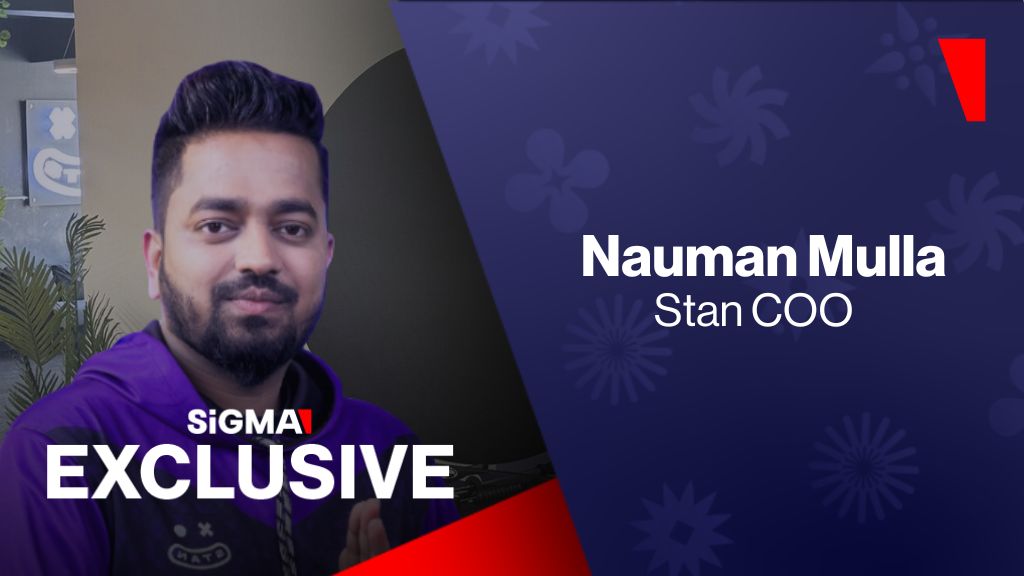
Against this backdrop, SiGMA News spoke with Nauman Mulla, Co-Founder and COO of STAN, one of India’s leading social-gaming platforms, to understand how he views the evolving gaming and esports landscape in Asia, and the opportunities and responsibilities that lie ahead.
SiGMA News: With Asia emerging as one of the fastest-growing gaming markets, what structural changes do you see shaping the region’s esports and gaming ecosystem over the next five years?
STAN Co-Founder and COO Nauman Mulla: Yes, the inclusion of esports as medal sports always excites us. The team has long supported India’s esports and gaming talent, helping them push boundaries beyond sponsorship. Many of us come from gaming and esports backgrounds and enjoy mentoring young talents to go big. The growth of content surrounding the esports buzz has a lot to offer, and over the next five years, esports-related content and competitive play will increasingly move hand in hand.
SiGMA News: Beyond creator tools, where do you see AI having the most transformative impact on the gaming and esports industry, and what challenges does it introduce?
COO Mulla: AI has changed the creative spectrum by miles. Users are interacting with these tools and applying them to grow within the creative ecosystem. Beyond that, AI is being leveraged to offer safer environments by gatekeeping malicious practices and restricting adult-rated content. Initiatives such as AI Hackathons are also helping encourage new ideas and innovation among young developers and creators.
SiGMA News: How do you interpret the Indian government’s Promotion and Regulation of Online Gaming Act, 2025 in terms of opportunities and risks for companies like yours?
COO Mulla: This is a landmark step. By distinguishing social gaming and esports from real-money gaming, the government has provided much-needed clarity for the future of the industry. We have believed from the outset that the greatest opportunity lies in communities and competitive ecosystems, and it is encouraging to see that vision validated. That said, it is also important to recognise the incredible work of real-money gaming companies in bringing gaming to millions, and their role should not be overlooked as the industry continues to evolve.
SiGMA News: Esports and gaming communities are expanding rapidly, but concerns around addiction and financial risk remain. How can platforms strike the right balance between engagement and responsibility?
COO Mulla: Engagement and responsibility must go hand in hand. Building community through content and collaboration ensures people can connect and feel safe. That means encouraging healthy play patterns, offering tools for balance, and maintaining environments where gaming remains a positive force for both creators and players.
SiGMA News: Esports has been positioned as both entertainment and a career pathway. What infrastructure, policies, or cultural shifts are still needed in Asia to sustain esports as a serious profession?
COO Mulla: For esports to be seen as a profession in India, stronger infrastructure and policy support are key. A dedicated government body can play a pivotal role in enabling Indian athletes to compete globally and welcoming international players to Indian tournaments. Issues such as visa approvals, which have held athletes back in the past, need to be streamlined. Alongside this, as India expands its footprint in game publishing and development, a chain reaction is expected to strengthen the entire ecosystem and make esports a sustainable career pathway.
SiGMA News: How do you see technology reshaping the creator–fan relationship on platforms like STAN, especially in terms of engagement and monetisation?
COO Mulla: Technology at STAN is reshaping how creators and their audiences connect. The focus has been on building an environment that empowers both sides of the ecosystem — creators and their communities. Features like audio clubs have been a success, giving creators spaces to engage directly with fans while also monetising through impressions and interactions. Discovery algorithms ensure fans can find new creators without losing touch with their existing ones, driving growth, engagement, and revenue opportunities across the board.
SiGMA News: If you had to predict one defining trend in the Asian gaming and esports industry by 2030, whether technological, cultural, or regulatory, what would it be and why?
COO Mulla: By 2030, the defining trend will likely be the rise of community-first gaming ecosystems where culture, technology, and regulation converge to make gaming a mainstream social experience. India will lead this shift, with creators evolving into cultural icons who collaborate with gaming and esports through their content, as esports itself becomes fully embraced as a mainstream sporting event.
Be part of the action! Join the world’s biggest iGaming community with SiGMA’s Top 10 News countdown. Subscribe HERE for weekly updates, insider insights, and exclusive subscriber-only offers.


