


The NCAA has ruled former University of San Francisco basketball player Marcus Williams permanently ineligible after investigators uncovered multiple sports betting violations, including sharing inside information and providing false statements during an inquiry. The case deepens national concerns over betting-related misconduct in college sport and follows the NCAA’s recent decision to maintain its long-standing ban on sports wagering for all student-athletes and athletics staff.
The NCAA Committee on Infractions approved a negotiated resolution after an investigation found that Williams knowingly shared performance-related information with a men’s basketball student-athlete from another school. According to the resolution, the other athlete used this information to place wagers on daily fantasy sports platforms tied to Williams’ game outputs.
Revelations in the case
Investigators discovered that from November 2024 to January 2025, Williams communicated with Fresno State’s Mykell Robinson on nine occasions, directing him to take the over on specific performance metrics. The misconduct was uncovered during a separate infractions case involving Robinson, whose phone records showed repeated exchanges about Williams’ games.
Williams denied having a daily fantasy sports account, even though it was set up using his email address and name. According to the NCAA’s infractions processes, he intentionally gave inaccurate or misleading information, which is an additional penalty.
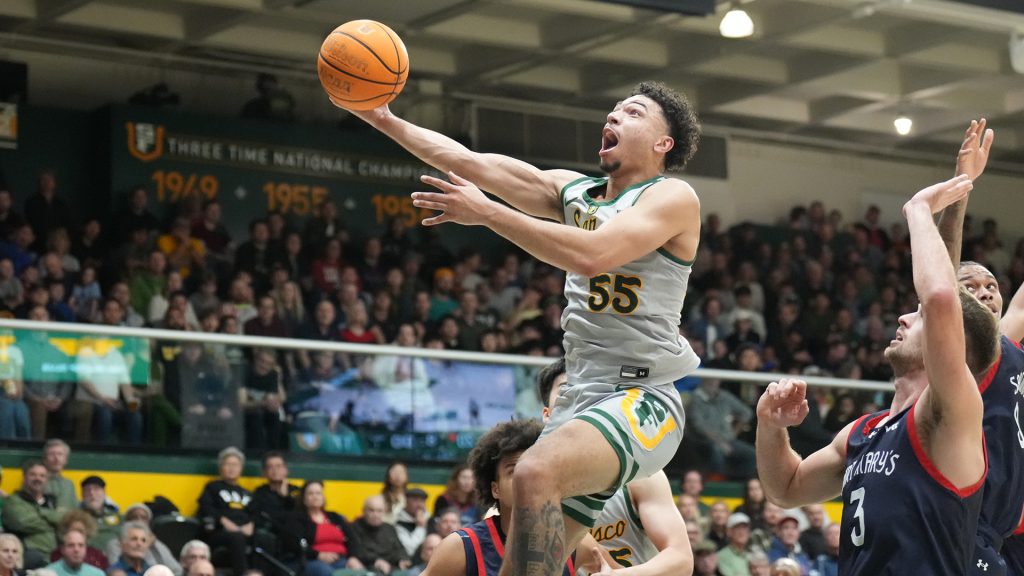
Under current rules, student-athletes who wager on their own games or give insider information risk having their NCAA eligibility permanently revoked until they are reinstated by an NCAA member school. In these situations, the Committee on Infractions does not impose sanctions; instead, it verifies that the violations took place and validates the settlement that was arranged with the institution.
NCAA reverses plan to allow betting on professional sports
The case comes just weeks after the NCAA reversed a controversial proposal that would have allowed student-athletes and athletics department staff to bet legally on professional sports. After a mandatory 30-day review period, more than two-thirds of Division I schools voted to overturn the change, keeping the betting ban intact across Divisions I, II and III.
The original rule, approved on 22 October, was scheduled to take effect on 1 November before being delayed to 22 November. However, member schools used a seldom-used challenge procedure that eventually rendered the change invalid because it was unable to obtain the necessary 75 percent approval within Division I governance.
Integrity concerns driving policy decisions
The rollback reflects growing unease over gambling scandals across US sports. In October, a major law enforcement operation resulted in arrests involving an NBA coach and player, including Miami’s Terry Rozier and Portland coach Chauncey Billups, tied to alleged illegal betting and poker activities.
Baseball has faced similar turmoil. Cleveland Guardians pitchers Emmanuel Clase and Luis Ortiz were indicted in a betting investigation, prompting renewed debate over oversight and athlete vulnerability.
College sports have been hit particularly hard. The NCAA recently revoked the eligibility of six men’s basketball players for betting violations, and former Temple guard Hysier Miller was sanctioned for placing dozens of wagers on his own team’s games. At least a dozen additional NCAA betting cases remain under active review nationwide.
Athletics directors and compliance officials have repeatedly warned that loosening restrictions could expose student-athletes to match-fixing risks, manipulation, and misuse of sensitive information, concerns sharply underscored by the Williams case.
SEC opposition tipped the balance
The Southeastern Conference (SEC) played a decisive role in scrapping the short-lived betting reform. Commissioner Greg Sankey urged the NCAA to preserve long-standing guardrails, arguing that the proposal risked eroding the integrity of college competitions.
“If there are legal or practical concerns about the prior policy, those should be addressed through careful refinement — not through wholesale removal of the guardrails,” Sankey wrote to NCAA President Charlie Baker.
SEC presidents and chancellors unanimously opposed the change, calling it “a major step in the wrong direction.”
Modern landscape acknowledged, but ban remains
When first approved, the NCAA said the policy update was meant to reflect the realities of widespread legal sports betting. More than 100,000 coaches, athletes, and administrators have undergone responsible gambling training with EPIC Global Solutions, and the NCAA Sport Science Institute continues to expand mental-health and anti-addiction guidance.
Supporters argued that regulated professional-sports wagering could reduce stigma and increase transparency. But the decisive vote shows that, for now, institutions believe that strict separation from the gambling industry remains essential.
Stay ahead of iGaming’s biggest stories with SiGMA’s Top 10 News countdown. The world’s biggest iGaming community brings you weekly insights and subscriber-only offers. Join HERE today.


