


The UFC has scrapped a lightweight contest between Alexander Hernandez and Michael Johnson at UFC 324 after its betting integrity monitors flagged suspicious wagering patterns on the bout. The fight was removed from Saturday’s card at Las Vegas’ T‑Mobile Arena only hours before the event was due to get underway, with no immediate explanation given to fans or broadcasters.
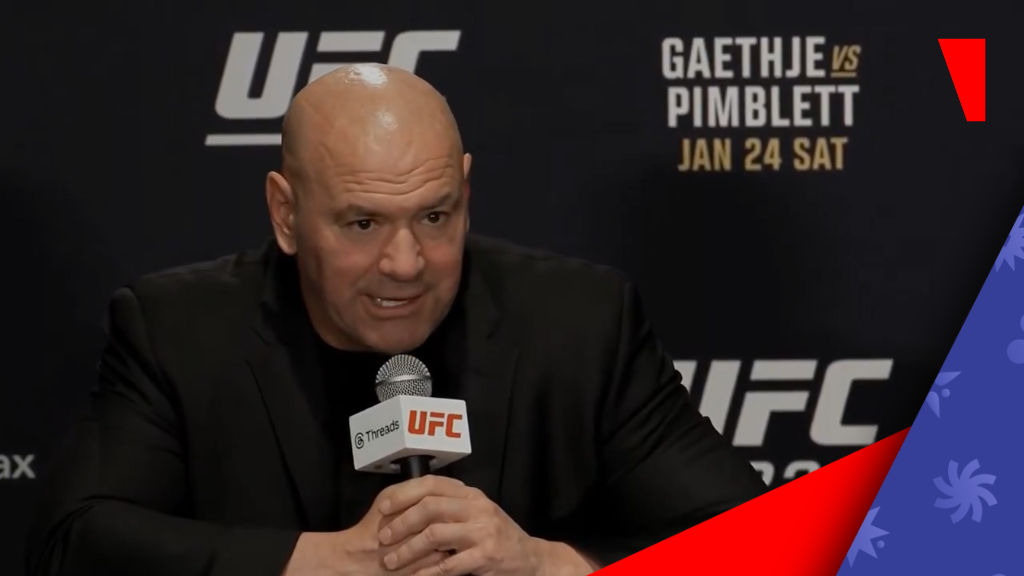
Speaking at his post‑fight news conference, UFC chief executive Dana White confirmed that irregular betting activity triggered the late cancellation. “It happened again,” White said. “We got called from the gaming integrity service, and I said, ‘I’m not doing this s*** again.’ So we pulled the fight.” He did not specify whether any particular fighter, camp or market was under suspicion, or whether either athlete had been stood down pending further enquiries.
Integrity alert comes amid wider FBI probe
White suggested the Hernandez–Johnson case is unlikely to be treated in isolation, pointing instead to a broader federal investigation already underway. Asked whether the incident would trigger its own probe, he said the FBI was “already deep into this stuff anyway” and added, “I’m sure this one will be next.”
The comments indicate the alert will likely be folded into an existing inquiry rather than handled as a separate matter.
The UFC has been working alongside the FBI and betting integrity firm Integrity Compliance 360 (IC360) since an earlier controversy involving featherweights Isaac Dulgarian and Yadier del Valle.
Ahead of that bout, IC360 flagged unusual betting patterns, including sharp line movement and heavy action on underdog del Valle to win in the first round.
Despite the warning, the fight went ahead. Dulgarian, who had opened as a strong favourite, went on to lose by first round submission, a result that quickly drew attention from regulators and sportsbooks.
Dulgarian was later released by the promotion. White has since said he met with FBI officials on two occasions as part of efforts to better understand what took place.
UFC under pressure after earlier criticism
The Hernandez–Johnson cancellation comes less than three months after the Dulgarian–del Valle controversy, sharpening focus on how the UFC manages betting risk on its events. In November’s case, the organisation was criticised for allowing the fight to proceed after integrity monitors and bookmakers flagged the market as unusual.
By contrast, White’s decision to act on the latest alert before the fighters made the walk signals a more conservative approach to perceived integrity threats.
Integrity Compliance 360 works with the UFC and major operators to monitor lines, volumes and patterns across global sportsbooks, flagging anything that appears inconsistent with normal market behaviour. Sportsbooks reportedly limited betting on Hernandez vs Johnson before the cancellation, which is typically a sign that traders have seen enough risk to protect their books.
For licensed betting operators, being able to demonstrate that these alerts are escalated and acted upon is increasingly important as regulators tighten expectations around suspicious betting reporting.
White reiterates tough stance on fixing
White has repeatedly framed match fixing as an existential issue for the promotion and its betting partners. In an earlier interview discussing the Dulgarian investigation, he warned: “If you try to do this (match fixing for financial gain), we will be your worst enemy. We will immediately go after you, guns ablazing with the FBI and anyone else we need to get to make sure you go to prison.”
His latest comments at UFC 324 suggest the promotion now intends to err on the side of cancellation when third‑party integrity alerts are raised.
The UFC has already weathered one major integrity scandal around former fighter and coach James Krause, whose licence was suspended in 2022 after a bout involving his athlete Darrick Minner was flagged for suspicious betting activity.
Fighters who chose to continue training under Krause were told they would not be permitted to compete in the promotion while investigations were ongoing, demonstrating how seriously the company says it treats perceived threats to betting integrity.
For now, the Hernandez–Johnson case sits alongside earlier incidents, reinforcing questions around how betting warnings are assessed and acted on in real time.
Join the world’s biggest iGaming community with SiGMA’s Top 10 News countdown. Subscribe HERE for weekly updates, insider insights, and exclusive subscriber-only offers.


