

US Congressman pushes insider trading ban after Venezuela bet

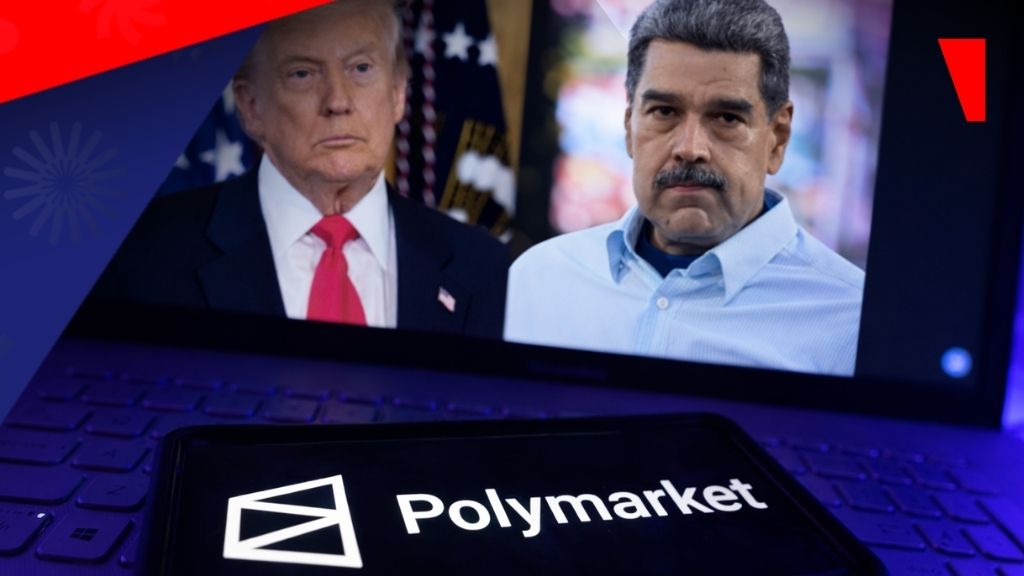
A senior US congressman is drafting legislation aimed at preventing government officials from profiting from confidential information on prediction market platforms, following a controversial high-stakes trade linked to events in Venezuela.
Representative Ritchie Torres, a Democrat from New York, has announced his plan to introduce the Public Integrity in Financial Prediction Markets Act of 2026. This legislation aims to ban insider trading regulations, initially designed for traditional financial markets, to political and policy prediction contracts. As the US midterm elections approach, this bill could garner broad support from Democrats.
Prediction markets allow users to bet on the likelihood of future events, ranging from election outcomes to geopolitical developments. While proponents argue they can provide valuable forecasting signals, critics say they are vulnerable to abuse when participants have access to non-public information.
Insider trading during Venezuela attack?
The debate has erupted again after reports emerged of a suspicious trade on Polymarket, one of the largest US-facing prediction platforms. In late December 2025, a newly created account placed bets worth more than $32,000 predicting that Venezuelan President Nicolás Maduro would be removed from power before 31 January 2026.
At the time, the outcome was considered highly unlikely. Polymarket priced the probability of Maduro’s removal at just five percent, while rival platform Kalshi placed the odds at around seven percent. Despite the low expectations, the trader’s position proved strikingly accurate.
On 3 January 2026, US forces carried out a military operation in Venezuela, known as Operation Absolute Resolve. According to US officials, the operation involved air and ground forces and resulted in the capture of President Maduro and his wife, Cilia Flores. Both were transferred to New York to face US charges related to drug trafficking and alleged narco-terrorism. Maduro later appeared in a New York court, where he pleaded not guilty and insisted he remained Venezuela’s legitimate president.
Following news of the operation, the Polymarket contract settled quickly. The trader behind the account earned more than $436,000, representing a return of over 1,200 percent in less than a week. Several of the bets were reportedly placed within 24 hours of the arrest, further fueling questions about timing and access to information. Some believe most of the bets were placed by government officials only.
Criticism of platforms continues
Torres’ proposed legislation would ban members of Congress, political appointees, and executive branch employees from buying, selling, or exchanging prediction market contracts tied to political outcomes, government action, or public policy if they have access to confidential information through their official roles.
The restrictions would apply to platforms operating in interstate commerce, including Polymarket, and would mirror existing insider trading standards used in stock and derivatives markets. Supporters of the bill argue that without clear rules, prediction markets risk undermining public trust and incentivising the misuse of sensitive government intelligence. Torres has warned that these platforms could otherwise become tools to exploit policy decisions rather than neutral forecasting mechanisms.
The proposal will also be one of the most serious attempts yet to regulate prediction markets in the United States, as their influence, financial stakes, and rift with traditional betting platforms continue to grow.
Be part of the action! Join the world’s biggest iGaming community with SiGMA’s Top 10 News countdown. Subscribe HERE for weekly updates, insider insights, and exclusive subscriber-only offers.


