


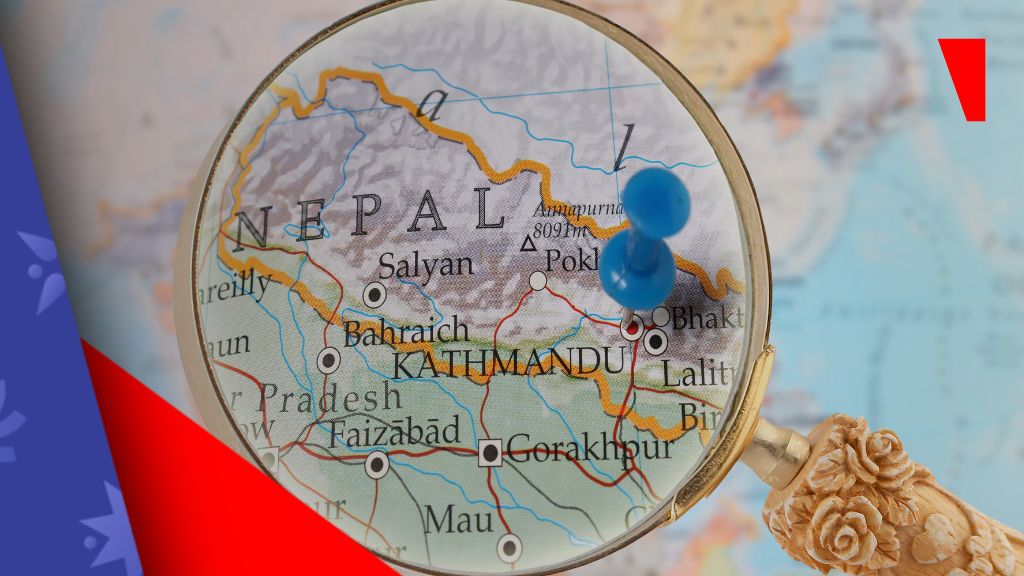
Nepal is fast emerging as a regional gaming and casino tourism hotspot, driven by rising digital penetration, supportive hospitality infrastructure, and new government regulations aimed at streamlining the industry. Located strategically between India and China, Nepal has long been a tourist magnet for its natural beauty and heritage. Now, the country is also gaining traction as a land-based and online gambling market, despite regulatory grey areas in internet-based betting.
Growing market with high potential
Nepal’s gambling market is expanding at an estimated compound annual growth rate (CAGR) of 10.7 percent between 2020 and 2026, according to a report by iGamingToday. The growth is fuelled by increased internet access, smartphone use, and digital payment options, as well as rising disposable incomes. Both land-based casinos and online gambling platforms are contributing to this momentum.
While the land-based casino industry is legally regulated and targeted solely at foreign tourists, online gambling remains largely unregulated. Thousands of Nepali users actively participate in offshore gambling websites. However, the lack of official data makes it difficult to quantify the full market value.
The land-based casino sector has seen parallel growth alongside the tourism and hospitality industries. Most casinos operate out of hotels and resorts in key tourism zones, catering primarily to international visitors. The online sector, operating without local regulation, continues to attract younger Nepali users through mobile platforms.
Who is playing?
In Nepal, most internet gamblers are younger than 35. Due to easily accessible cellphones, reasonably priced data, and user-friendly online payment methods, a sizable percentage of users are in the 18–30 age range. Although men still dominate the gaming industry, women are gradually making their way in, especially through online platforms that provide greater ease and privacy.
Younger players prefer interactive and quick formats such as slots, esports, and fantasy sports. More traditional games like poker and roulette attract older users. Sports betting is popular across all age groups, with football and cricket emerging as clear favourites.
Because of the physical presence of casinos and easier access to the internet, gambling activity is still most prevalent in urban regions. The difference is narrowing, though, as digital payment systems and mobile networks penetrate to rural areas, making it possible for many people to participate in online betting and lotteries.
Regulatory reforms aim for transparency
Nepal’s government has taken key steps to strengthen the legal framework around gambling, especially in the land-based casino segment.
Anti-Money Laundering Directive (2025)
The Department of Tourism issued a directive in 2025 to prevent financial crimes in casinos. Known as the “Directive on Anti-Money Laundering and Combating Financing of Terrorism Related to Casino Operators,” it mandates casinos to report any individual spending NPR 1 million (approximately $7,265) or more in a single day. The directive applies to casino operators only and excludes banks and financial institutions.
John Calderon, an iGaming consultant, explained to SiGMA News that smaller casinos would face real challenges adapting to the new regulations.
“It’s a hard pill to swallow for casino operators due to additional costs and operational changes, but this new rule will create transparency and help the country prevent money laundering, and will enhance the integrity of Nepal’s gambling industry and bring it in line with international standards,” Calderon said.
While Advocate Ramesh Ghimire shared different view on the same with SiGMA News, “The NPR 1 million threshold seems reasonable, considering the average transaction value in casinos. This threshold will help identify and report suspicious transactions, potentially preventing money laundering.”
Casino Regulation 2080 BS
The older 2013 framework has been replaced with the Casino Regulation 2080 BS to improve operational transparency. The new rules require:
- Minimum paid-up capital of NPR 300 million for large casinos and NPR 200 million for smaller ones
- Mandatory 24/7 CCTV surveillance, biometric entry systems, and strict Know Your Customer (KYC) and Anti-Money Laundering (AML) compliance
- One casino licence per company and per hotel or resort, regardless of how many buildings it owns
- Casinos must be located within 5 km of border areas, subject to strict security clearances
- A mandatory two percent of net profits to be allocated to corporate social responsibility (CSR) projects in education, health, tourism, and environment sectors.
Ghimire said, “Higher capital requirements may lead to consolidation in the industry, favoring larger, more financially stable operators. Small casinos might struggle to meet the new capital requirements of NPR 200 million for small casinos and NPR 300 million for larger casinos. Two or more weak casino can form a strong casino that leads perpetual succession of the business.”
“The Casino Regulation 2080 BS and the 2025 AML Directive together represent a strong regulatory push toward formalisation, transparency, and alignment with global standards. These reforms, while increasing operational burdens, will likely improve the long-term credibility, investment potential, and integrity of Nepal’s casino industry,” Ghimire added.
Market structure and competition
The land-based casino sector in Nepal is relatively consolidated, with a small number of operators managing most of the licenced properties. The latest regulations, which limit each operator to a single casino licence, are expected to reinforce this structure and prevent market saturation.
On the other hand, offshore businesses dominate the fragmented internet gaming market. There is no official market share data for digital gaming businesses because there is no local legislation. Nevertheless, venture capital organisations and IT investors are showing interest in the category, which is seeing substantial user traffic, particularly from younger demographics.
Technologies such as artificial intelligence (AI) and virtual reality (VR) are also being explored by startups and international firms to enhance the user experience and gain market advantage.


