


Canada’s iGaming coalition pushes for market liberalisation

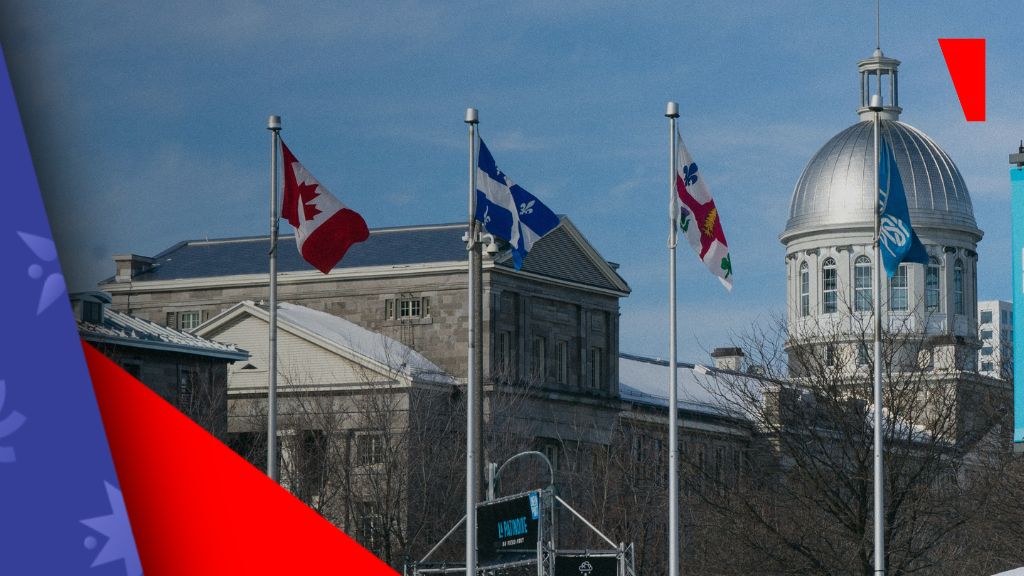
The Québec Online Gaming Coalition (QOGC), a group of leading operators and iGaming stakeholders, is urging the provincial government to open Québec’s market to commercial brands, challenging the monopoly currently held by Loto-Québec.
Loto-Québec’s monopoly
Founded in 1969, Loto-Québec is the crown corporation overseeing lotteries, casinos, gaming halls, bingo parlours, video lottery terminals, and online gambling. It also represents Québec in the Interprovincial Lottery Corporation, which manages national lottery games.
Despite reporting CAD 1.53 billion in revenue between April and September 2025—an 18% year-on-year increase—critics argue the corporation remains heavily focused on land-based gaming. Online gaming, by contrast, saw only a modest 17 percent growth compared to the previous year.
QOGC’s case for reform
QOGC estimates Québec loses roughly CAD 300 million ($220 million) annually in tax revenues due to the absence of a modern regulatory framework. More than 2,000 unregulated websites currently offer casino, sports betting, and poker to Québec residents, undermining Loto-Québec’s monopoly in practice.
Researchers and public health experts have echoed calls for reform, warning that unregulated platforms expose vulnerable populations to greater risks, as reported by several media outlets.
Coalition spokesperson Ariane Gauthier challenged Loto-Québec’s growth narrative, arguing that once inflation is factored in, the corporation’s performance is actually declining. She stressed that restricting online gaming to Loto-Québec ignores consumer demand and the wider market reality.
A recent survey by the Coalition Québécoise du Jeu en Ligne found that two-thirds of Quebecers support regulating private operators through a tax and licensing system. Moreover, 73 percent of residents already choose private platforms for online gaming and sports betting.
Why doesn't Quebec impose the same rules on @LotoQuebec and private online gaming platforms? This would channel the vast majority of online gaming into a stable environment regulated according to Quebec standards in terms of advertising, age verification and accountability, for…
— Coalition québécoise du jeu en ligne (@Coalitionjeu) February 10, 2026
Industry players and market trends
QOGC members include major international and domestic operators such as DraftKings, Flutter (FanDuel), Entain (BetMGM, Sports Interaction), Betway, Rush Street Interactive (BetRivers), Bet99, Games Global, and Apricot Investments.
Many of these brands already operate in Ontario’s regulated iGaming market and are eyeing Alberta, which is set to launch its own framework later this year. Ontario alone generated over CAD 1.4 billion ($1.03 billion) in its first year, delivering hundreds of millions in tax revenue.
FanDuel, BetRivers, Betway, and Games Global have already confirmed interest in Alberta, with revenue potential forecast in the hundreds of millions—mirroring Ontario’s success. Alberta’s move signals momentum toward broader Canadian adoption of commercial iGaming.
Currently, Ontario remains the only province with a fully commercial market, while others—including Québec—restrict online gaming to government-run platforms.
Recommendations for Québec
Drawing on Ontario and Alberta’s experiences, QOGC has outlined four key recommendations in their latest statement for the Québec government. Firstly, it should establish an independent regulatory body to oversee iGaming, including Loto-Québec.
Next, it should develop unified standards for both private and public operators, ensuring stakeholder participation. Furthermore, it should define clear licensing criteria and implement a revenue-sharing agreement with the provincial government. Lastly, it should allocate a portion of private iGaming revenues to support Québec communities and fund responsible gaming initiatives.
Stay in the loop and join the biggest iGaming Community in the world with SiGMA’s Top 10 news countdown. Subscribe HERE for weekly updates from the world’s iGaming authority and exclusive subscriber-only offers.


