


CFTC issues no-action letters to prediction market platforms

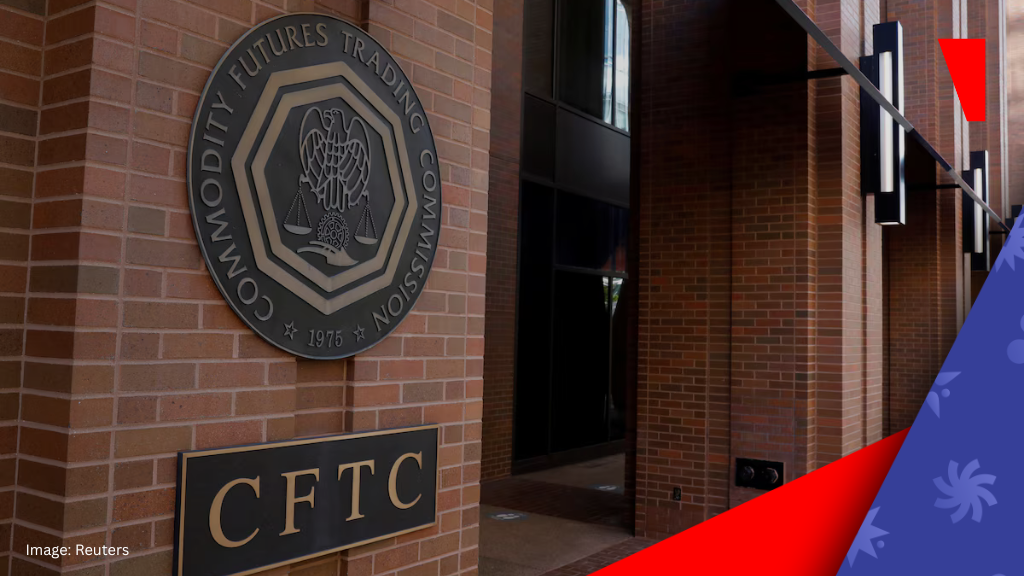
The US Commodity Futures Trading Commission has issued no-action letters to four prediction market platforms, offering narrowly defined relief around how trade data is reported and stored.
The platforms covered are Polymarket US, LedgerX, PredictIt and Gemini Titan. For now, the CFTC have said they will not take action against these companies for specific gaps in how trade data is reported, provided certain conditions are met.
That does not mean the rules have changed. They simply function to give the platforms more time to bring parts of their reporting systems into line with existing requirements.
This is the second time in recent months that the CFTC has taken this approach. In September, similar relief was granted to QCX LLC, which Polymarket later acquired as part of its re-entry into the US market.
What the relief actually covers
The December letters relate specifically to Parts 43 and 45 of the CFTC’s regulations. These rules govern how trade data is reported to regulators and how long records must be retained.
They were written with traditional markets in mind, so applying them to event-based contracts has proven more complex, particularly for platforms that have grown quickly.
Under the terms of the no-action letters, the four platforms must continue to fully collateralise all contracts. Every open position must be backed so that payouts can be met in full.
They must also maintain detailed internal records covering execution, pricing and settlement. The CFTC retains the right to withdraw the relief at any time, and the letters do not apply to any other regulatory obligations.
In practical terms, the decision gives firms more time to align their systems with reporting requirements that were not originally designed for prediction markets.
Why prediction markets sit with the CFTC
Prediction markets in the US are overseen at federal level because they are regulated as derivatives, not as gambling products. That places them under the CFTC rather than state gambling authorities.
The distinction has allowed prediction markets to operate nationwide in ways that sportsbooks cannot. It has also drawn scrutiny, particularly when political events or economic data releases drive high trading volumes.
Growth has outpaced infrastructure
The timing of the no-action letters reflects how quickly the sector has scaled. Platforms such as Kalshi and Polymarket have seen sharp increases in activity during major news cycles, putting pressure on systems built for a much smaller market.
Gemini Titan’s recent approval as a designated contract market marked the exchange’s formal entry into prediction markets after a long application process. LedgerX, now operating under MIAX ownership, has also continued to develop its offering following regulatory restructuring.
As more firms enter the space, accurate reporting becomes more important. The CFTC relies on trade data to monitor market behaviour, risk exposure and compliance with federal rules.
A pause, not a policy shift
The CFTC has avoided presenting the move as anything more than a short-term adjustment. The relief does not change underlying standards, and platforms are still expected to meet full reporting requirements over time.
Some flexibility is being shown while systems catch up, but expectations around collateral, records and transparency have not changed. Innovation is being accommodated where reporting infrastructure is still developing, without altering the standards platforms are ultimately required to meet.
As prediction markets continue to attract interest from financial and crypto firms, regulation is likely to evolve in small, deliberate steps. The latest no-action letters show a regulator managing growth cautiously, without stepping away from oversight.
While the relief is technical in scope, it arrives at a moment when prediction markets are drawing more attention from regulators, lawmakers and competitors alike. How consistently platforms meet their reporting obligations is likely to shape how much regulatory flexibility remains available in future.
Join the world’s biggest iGaming community with SiGMA’s Top 10 News countdown. Subscribe HERE for weekly updates, insider insights, and exclusive subscriber-only offers.


